
Most people only think about their toenails when it is time to trim them. Yet your nails can offer useful clues about your health, including how well blood reaches your feet. Changes in color, thickness, or growth speed sometimes point to poor circulation, especially peripheral artery disease.
Of course, not every nail change signals a blood flow problem. Fungus, injury, and aging cause many of them. Still, knowing which signs deserve attention can help you catch a circulation problem early, when treatment works best.
How Blood Flow Affects Your Toenails
Your toenails grow from a small area of living tissue at the base of each nail, called the nail matrix. Like any living tissue, the matrix needs a steady supply of oxygen and nutrients from the blood.
When arteries in the legs narrow, less blood reaches the toes. The nail matrix then receives fewer resources. As a result, nails may grow more slowly, become thick or brittle, or change color. The skin around the nails may change too.
Peripheral artery disease, or PAD, is the most common cause of reduced blood flow to the feet. It develops when plaque builds up inside the arteries. PAD often goes unnoticed for years, so small changes in the feet can be some of the first visible signs.
Slow Growing Toenails
Healthy toenails grow slowly to begin with. They typically take many months to grow out completely. However, if you notice that you rarely need to trim your toenails anymore, reduced blood flow may be one reason.
Slow growth on its own does not confirm a problem. Nails naturally grow more slowly with age. Even so, slow growth combined with other signs, such as cold feet or leg pain when walking, deserves a closer look.
Thick, Brittle, or Misshapen Nails
Thick toenails are common in people with PAD. Poor blood flow can change how the nail forms, leading to nails that look heavy, ridged, or curved. They may also crack or split easily.
Thickened nails can be uncomfortable. They may press against shoes and cause sore spots. For people with poor circulation, even small sores on the toes can heal slowly and become infected.
Fungal infections also cause thick, yellow, crumbly nails. In fact, people with PAD and diabetes have a higher risk of nail fungus, partly because reduced blood flow weakens local defenses. For this reason, a thick nail could reflect fungus, poor circulation, or both.
Color Changes in the Nail Bed
The pink color under your toenails comes from blood flowing through tiny vessels in the nail bed. Changes in that color can offer clues about circulation.
Pale or white nail beds may suggest reduced blood flow. Anemia can also cause this change.
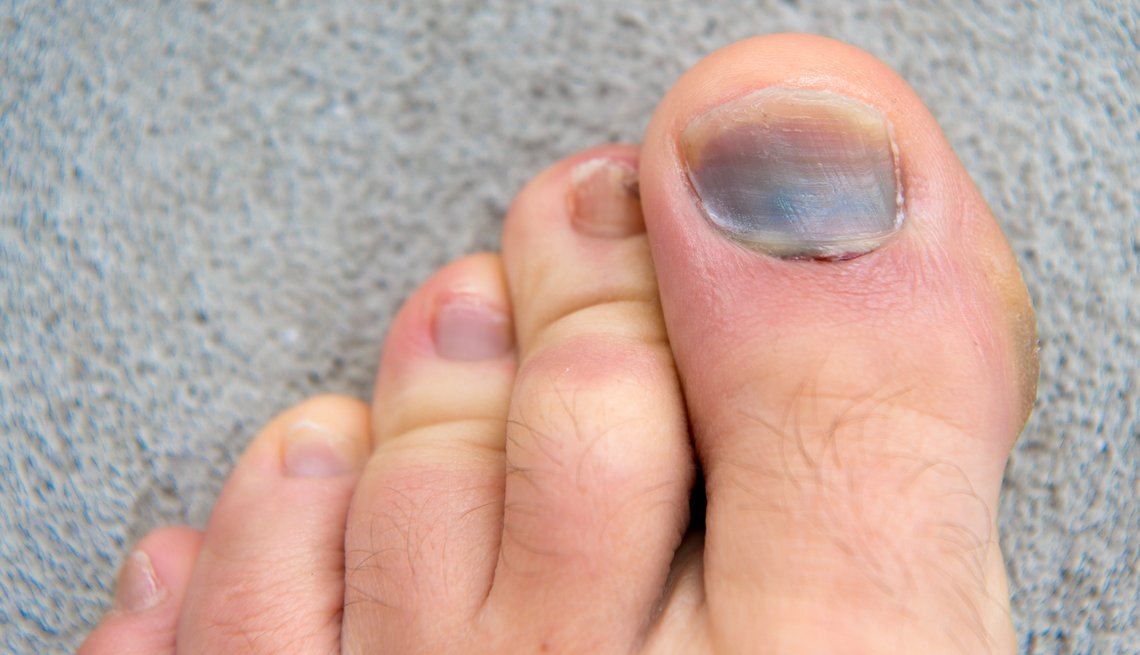
Blue or purple nail beds can mean the tissue is not getting enough oxygen. Cold exposure often causes this briefly. Persistent blue color, especially with cold skin, needs medical attention.
Dark spots or streaks under a nail are most often caused by injury, such as a stubbed toe or tight shoes. However, a dark streak that grows or appears without injury should be checked, since a rare type of skin cancer can develop under the nail.
A Simple Circulation Check at Home
You can try a quick test called capillary refill. Press firmly on a toenail for a few seconds until the nail bed turns white. Then let go and watch how fast the pink color returns.
In healthy feet, color usually returns within about two seconds. A slower return may suggest reduced blood flow. Warm your feet first, since cold temperatures can slow refill in anyone.
This test is not a diagnosis. It is simply one clue you can share with your doctor. A proper vascular exam gives a much clearer picture.
Other Foot Signs That Often Appear With Nail Changes
Toenail changes rarely appear alone when circulation is poor. Look for these related signs:
- Thin, shiny skin on the feet or lower legs
- Loss of hair on the toes, feet, or shins
- One foot that feels colder than the other
- Weak or hard to find pulses in the feet
- Sores on the toes or feet that heal slowly
- Leg pain or cramping with walking that eases with rest
When several of these signs show up together, the chance of PAD rises. People who smoke, have diabetes, have high blood pressure or high cholesterol, or are over 65 face the greatest risk.
Toenail Changes and Diabetes
Diabetes deserves special attention when it comes to toenails. High blood sugar can damage both blood vessels and nerves over time. Many people with diabetes develop PAD, and many also lose some feeling in their feet.
This combination makes nail problems riskier. A thick nail may press into the skin without causing pain. An ingrown nail may become infected before you notice it. Because blood flow is reduced, the infection may also heal slowly.
Fungal nail infections are more common in people with diabetes, too. The fungus can cause cracks in the skin around the nail, which let bacteria in.
For these reasons, people with diabetes should check their feet every day. Most also benefit from a yearly foot exam that includes a pulse check. If your nails are thick or hard to trim, a podiatrist can care for them safely.
Nail Changes That Usually Point to Other Causes
Many nail changes have nothing to do with blood flow. Common examples include:
- Nail fungus, which causes yellow, thick, crumbly nails
- Injury, which can cause bruising under the nail or a nail that lifts off
- Psoriasis, which may cause pitting, discoloration, or nail separation
- Ingrown nails, often linked to nail shape or trimming habits
- Aging, which can make nails thicker and slower to grow
Because these conditions can look like circulation problems, a professional exam is the best way to know for sure.
How Doctors Check Circulation in the Feet
A vascular specialist starts by examining your feet, checking your pulses, and asking about symptoms. Next comes simple testing.
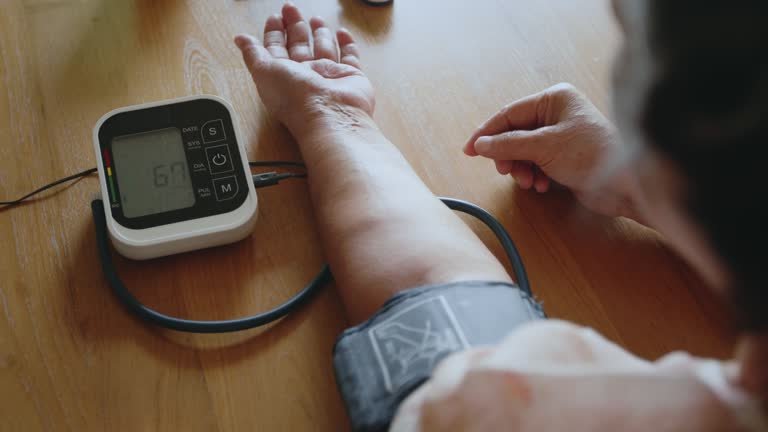
The ankle brachial index, or ABI, compares blood pressure at your ankle with blood pressure in your arm. A lower ankle reading suggests narrowed arteries. Some patients also have a toe pressure test, which works better when the leg arteries are stiff, as often happens with diabetes. A duplex ultrasound can show exactly where blood flow slows down.
All of these tests are quick and painless. They help your doctor decide whether your nail changes reflect a circulation problem and what to do next.
Caring for Your Toenails When Circulation Is Poor
If you have PAD or diabetes, careful nail care helps prevent injuries:
- Trim nails straight across and smooth sharp edges with a file
- Avoid cutting cuticles or digging into the corners of the nail
- Wear shoes with a wide toe area and soft socks
- Check your feet daily for cuts, cracks, or color changes
- Keep feet clean and dry, especially between the toes
- See a podiatrist for thick nails that are hard to trim safely
Never treat a wound on your foot on your own if you have poor circulation. Small injuries can become serious quickly.
When to See a Doctor About Your Toenails
Some nail changes can wait for a routine visit. Others need prompt care. Make an appointment soon if you notice:
- A dark streak or spot under a nail that you cannot link to an injury
- A nail that suddenly changes color along with cold or pale toes
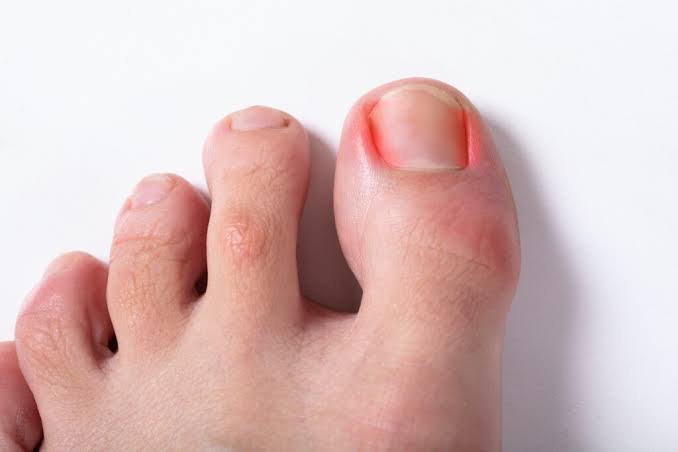
- Redness, warmth, pus, or swelling around a nail
- A sore near a nail that does not heal within two weeks
- Toes that look blue or black
Seek emergency care if a foot suddenly turns cold, pale, numb, and painful. This can signal a sudden blockage in an artery and needs treatment right away.
If you have diabetes or known PAD, do not wait on any new wound. Quick care often prevents a small problem from becoming a serious one.
Your Toenails Can Be an Early Warning
Your toenails do more than protect your toes. Slow growth, thickening, and color changes can reflect what is happening in the arteries that feed your feet. On their own, these changes may mean little. Combined with cold feet, leg pain, or slow healing sores, they deserve attention.If your feet show several of these signs, schedule a vascular evaluation. Simple tests can confirm whether blood flow is reduced. Early treatment of PAD protects your feet, your mobility, and your heart health for years to come.




One Response