Nearly everyone gets swollen ankles now and then. A long flight, a hot day, or hours on your feet can leave your socks leaving marks on your skin. Most of the time, the swelling fades overnight.
Sometimes, though, swollen ankles point to a problem with your circulation. The pattern of swelling offers useful clues. This guide explains the common causes, the signs that suggest a circulation problem, and when to call a doctor.
Why Ankles Swell
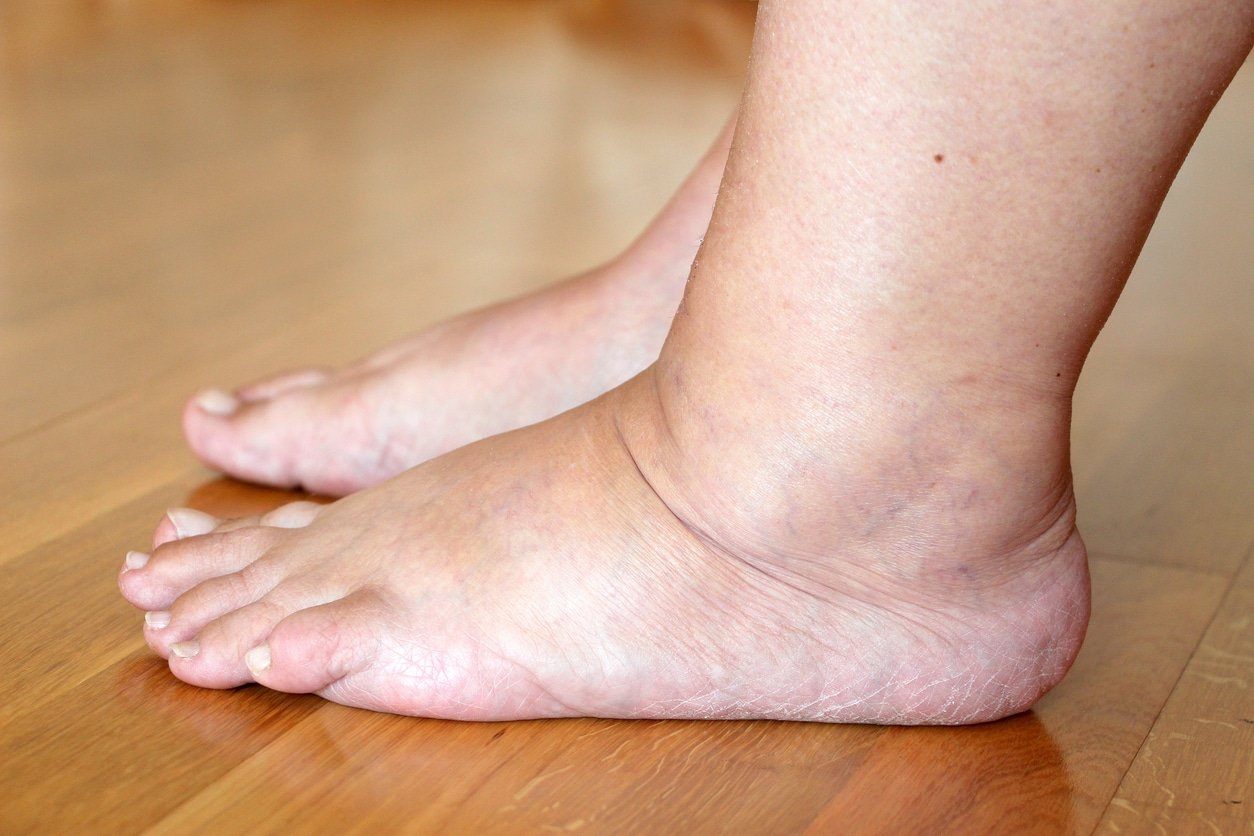
Swelling, which doctors call edema, happens when fluid leaks out of small blood vessels into nearby tissue. Gravity pulls that fluid downward, so it collects in the lowest part of the body. For most people, that means the ankles and feet.
Fluid leaks for several reasons. Pressure inside the veins may rise. The vessel walls may become leaky. The lymph system, which drains extra fluid, may stop working well. Low protein levels in the blood can also play a role.
Everyday Causes That Are Not Serious
Many cases have a simple explanation:
- Standing or sitting too long: Blood pools in the legs when the calf muscles stay still.
- Hot weather: Heat widens blood vessels and slows fluid return.
- Salty meals: Extra sodium makes your body hold water.
- Long travel: Hours in a cramped seat reduce circulation.
- Pregnancy: Blood volume rises, and the uterus presses on pelvic veins.
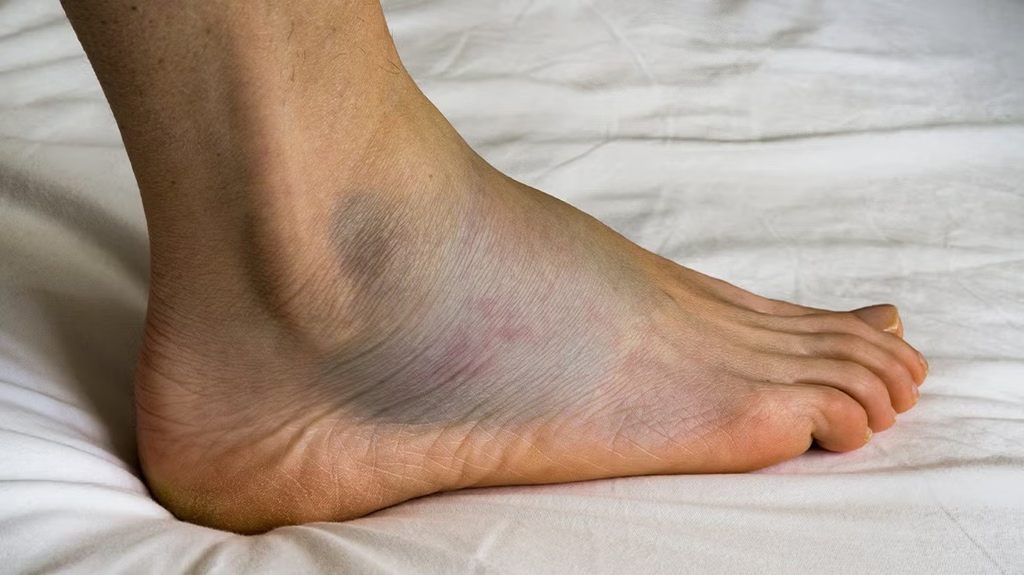
- Minor injury: A sprain causes local swelling.
This kind of swelling usually affects both ankles equally. It improves overnight and after you raise your legs. If that describes your pattern, simple steps may be all you need.
Signs That Point to a Circulation Problem
Certain features suggest the swelling comes from your veins, your heart, or your lymph system.
Chronic Venous Insufficiency
This is the most common circulatory cause of ankle swelling. Valves in the leg veins weaken, so blood pools in the lower legs.
Typical signs include:
- Swelling that worsens through the day and improves overnight
- Aching, heavy, or tired legs
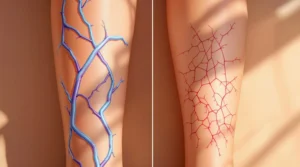
- Visible varicose or spider veins
- Itching near the ankle
- Skin that turns brown or reddish over time
- Skin that thickens and feels firm
- Open sores near the inner ankle in advanced cases
Both legs may swell, though one is often worse. The skin changes set this apart from ordinary swelling.
Blood Clot in a Leg Vein
A deep vein thrombosis (DVT) usually causes swelling in one leg. Other signs include calf pain or tenderness, warmth, and skin that looks red or darker than usual. The swelling often appears over hours or a day rather than gradually.
A DVT needs same day medical care. A piece of the clot can travel to the lungs.
Heart Failure
When the heart pumps less effectively, fluid backs up into the legs. Swelling usually affects both legs and may creep up to the shins and thighs.
Other clues include shortness of breath, especially when lying flat, waking at night short of breath, rapid weight gain over days, and fatigue. This pattern needs prompt evaluation.
Lymphedema
The lymph system drains fluid from tissues. When it fails, fluid builds up and the swelling feels firm rather than soft.
Lymphedema often involves the toes and the top of the foot. The skin may thicken over time. Cancer treatment, surgery, radiation, and infection are common triggers.
Noncirculatory Causes to Consider
Not every case involves blood flow. Other causes include:
- Kidney disease: The body retains salt and water.
- Liver disease: Low protein in the blood lets fluid escape.
- Thyroid problems: An underactive thyroid can cause swelling.
- Medicines: Some blood pressure drugs, steroids, hormones, and anti inflammatory medicines cause fluid retention.
- Infection: Cellulitis causes a red, warm, painful, swollen area.
Never stop a prescribed medicine on your own. Ask your doctor whether a switch makes sense.
One Ankle or Both?
The pattern narrows the list quickly.
Swelling in one ankle often suggests a local cause. Think of a blood clot, an injury, an infection, or lymphedema on that side.
Swelling in both ankles more often points to a body wide cause. Think of vein disease, heart failure, kidney or liver disease, or a medicine side effect.
This rule is a guide, not a diagnosis. Vein disease can affect one leg more than the other.
When to Call a Doctor
Make an appointment if you notice:
- Swelling that lasts more than a few days
- Swelling that does not improve overnight
- Skin color changes or thickening near the ankle
- An open sore that will not heal
- Swelling in one leg only
- Swelling that comes with leg pain
Seek emergency care right away if you have:
- Sudden swelling in one leg with pain, warmth, or redness
- Shortness of breath or chest pain
- A rapid heartbeat or lightheadedness
- A red, hot, painful leg with fever

How to Track Your Swelling at Home
A simple record helps your doctor far more than a general description. Over one week, note the following:
- How your ankles look first thing in the morning
- How they look at bedtime
- Whether one side looks worse than the other
- Your weight each morning on the same scale
- Any shortness of breath or new fatigue
- How much salt you ate that day
Press a thumb into the swollen area for about ten seconds, then release. A dent that stays is called pitting. Tell your doctor whether your swelling pits.
Photograph your ankles in the same light and from the same angle. Swelling that builds slowly is hard to judge from memory.
Bring your notes and photos to the appointment. A week of records tells your doctor more than a single exam does.
Sudden weight gain of three pounds in a day, or five pounds in a week, deserves a prompt call. That pattern often means your body is holding fluid.
How Doctors Find the Cause
Your doctor will ask when the swelling started, whether it changes during the day, and what medicines you take. Next, they will examine your legs and press on the skin to see whether it pits.
Common tests include:
- Duplex ultrasound: Checks for clots and leaky vein valves.
- Blood tests: Assess kidney, liver, thyroid, and heart function.
- Echocardiogram: Shows how well the heart pumps.
- Ankle brachial index: Checks artery flow before compression therapy.
- Urine tests: Look for protein loss from the kidneys.
Treatment and Self Care
Treatment depends on the cause. Your doctor will address the underlying problem first.
For vein related swelling, these steps help most people:
- Raise your legs above heart level for 15 to 30 minutes, several times a day.
- Wear compression stockings prescribed at the right pressure.
- Walk daily to activate your calf muscle pump.
- Flex your ankles often if you sit or stand for long periods.
- Reduce the salt in your diet.
- Keep a healthy weight.
- Moisturize the skin to prevent cracks.
Your doctor may recommend a vein procedure if reflux drives the swelling. Options include ablation and sclerotherapy. Heart, kidney, or liver causes need treatment aimed at that organ.
Swelling in Older Adults
Ankle swelling becomes more common with age. Several factors combine. Vein valves weaken over the decades. Many older adults move less during the day. Medicine lists grow longer, and several common drugs cause fluid retention.
Swelling in an older adult still deserves an explanation. Age alone is not a diagnosis. A review of medicines, a duplex ultrasound, and basic blood tests usually identify the cause.
Skin care matters here. Older skin tears easily, and swollen skin tears more easily still. Daily moisturizer and well fitted stockings protect against wounds that are hard to heal.
Frequently Asked Questions
Should I worry if my ankles swell only at night?
Swelling that builds during the day and clears overnight often points to vein problems or simple fluid pooling. Mention it to your doctor if it happens most days.
Do water pills help swollen ankles?
They help when the cause is heart, kidney, or liver related. They are not a good first choice for vein related swelling and can cause side effects.
Why is only one of my ankles swollen?
One sided swelling points to a local cause. A blood clot, an injury, an infection, or lymphedema on that side are the usual suspects. Get it checked promptly.
Does walking help or hurt swollen ankles?
Walking helps in most cases. Your calf muscles pump blood out of the legs with every step. Standing still is what makes vein related swelling worse.
Can swollen ankles be the first sign of heart failure?
Yes. Swelling in both legs with shortness of breath or sudden weight gain deserves prompt evaluation.
The Bottom Line
Swollen ankles are usually harmless, but they can point to a circulation problem. Watch for swelling in one leg, skin changes, sores, or shortness of breath. Vein disease, blood clots, heart failure, and lymphedema each have their own pattern. A duplex ultrasound and a visit with a vascular specialist can identify the cause and guide treatment that works.
This article is for general education only. It does not replace advice from your own doctor. Seek emergency care for sudden swelling in one leg, chest pain, or shortness of breath.
Sources
- National Heart, Lung, and Blood Institute. Venous Thromboembolism; Heart Failure.
- National Institute of Diabetes and Digestive and Kidney Diseases. Chronic Venous Insufficiency.
- Centers for Disease Control and Prevention. Venous Thromboembolism (Blood Clots): Know the Risks and Signs.
- National Cancer Institute. Lymphedema: Patient Version.
- Gloviczki P, Lawrence PF, Wasan SM, et al. Clinical Practice Guidelines for the Management of Varicose Veins of the Lower Extremities. Journal of Vascular Surgery: Venous and Lymphatic Disorders. 2023.