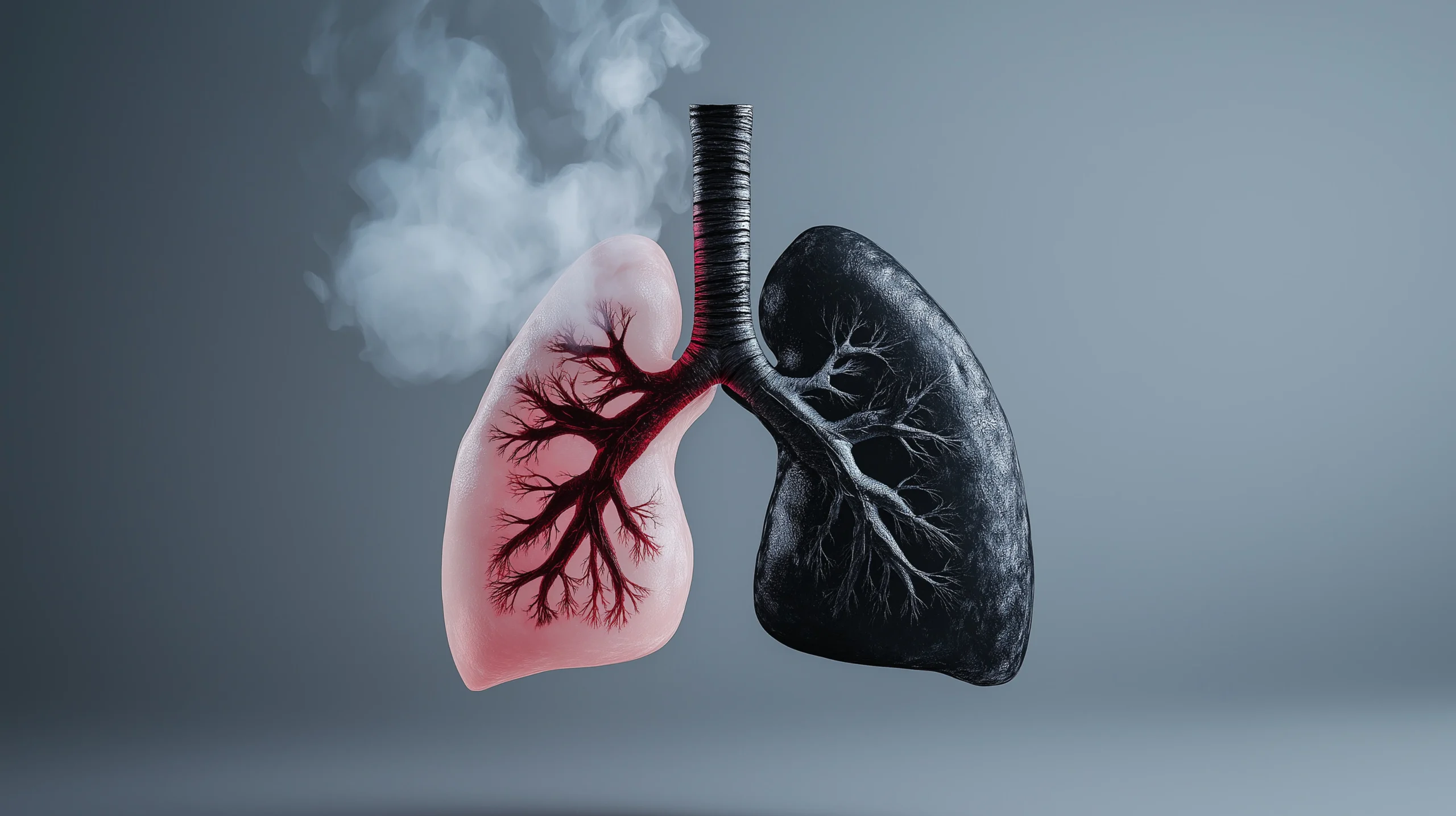
Most people link smoking with lung cancer and emphysema. Fewer people know how badly it harms the circulatory system. Tobacco injures blood vessels from the first cigarette onward.
Smoking is the single strongest risk factor for peripheral artery disease. It drives heart attacks, strokes, and aneurysms. This guide explains how smoking damages your blood vessels, what it means for your legs and heart, and how fast your body recovers when you quit.
What Happens Inside Your Blood Vessels
Tobacco smoke contains thousands of chemicals. Many of them reach your bloodstream within seconds of a puff. Once there, they attack your blood vessels in several ways at once.
Damage to the Vessel Lining
A thin layer of cells called the endothelium lines every blood vessel. This layer controls how vessels widen and narrow. It keeps blood flowing smoothly.
Chemicals in smoke injure these cells directly. Damaged endothelium produces less nitric oxide, a substance that helps vessels relax. As a result, your arteries stay tighter than they should.
Faster Plaque Buildup
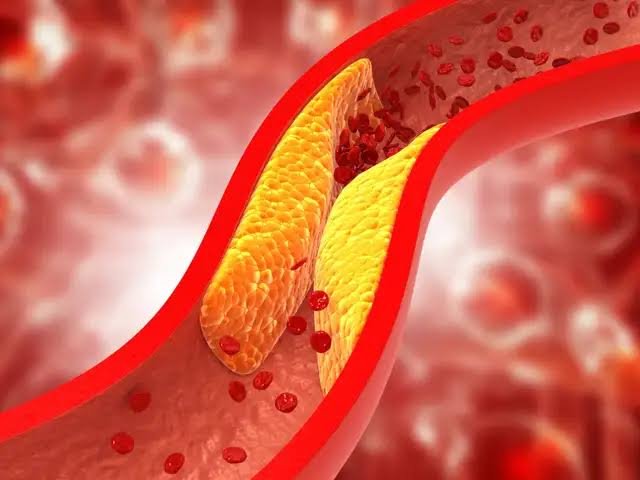
Injury to the vessel wall invites plaque. Smoking raises LDL cholesterol, the harmful kind, and lowers HDL cholesterol, the protective kind. It increases oxidation, which makes cholesterol stickier.
Plaque builds up faster in smokers. This process, called atherosclerosis, narrows arteries throughout the body.
Thicker, Stickier Blood
Smoking makes platelets clump together more easily. It raises fibrinogen, a protein involved in clotting. Blood becomes more likely to form a clot inside a narrowed artery.
Carbon monoxide creates a second problem. It binds to red blood cells in place of oxygen, and less oxygen reaches your tissues.
Constant Inflammation
Smoking triggers ongoing inflammation in the vessel walls. Inflammation weakens plaque caps and makes them more likely to rupture. A ruptured plaque can trigger a sudden heart attack or stroke.
Immediate Effects of One Cigarette
The damage begins right away. Within minutes of smoking, nicotine raises your heart rate and blood pressure. Your arteries narrow, and blood flow to your hands and feet drops.
Even one cigarette makes your arteries stiffer for a period of time. Repeat this several times a day for years, and the effect becomes permanent.
What Smoking Does to Your Legs
Peripheral artery disease (PAD) affects smokers far more than nonsmokers. Research consistently shows that smoking raises PAD risk several times over. It is a stronger risk factor for PAD than for coronary artery disease.
Smokers with PAD face worse outcomes:
- Symptoms appear about a decade earlier in life.
- Leg pain with walking tends to be more severe.
- Wounds on the feet heal more slowly.
- Treated arteries and bypass grafts fail more often.
- The risk of amputation rises sharply.
Smoking is the main cause of Buerger’s disease, a condition that inflames small arteries in the hands and feet. It affects young smokers and can lead to tissue loss. Quitting completely is the only treatment that reliably stops it.
Other Vascular Risks From Smoking
Abdominal Aortic Aneurysm
The aorta is your largest artery. Smoking weakens its wall and can cause a bulge called an aneurysm. A large one may rupture, which is often fatal.
Smoking is the strongest risk factor for this condition. Federal guidelines recommend a one time ultrasound screening for men aged 65 to 75 who have ever smoked.
Stroke and Heart Attack
Smoking roughly doubles the risk of stroke. It narrows the carotid arteries in the neck and raises the chance of clots. It is a major contributor to heart attacks as well, especially in younger adults.
Vein Problems and Wound Healing
Smoking slows wound healing throughout the body. Surgeons often ask patients to quit before an operation for this reason. Smokers face a higher risk of complications after vascular procedures.
What About Vaping and Other Products?
Electronic cigarettes deliver nicotine without burning tobacco. They avoid many combustion products, but nicotine itself narrows blood vessels and raises heart rate.
Research on long term vascular effects continues. Experts agree that vaping is not harmless. Switching from cigarettes to vaping may reduce some exposure, but quitting nicotine entirely remains the goal.
Smokeless tobacco raises blood pressure and cardiovascular risk. Secondhand smoke harms blood vessels as well, which is why household exposure matters.
Smoking and Vascular Procedures
Surgeons and vascular specialists pay close attention to smoking before any procedure. The reasons are practical.
Smokers face higher rates of wound infection after surgery. Incisions take longer to close. Bypass grafts and stents clog again sooner in smokers than in nonsmokers. Some studies report failure rates that are twice as high.
Many surgical teams ask patients to stop at least four weeks before a planned operation. Even a few weeks of abstinence improves oxygen delivery and lowers complication rates. Ask your care team for help with medicines and counseling as soon as a procedure gets scheduled.
Secondhand Smoke Matters Too
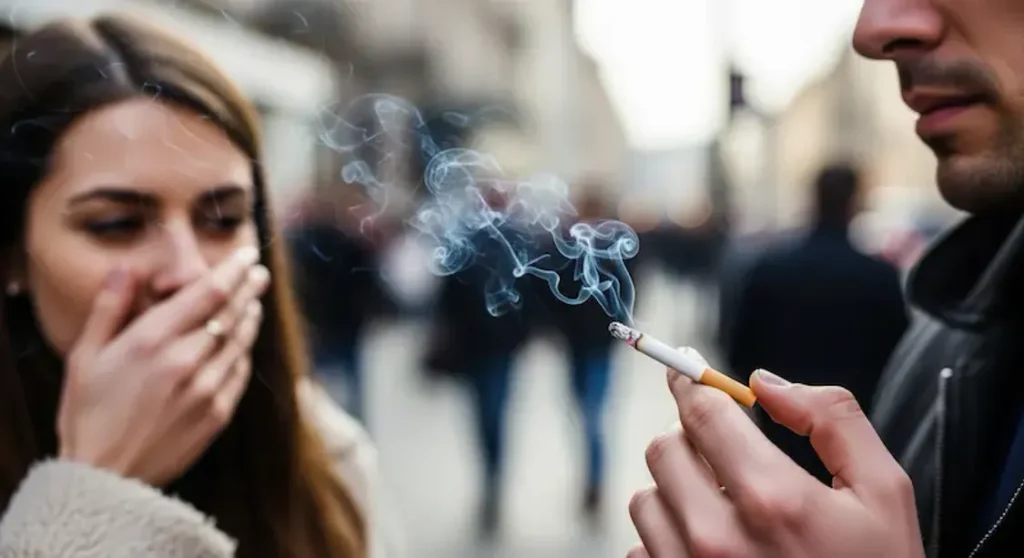
You do not have to smoke to suffer vascular harm. Breathing other people’s smoke damages the vessel lining in similar ways. Research links secondhand exposure to higher rates of heart disease and stroke in nonsmokers.
Children face particular risk, because their blood vessels are developing. Keeping your home and car smoke free protects everyone in the household. This step also makes quitting easier for the smoker in the family.
How Fast Your Body Recovers
Blood vessels begin to recover quickly after your last cigarette.
- Within 20 minutes: Heart rate and blood pressure start to fall.
- Within 12 hours: Carbon monoxide levels in your blood return to normal.
- Within a few weeks to months: Circulation improves and lung function rises.
- Within one year: The excess risk of coronary heart disease drops by about half.
- Within five years: Stroke risk falls toward that of a nonsmoker.
- Within 15 years: Coronary heart disease risk approaches that of someone who never smoked.
For people with PAD, quitting slows disease progression, improves walking distance, and lowers the risk of amputation. It helps treated arteries and bypass grafts stay open longer.
Smoking Combined With Other Risks
Risk factors do not simply add up. They multiply. Smoking plus diabetes damages blood vessels far more than either one alone.
Several combinations deserve attention:
- Smoking and diabetes: The two together sharply raise the risk of foot ulcers and amputation.
- Smoking and high blood pressure: Both stiffen the arteries, which strains the heart.
- Smoking and birth control pills: This pairing raises clot risk, especially after age 35.
- Smoking and high cholesterol: Plaque forms faster when both are present.
If you have any of these conditions, quitting delivers even more benefit than it would otherwise. Your doctor can help you tackle both problems at once. A single visit can cover your quit plan, your cholesterol medicine, and your blood sugar targets.
How to Quit Successfully
Quitting is hard, and most people need several attempts. Combining methods works better than willpower alone.
- Talk with your doctor: Prescription medicines such as varenicline and bupropion improve success rates.
- Use nicotine replacement: Patches, gum, and lozenges ease withdrawal.
- Get counseling: Phone, text, and in person programs double your odds.
- Call a quitline: Free national quitlines offer coaching by phone, and smokefree.gov lists them.
- Set a quit date: Pick a day and remove tobacco from your home and car.
- Plan for triggers: Know which situations tempt you and prepare a response.
Medicine plus counseling works better than either one alone. Ask your doctor which combination fits you.
Tell your care team about past quit attempts. What worked for a few weeks, and what triggered the relapse, both help shape a better plan. Most people who quit for good have tried several times before.
Frequently Asked Questions
Is cutting back as good as quitting?
No. Cutting back helps less than most people expect. The damage to blood vessels continues at lower levels of smoking.
Will my arteries go back to normal after I quit?
Existing plaque does not disappear. However, the damage slows down, circulation improves, and your risk of future events falls.
Does smoking affect veins as well as arteries?
Yes. Smoking contributes to clot risk and slows wound healing, both of which affect vein health.
Does smoking affect how well vein treatment works?
Yes. Smoking slows healing and raises the risk of complications after any vascular procedure. Quitting before treatment improves your result.
How soon does circulation in my legs improve?
Many people notice warmer feet and easier walking within weeks. Larger gains in walking distance often take a few months, especially when paired with a walking program.
Is it too late to quit if I already have PAD?
No. Quitting at any stage improves walking ability and lowers the risk of amputation and heart attack.
The Bottom Line
Smoking damages your blood vessels in several ways at once. It injures the vessel lining, speeds plaque buildup, thickens the blood, and keeps inflammation going. The legs feel this damage first, which is why smoking drives peripheral artery disease so strongly. Recovery starts within minutes of your last cigarette. Ask your doctor about medicines and counseling, and treat quitting as the most powerful vascular treatment available to you.
This article is for general education only. It does not replace advice from your own doctor or vascular specialist.
Sources
- US Department of Health and Human Services. The Health Consequences of Smoking: 50 Years of Progress. A Report of the Surgeon General. 2014.
- US Department of Health and Human Services. Smoking Cessation: A Report of the Surgeon General. 2020.
- Centers for Disease Control and Prevention. Benefits of Quitting Smoking.
- Gornik HL, Aronow HD, Goodney PP, et al. 2024 ACC/AHA Guideline for the Management of Lower Extremity Peripheral Artery Disease. Circulation. 2024.
- US Preventive Services Task Force. Screening for Abdominal Aortic Aneurysm: Recommendation Statement. JAMA. 2019.