Vascular disease affects the arteries, veins, and lymph vessels that move blood and fluid through your body. It is common in women, yet it often goes unrecognized for years. One reason is that symptoms in women can look different from the classic picture many people expect.
Women also face risk factors that men do not, such as pregnancy and menopause. Knowing what to watch for helps you speak up sooner. This guide covers the common symptoms of vascular disease in women, the risks unique to women, and when to call a doctor.
Why Vascular Disease Looks Different in Women
Women’s blood vessels tend to be smaller than men’s. Plaque in women often spreads evenly along the artery wall rather than forming one large blockage. As a result, standard tests can miss the problem.
Estrogen also plays a role. Before menopause, it helps keep blood vessels flexible. After menopause, that protection fades, and risk climbs. Many women develop vascular problems about a decade later in life than men do.
Symptoms add another layer. Women more often report fatigue, general weakness, or discomfort that does not match the textbook description. Doctors may look for other causes first.
Peripheral Artery Disease Symptoms in Women
Peripheral artery disease (PAD) narrows the arteries that carry blood to the legs. Studies suggest that women with PAD are more likely than men to have no symptoms, or to have symptoms that seem unrelated.
Watch for these signs:
- Leg cramps or aching while walking that ease with rest
- General leg weakness or heaviness
- Walking more slowly or for shorter distances than before
- Cold feet, especially on one side
- Shiny skin or hair loss on the lower legs
- Sores on the toes or feet that heal slowly
- Toenails that grow slowly or thicken
Many women attribute these changes to aging, arthritis, or back trouble. Tell your doctor about any change in how far or how fast you can walk.
Vein Disease Symptoms in Women
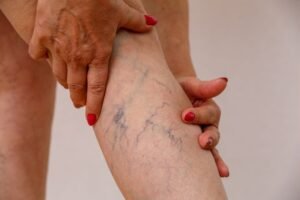
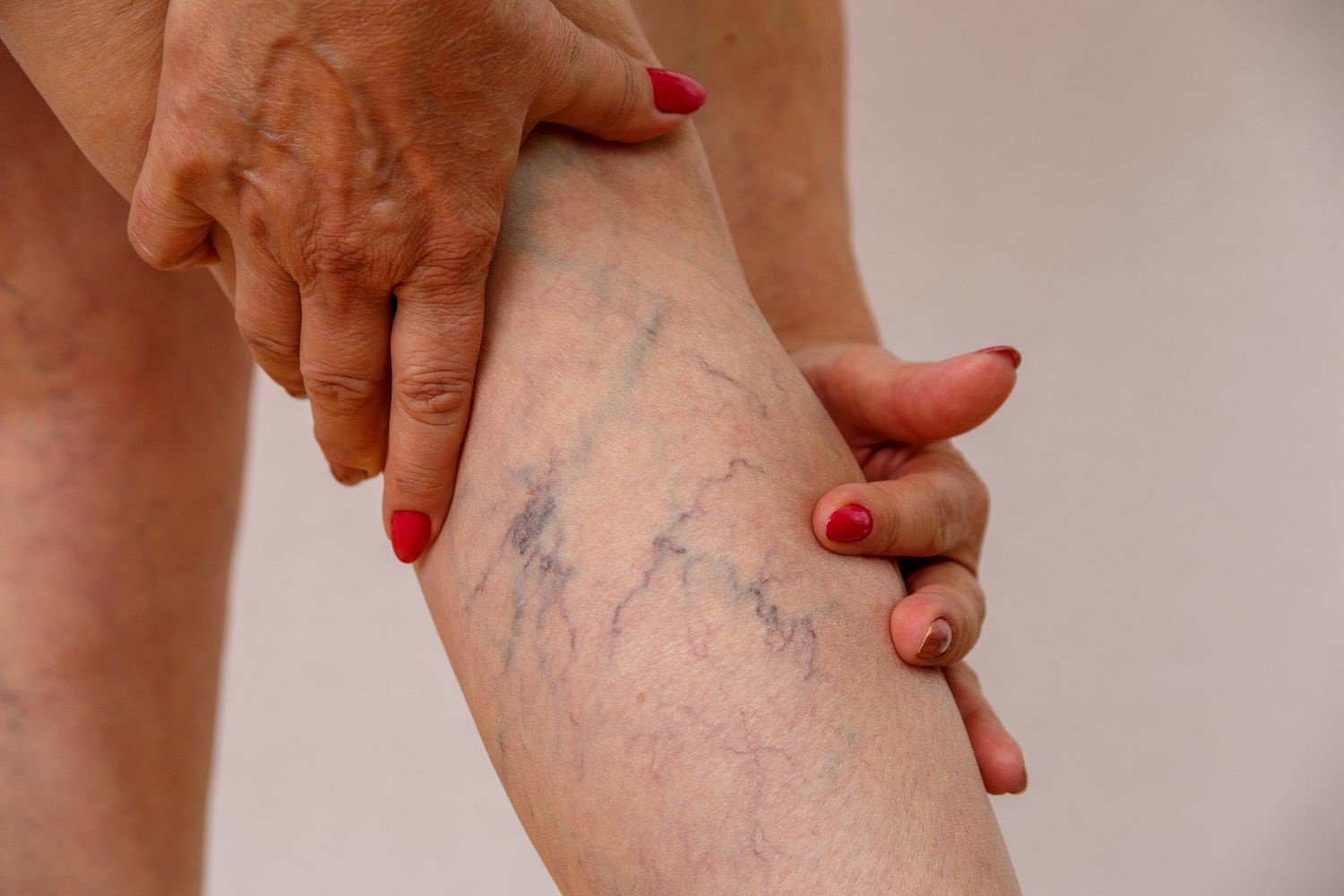
Vein problems are more common in women than in men. Chronic venous insufficiency develops when valves in the leg veins weaken and blood pools in the legs.
Common symptoms include:
- Aching, throbbing, or heavy legs, often worse at the end of the day
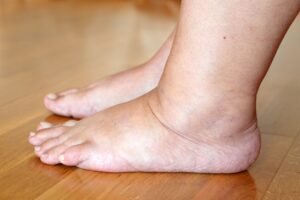
- Ankle swelling that improves overnight
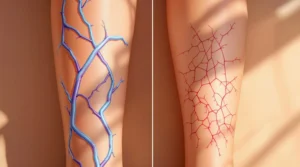
- Visible varicose or spider veins
- Restless legs or night cramps
- Itching or burning over a vein
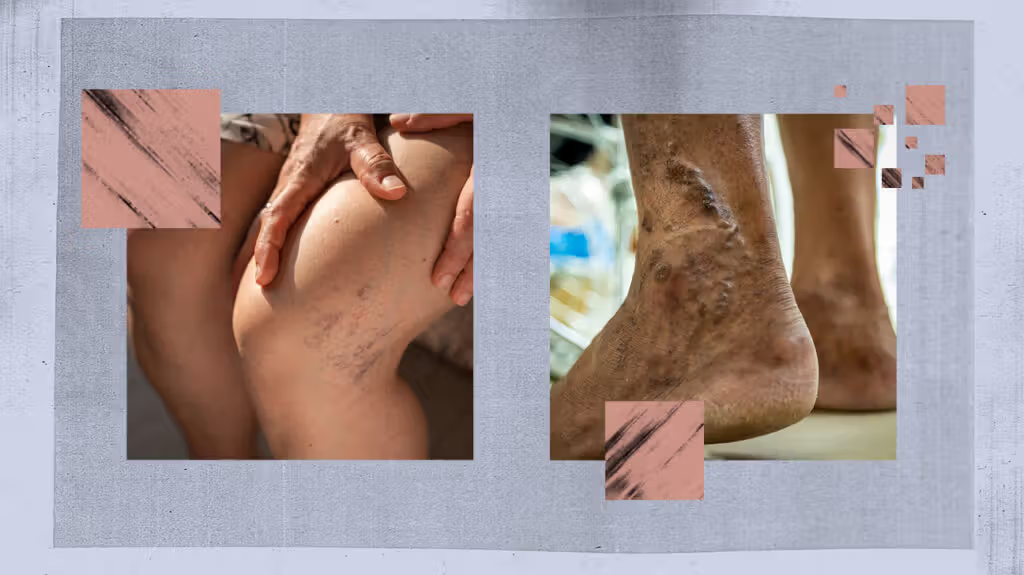
- Skin near the ankle that darkens or thickens
- Open sores near the ankle in advanced cases
Pregnancy often brings the first symptoms. Blood volume rises, hormones relax vein walls, and the growing uterus presses on pelvic veins.
Pelvic Vein Problems
Some women have vein trouble higher up in the pelvis. Pelvic venous disorders can cause a dull, heavy ache in the lower abdomen that worsens with standing. Other signs include pain during or after sex, and varicose veins on the buttocks, upper thighs, or vulva.
This condition is often mistaken for other gynecologic problems. If your pelvic pain gets worse as the day goes on, ask whether your pelvic veins deserve a look.
Blood Clot Warning Signs
A deep vein thrombosis (DVT) is a clot in a deep vein, usually in the leg. Pregnancy, birth control pills, hormone therapy, and recent surgery all raise the risk in women.
Call your doctor the same day if you notice:
- Swelling in one leg, often with pain or tenderness in the calf
- Warmth or redness over the area
- A leg that aches when you stand or walk
Go to the emergency room if you have sudden shortness of breath, chest pain that worsens when you breathe in, a fast heartbeat, or you cough up blood. These can signal a clot in the lungs.

Risk Factors Unique to Women
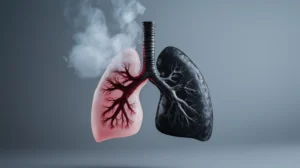
Standard risk factors matter for everyone. Smoking, diabetes, high blood pressure, high cholesterol, and family history all raise risk. Women also carry several risks of their own.
Pregnancy Related Conditions
Preeclampsia, gestational diabetes, and high blood pressure during pregnancy all signal higher cardiovascular risk later in life. Tell every new doctor about these events, including decades afterward.
Hormonal Factors
Birth control pills and hormone therapy slightly raise the risk of blood clots. The risk climbs in women who smoke or have a clotting disorder. Early menopause, before age 45, raises cardiovascular risk.
Autoimmune Disease
Lupus, rheumatoid arthritis, and similar conditions occur far more often in women. Each one causes inflammation that can damage blood vessels over the years.
Other Conditions
Polycystic ovary syndrome raises the risk of diabetes and heart disease. Migraine with aura has links to stroke risk.
Symptoms That Need Urgent Care
Some vascular symptoms cannot wait. Call 911 if you have:
- Sudden weakness or numbness in the face, arm, or leg, especially on one side
- Sudden trouble speaking or understanding speech
- Sudden vision loss or blurred vision in one eye
- A leg that turns cold, pale, numb, and painful within hours
- Sudden severe pain in the abdomen or back
- Chest pain, pressure, nausea, or jaw and back pain with shortness of breath
Women having a heart attack often report nausea, extreme tiredness, or pain in the back or jaw instead of classic chest pain. Do not wait to see whether it passes.
How Doctors Diagnose Vascular Disease
Your doctor will ask about your symptoms, your pregnancies, and your family history. Next, they will examine your legs and check your pulses. Common tests include:
- Ankle brachial index (ABI): Compares blood pressure in the ankle and arm.
- Toe pressures: More accurate when ankle arteries are stiff.
- Duplex ultrasound: Shows blood flow and blockages in arteries and veins.
- CT or MR angiography: Produces detailed images of blood vessels.
- Blood tests: Check cholesterol, blood sugar, and clotting.
Be specific about your symptoms. Describe how far you can walk, what the pain feels like, and what makes it better or worse.
How to Talk With Your Doctor
Vague descriptions lead to vague answers. Specific details help your doctor consider vascular causes. Before your visit, write down:
- How far you can walk before symptoms start
- What the pain or discomfort actually feels like
- Which leg is affected, or whether both are
- What time of day symptoms are worst
- What makes them better, such as rest or raising your legs
- Every pregnancy complication you have had
- All medicines, including birth control and hormone therapy
Useful questions to ask include whether your symptoms could come from your arteries or veins, whether you need an ankle brachial index test, and whether your pregnancy history changes your risk. Ask for a referral to a vascular specialist if your symptoms continue without an explanation.
Steps You Can Take Now
Many vascular risks respond well to daily habits:
- Stop smoking, and avoid secondhand smoke.
- Walk most days of the week.
- Keep blood pressure, cholesterol, and blood sugar in range.
- Choose a diet rich in vegetables, fruit, whole grains, and fish.
- Maintain a healthy weight.
- Move and stretch your legs during long trips or long workdays.
- Share your full pregnancy history with your care team.
Vascular Care Across a Woman’s Life
Risk changes with each stage of life. A short plan for each stage helps.
- Twenties and thirties: Know your family history. Ask about clot risk before starting estrogen based birth control.
- Pregnancy years: Report leg swelling, pelvic pain, or visible veins. Keep records of any pregnancy complication.
- Forties: Get baseline cholesterol, blood pressure, and blood sugar numbers. Mention any change in walking distance.
- Fifties and beyond: Ask about an ankle brachial index test if you have risk factors. Report leg cramps, swelling, or slow healing sores.
Bring your pregnancy history to every new doctor. Many women assume it stopped mattering once the children grew up. It did not.
Frequently Asked Questions
Is vascular disease in women really underdiagnosed?
Research suggests that women with PAD are less likely to have classic symptoms, which can delay diagnosis. Describing your symptoms clearly helps your doctor consider it.
Can birth control pills cause vascular problems?
Estrogen based birth control slightly raises the risk of blood clots. The risk climbs in women who smoke, who are over 35, or who have a clotting disorder. Talk with your doctor about options that fit your risk.
Do varicose veins during pregnancy go away?
Many improve within a few months after delivery. Some remain, especially after more than one pregnancy.
Does menopause affect my blood vessels?
Yes. Estrogen helps keep blood vessels flexible. After menopause, cholesterol and blood pressure often rise, and vascular risk goes up with them.
At what age should women start checking?
There is no single age. Talk with your doctor if you have risk factors, leg symptoms, or a history of pregnancy complications.
The Bottom Line
Vascular disease in women is common, treatable, and often missed. Symptoms may be vague, such as tired legs, swelling, or trouble walking as far as before. Pregnancy history, hormones, and autoimmune disease add risks that men do not share. Track your symptoms, share your full history, and ask about testing. Early care protects your legs, your heart, and your brain.
This article is for general education only. It does not replace advice from your own doctor or vascular specialist.
Sources
- Gornik HL, Aronow HD, Goodney PP, et al. 2024 ACC/AHA Guideline for the Management of Lower Extremity Peripheral Artery Disease. Circulation. 2024.
- Hiramoto JS, Katz R, Weisman S, Conte M. Gender Specific Risk Factors for Peripheral Artery Disease in a Voluntary Screening Population. Journal of the American Heart Association. 2014.
- National Heart, Lung, and Blood Institute. Venous Thromboembolism; Varicose Veins.
- Centers for Disease Control and Prevention. Women and Heart Disease.
- Office on Women’s Health, US Department of Health and Human Services. Heart Disease and Stroke.