
Your circulatory system moves blood to every part of your body. When blood flow drops, the tissues that get the least blood complain first. Usually, that means your feet, legs, and hands.
Poor circulation is a symptom, not a diagnosis. Behind it sits a cause, such as narrowed arteries, failing vein valves, or a heart problem. Catching the signs early gives you more treatment options. Here are seven warning signs of poor circulation and what each one may mean.
1. Cold Hands or Feet
Warm blood keeps your extremities warm. When flow drops, your hands and feet feel cold even in a comfortable room.
Pay attention if one foot feels colder than the other. That difference often points to a narrowed artery on that side. Cold feet along with pale or bluish skin deserve a prompt visit.
Cold fingers that turn white, then blue, then red may signal Raynaud’s phenomenon. In that condition, small arteries spasm in response to cold or stress.
2. Numbness or Tingling
A pins and needles feeling means nerves are not getting enough blood or are under pressure. Short lived numbness after sitting on your foot is normal. Lasting numbness is not.
Numbness in the feet often comes from diabetes related nerve damage. It can also come from reduced blood flow. Either way, numb feet raise your risk of unnoticed injuries.
Call 911 for sudden numbness in the face, arm, or leg, especially on one side. That may be a stroke.
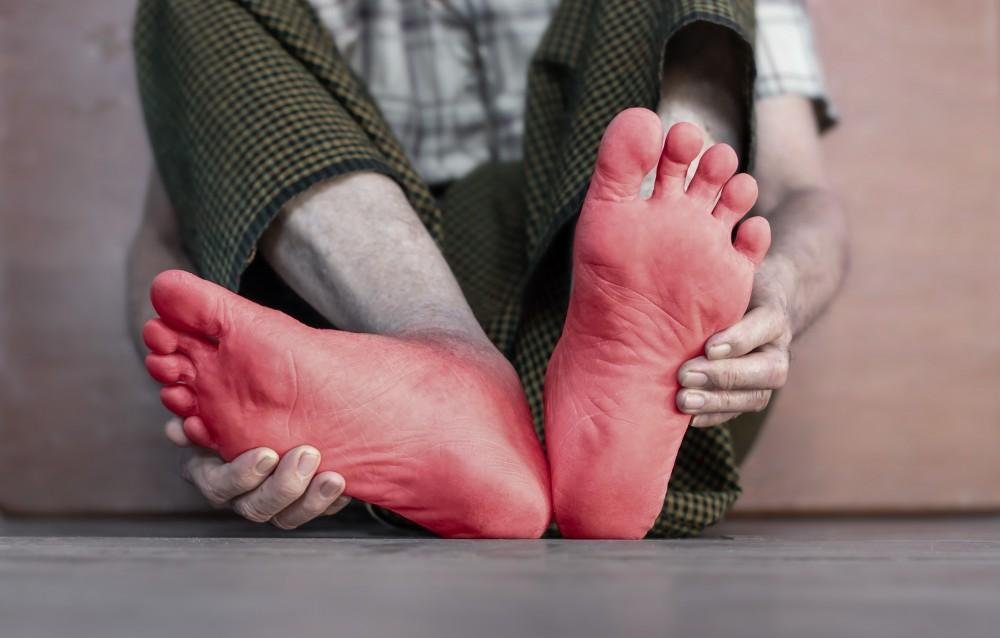
3. Leg Pain or Cramping While Walking
This symptom, called claudication, is the classic sign of peripheral artery disease (PAD). Muscles need extra blood during exercise. Narrowed arteries cannot deliver it, so the muscle aches.
The pattern matters more than the pain itself:
- Pain starts after walking a predictable distance.
- It affects the calves, thighs, or buttocks.
- It eases within a few minutes of rest.
- It returns when you walk again.
Many people blame age or arthritis for this and never mention it. Tell your doctor if you walk less far or slower than you did a year ago.
4. Skin Color Changes
Skin reveals a great deal about blood flow. Watch for several patterns:
- Pale or white skin: Little blood is reaching the area.
- Blue or purple skin: Blood carries too little oxygen.
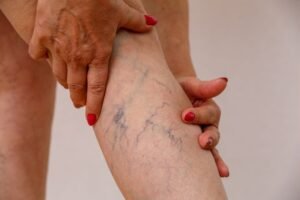
- Dark brown or reddish skin near the ankles: Blood has pooled in the veins for a long time.
- Shiny, tight skin on the legs: Chronic low blood flow has thinned the tissue.
A foot that turns pale when raised and deep red when lowered suggests poor artery flow. Sudden blue or mottled skin with pain needs emergency care.
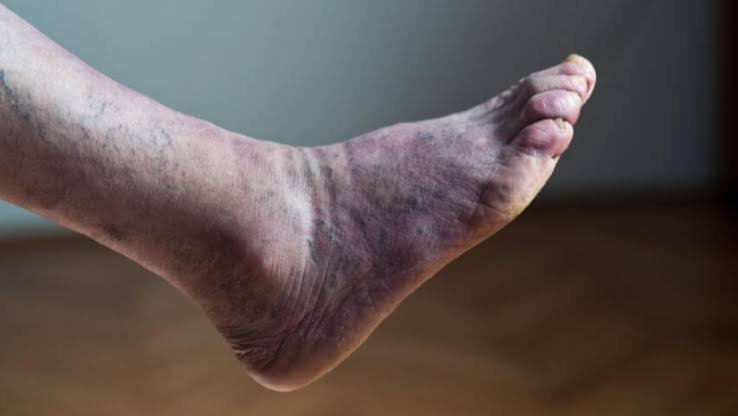
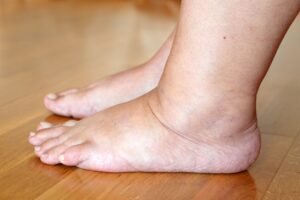
5. Swelling in the Feet and Ankles
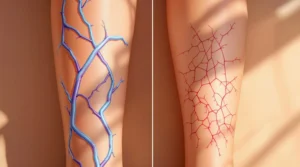
Swelling happens when fluid leaks from small blood vessels into nearby tissue. In the legs, the usual cause is chronic venous insufficiency. Weak vein valves let blood pool, and pressure pushes fluid into the skin.
Vein related swelling has a pattern. It builds through the day and improves overnight. It often comes with aching, itching, or visible varicose veins.
Swelling in both legs with shortness of breath may point to the heart. Sudden swelling in one leg may mean a blood clot and needs same day care.
6. Slow Healing Sores on the Feet or Legs
Healing needs oxygen and nutrients, and blood delivers both. When a cut or blister on your foot stays open for weeks, circulation is a prime suspect.
The location offers a clue. Wounds near the inner ankle usually come from vein problems. Wounds on the toes, heels, or outer ankle usually come from artery problems.
Do not wait on these. A wound that has not improved in two weeks needs medical attention. People with diabetes should call sooner.
7. Hair Loss and Nail Changes on the Legs
Hair follicles and nail beds need steady blood flow. When circulation falls, they are among the first structures to suffer.
Look for:
- Thinning or missing hair on the lower legs, ankles, or toes
- Toenails that grow slowly
- Nails that thicken or become brittle
- Skin that looks smooth and shiny
These changes develop gradually, so they are easy to miss. They often appear alongside other signs on this list.
What Causes Poor Circulation?
Several conditions reduce blood flow:
- Peripheral artery disease: Plaque narrows the arteries to the legs.
- Chronic venous insufficiency: Weak valves let blood pool in the veins.
- Blood clots: A clot blocks a vein or an artery.
- Diabetes: High blood sugar damages both vessels and nerves.
- Raynaud’s phenomenon: Small arteries spasm in the fingers and toes.
- Heart failure: The heart moves blood less effectively.
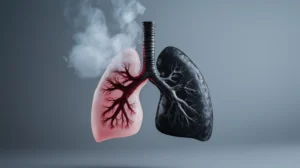
- Smoking: Tobacco narrows vessels and speeds plaque buildup.
Several of these can occur together. For example, many people with diabetes also have PAD.
Why Early Action Matters
Poor circulation in the legs rarely stays a leg problem. The same plaque that narrows your leg arteries usually affects your heart and brain. People with PAD face a higher risk of heart attack and stroke than people without it.
Early treatment works on both fronts. Statins, blood pressure control, and quitting smoking protect your heart while they protect your legs. A walking program can roughly double how far many people walk without pain.
Waiting carries real costs. Untreated PAD can progress to constant foot pain and wounds that will not heal. At that stage, treatment becomes harder and limb loss becomes a real risk.
Checking Your Own Legs at Home
A short weekly check takes two minutes:
- Compare both feet for color, temperature, and swelling.
- Look at the soles and between the toes, using a mirror if needed.
- Check for cuts, blisters, cracks, or callus buildup.
- Press a toenail and watch how fast the color returns.
- Notice whether leg hair has thinned.
- Track how far you can walk before discomfort starts.
Write down anything new. A short note gives your doctor something concrete to work with.
When to Seek Emergency Care
Call 911 or go to the emergency room if you have:
- A leg or foot that suddenly turns cold, pale, numb, and painful
- Sudden weakness or numbness on one side of the body
- Sudden trouble speaking or seeing
- Chest pain or pressure
- Sudden shortness of breath
- Sudden swelling in one leg with pain and warmth
These may indicate a blocked artery, a stroke, or a blood clot in the lungs. Every minute counts.
How Doctors Test Circulation
Testing is quick and painless in most cases. Your doctor may order:
- Ankle brachial index (ABI): Compares blood pressure in the ankle and arm.
- Toe pressures: More accurate when ankle arteries are stiff.
- Duplex ultrasound: Shows blood flow in arteries and veins.
- CT or MR angiography: Produces detailed vessel images.
- Blood tests: Check cholesterol, blood sugar, and clotting.
Steps That Improve Circulation
Treatment depends on the cause. Meanwhile, these habits support better blood flow:
- Walk most days of the week, since walking builds new small vessels.
- Stop smoking, which is the single most effective step.
- Manage blood sugar, blood pressure, and cholesterol.
- Take prescribed medicines such as statins every day.
- Raise your legs when resting if your veins are the problem.
- Wear compression stockings if your doctor recommends them.
- Stay hydrated and keep a healthy weight.
- Check your feet daily for changes.
Who Faces the Highest Risk
Some people should pay closer attention to these signs:
- Adults age 65 and older
- Adults 50 to 64 who smoke or have diabetes
- Anyone with high blood pressure or high cholesterol
- People with chronic kidney disease
- Anyone with known heart or carotid artery disease
- People with a family history of vascular disease
If you fall into one of these groups, mention any of the seven signs at your next visit. Ask whether an ankle brachial index test makes sense for you. The test takes about 15 minutes and causes no pain.
Frequently Asked Questions
Can poor circulation be reversed?
Many causes can be treated effectively. Medicine, exercise, and procedures can restore blood flow, though existing plaque does not disappear.
Are cold feet always a circulation problem?
No. Cold feet can come from cold weather, thyroid problems, or anemia. See a doctor if one foot is colder or other signs appear.
How quickly do these signs appear?
Most develop slowly over months or years. Sudden symptoms are different and need emergency care, since they may mean a clot or a blocked artery.
Which doctor treats poor circulation?
A vascular specialist focuses on arteries and veins. Your primary care doctor can order initial testing and refer you.
The Bottom Line
The warning signs of poor circulation show up mostly in the legs and feet: cold skin, numbness, cramping while walking, color changes, swelling, slow healing sores, and hair or nail changes. None of these should be written off as normal aging. Simple tests can find the cause quickly. Early treatment protects your limbs and lowers your risk of heart attack and stroke.
This article is for general education only. It does not replace advice from your own doctor. Seek emergency care for sudden numbness, a cold painful limb, or chest pain.
Sources
- Gornik HL, Aronow HD, Goodney PP, et al. 2024 ACC/AHA Guideline for the Management of Lower Extremity Peripheral Artery Disease. Circulation. 2024.
- National Heart, Lung, and Blood Institute. Peripheral Artery Disease; Raynaud’s Phenomenon; Venous Thromboembolism.
- National Institute of Diabetes and Digestive and Kidney Diseases. Chronic Venous Insufficiency; Diabetes and Foot Problems.