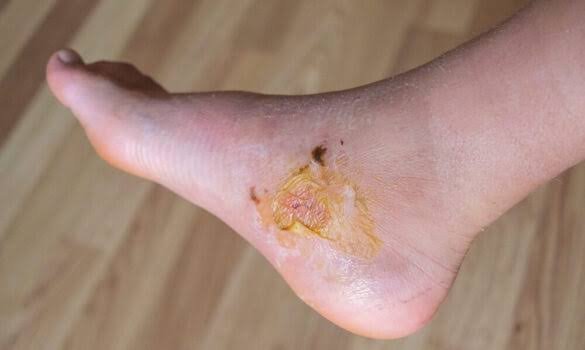
A small cut on your foot should close within a few weeks. When it does not, something is interfering with healing. Most often, the cause is a circulation problem, nerve damage, or both.
Doctors call a wound chronic when it fails to improve after about four weeks. These wounds need more than a bandage. They need a diagnosis. This guide explains why wounds on the feet or legs stop healing, what tests to expect, and how treatment works.
Why Some Wounds Stop Healing
Healing requires a steady supply of oxygen, nutrients, and immune cells. Blood delivers all three. Blood flow that falls short leaves the repair process stalled.
Several problems block healing:
- Poor artery flow: Narrow arteries starve the tissue of oxygen.
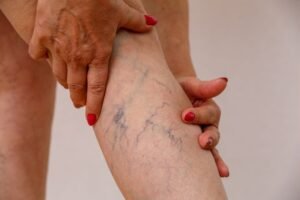
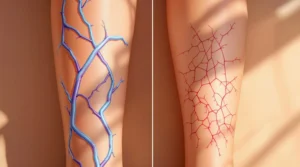
- Poor vein flow: Pooled blood raises pressure and leaks fluid into the skin.
- Nerve damage: You cannot feel an injury, so you keep walking on it.
- Infection: Bacteria consume resources and damage tissue.
- Repeated pressure: Constant weight on one spot reopens the wound.
- Poor blood sugar control: High glucose slows the immune response.
Many patients have more than one of these problems at once. That combination explains why these wounds resist simple home care.
Common Types of Leg and Foot Wounds
Venous Leg Ulcers
These are the most common type of chronic leg wound. They develop when vein valves fail and blood pools in the lower leg. The pressure damages the skin over time.
Typical features include a location near the inner ankle, shallow depth, irregular edges, and heavy drainage. The surrounding skin often looks brown or hardened. The leg usually swells, and the wound may ache less when you raise your leg.
Arterial Ulcers
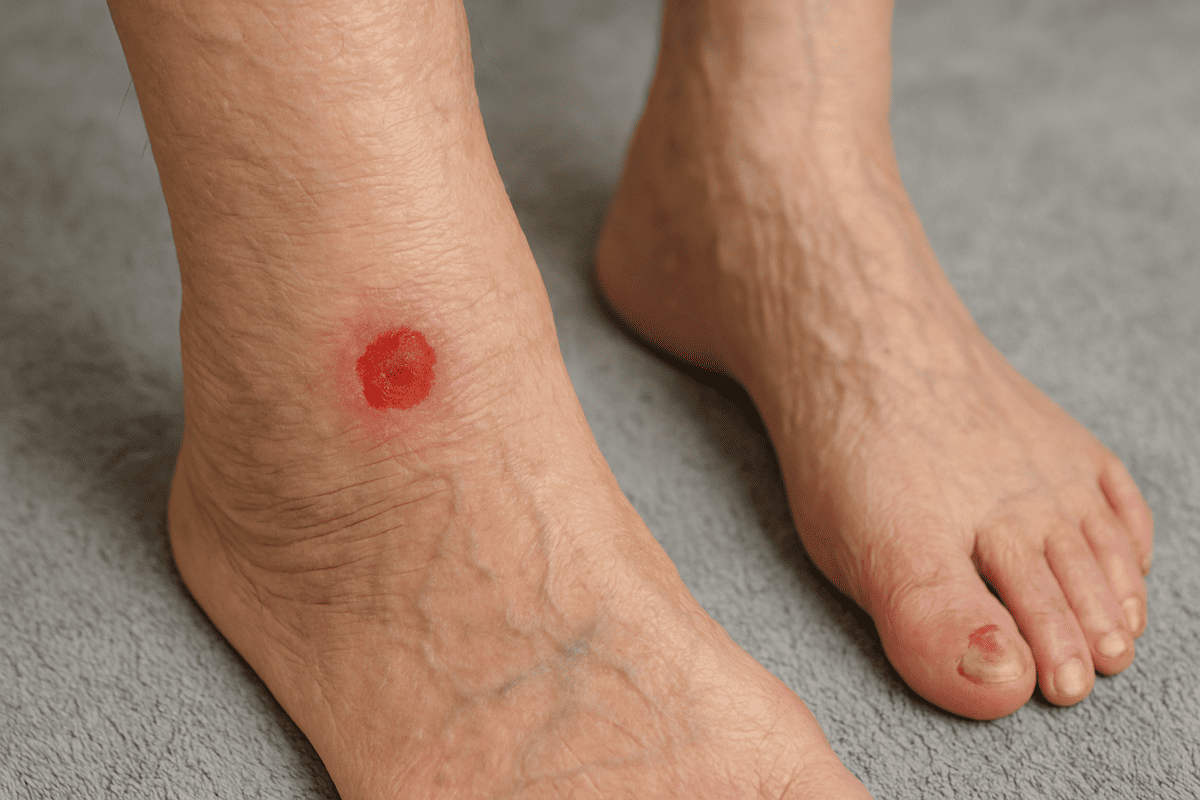
These wounds come from poor artery flow, usually from peripheral artery disease (PAD). They often appear on the toes, heels, or the outer ankle.
Arterial ulcers tend to look punched out with clean edges and a pale or gray base. The foot may feel cold, and pulses may be weak or absent. Pain often worsens at night and eases when you hang your leg over the bed.
Diabetic Foot Ulcers
Diabetes damages nerves and blood vessels together. A person may not feel a blister forming inside a shoe. Pressure then breaks the skin down from the inside out.
These wounds usually sit on the ball of the foot, the big toe, or the heel. Thick callus often rings the edge. Reduced sensation means the wound may cause no pain at all.
Pressure Injuries
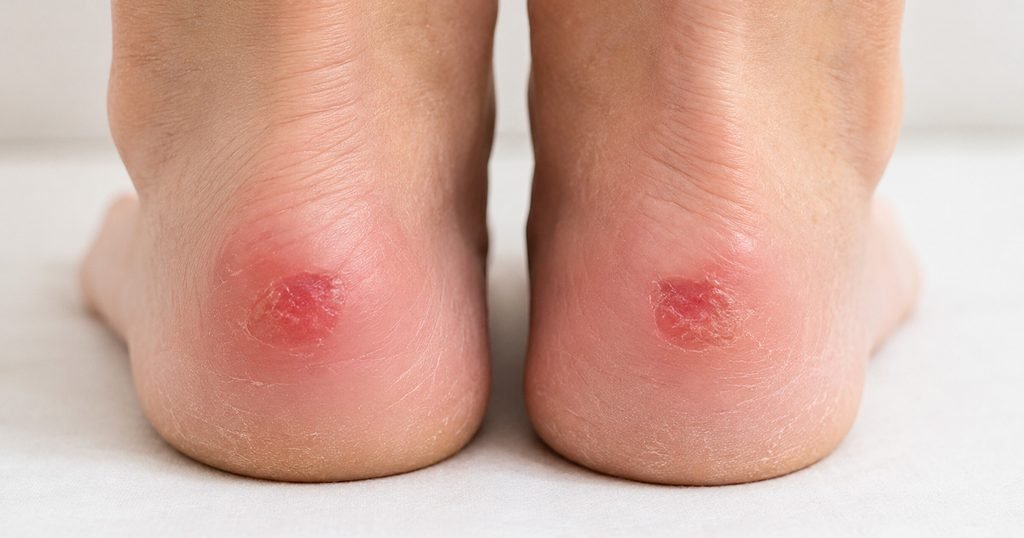
These form when steady pressure cuts off blood flow to skin over a bony area. The heel is a frequent site in people who spend long periods in bed or a chair.
Warning Signs You Should Not Ignore
Contact your doctor within a day or two if you notice:
- A wound that has not improved in two weeks
- Increasing pain, redness, or swelling around the wound
- Drainage that becomes thick, cloudy, or foul smelling
- A wound that grows larger or deeper
- Black or dark tissue at the edges
- Numbness or new coldness in the foot
Seek emergency care for fever, chills, confusion, red streaks spreading up the leg, or a foot that suddenly turns cold and pale. Serious infections can spread within hours.
How Doctors Find the Cause
Finding the cause comes before choosing a dressing. Your care team will examine the wound and check your circulation.
Circulation Testing
- Ankle brachial index (ABI): Compares blood pressure in the ankle and arm.
- Toe pressures: More reliable in people with diabetes or kidney disease.
- Duplex ultrasound: Shows blood flow in the arteries and veins.
- Angiography: CT, MR, or catheter imaging maps artery blockages in detail.
Other Tests
Your doctor may order blood tests to check blood sugar, kidney function, and signs of infection. A wound culture can identify the bacteria involved. An MRI or a bone biopsy helps confirm infection that may have reached the bone.
A skin biopsy makes sense for an unusual wound that resists treatment. A few rare conditions mimic ordinary ulcers.
Treatment That Actually Works
Restoring Blood Flow
No dressing heals a wound without enough blood supply. If testing shows blocked arteries, a vascular specialist may recommend a procedure. Options include balloon angioplasty, a stent, or bypass surgery. Many patients see wounds begin to close within weeks after blood flow improves.
Compression for Venous Ulcers
Compression therapy is the cornerstone of venous ulcer care. Multilayer bandages or compression wraps reduce swelling and pressure in the veins. Evidence shows compression helps ulcers heal faster and lowers the chance they return.
Your doctor will check your arteries first. Strong compression can be harmful when arterial flow is poor.
Taking Pressure Off the Wound
Offloading protects a diabetic foot ulcer. Your team may prescribe a total contact cast, a removable walking boot, or custom shoe inserts. Crutches or a wheelchair may help for a time. Normal walking on an open foot wound keeps reopening it.
Wound Care and Infection Control
Your team will clean the wound and remove dead tissue, a step called debridement. Dressings keep the wound moist but not wet. Antibiotics treat true infection. Not every wound needs them.
Advanced Therapies
Other options exist if standard care stalls. These include negative pressure wound therapy, skin substitutes, and growth factor treatments. Some patients with specific conditions benefit from hyperbaric oxygen therapy.
What to Expect at a Wound Care Visit
Your first visit usually takes an hour or more. The team will measure the wound, photograph it, and record its depth and drainage. They will check your pulses and may run circulation tests the same day.
Debridement often happens at that first visit. The team numbs the area, then removes dead tissue so healthy tissue can grow. Most people describe pressure rather than pain.
You will leave with a dressing plan and a return date. Visits usually happen weekly at first.
Caring for the Wound at Home
Follow your team’s instructions exactly, since dressing types differ. These general rules apply to most wounds:
- Wash your hands before and after every dressing change.
- Keep the dressing dry unless your team says otherwise.
- Do not use hydrogen peroxide or alcohol on an open wound.
- Never cut away tissue yourself.
- Keep your follow up appointments, including the ones after the wound looks better.
- Photograph the wound weekly in the same light.
Call your team between visits for increased drainage, rising pain, or redness around the wound.
How Long Healing Takes
Recovery varies widely. Many venous ulcers close within three to six months with proper compression. Diabetic foot ulcers often need several months of steady offloading. Arterial wounds depend on how well blood flow improves.
Progress may feel slow. Take photos every week or two so you can see change that is hard to notice day to day.
Preventing the Next Wound
Chronic wounds often return, so prevention matters as much as healing.
- Check your feet every day, using a mirror for the soles.
- Wear shoes that fit, and never go barefoot.
- Keep skin moisturized, but not between the toes.
- Wear your compression stockings as directed.
- Keep blood sugar in your target range.
- Stop smoking, since tobacco restricts blood flow.
- See a podiatrist regularly for nail and callus care.
- Report any new blister, crack, or red spot right away.
Nutrition and Healing
Your body rebuilds tissue from the nutrients you eat. Poor nutrition slows that work, and it is a common and fixable problem.
Protein matters most, because new tissue is built largely from it. Vitamin C supports collagen, and zinc supports the immune response. Good blood sugar control helps every part of healing.
Ask your care team whether you need a nutrition review. Some patients benefit from supplements, though food usually comes first.
Frequently Asked Questions
When should I see a specialist about a wound?
See a doctor if a wound has not improved after two weeks, or sooner if you have diabetes or known circulation problems.
Can a wound heal without treating circulation?
Usually not. Blood flow delivers the oxygen that healing requires. Restoring circulation often comes first.
Why does my wound hurt more at night?
Night pain in the foot often points to poor artery flow. Blood reaches the foot less easily when your leg is level with your heart. Mention this symptom, because it suggests your arteries need testing.
Does insurance cover wound care?
Medicare and most private plans cover medically necessary wound care and vascular testing. Check your plan for specifics.
The Bottom Line
Wounds on the feet or legs that won’t heal are a signal, not a nuisance. Poor artery flow, vein disease, nerve damage, and pressure are the usual causes. A proper diagnosis guides everything that follows. If a wound has stalled for more than two weeks, see a vascular specialist or wound care team. Early treatment protects your foot and lowers the risk of amputation.
This article is for general education only. It does not replace advice from your own doctor. Seek urgent care for fever, spreading redness, or a sudden cold and painful foot.
Sources
- Conte MS, Bradbury AW, Kolh P, et al. Global Vascular Guidelines on the Management of Chronic Limb Threatening Ischemia. Journal of Vascular Surgery. 2019.
- Agency for Healthcare Research and Quality. Chronic Venous Ulcers: A Comparative Effectiveness Review of Treatment Modalities.
- National Institute of Diabetes and Digestive and Kidney Diseases. Diabetes and Foot Problems.
- Centers for Disease Control and Prevention. Diabetes and Your Feet.
- O’Meara S, Cullum N, Nelson EA, Dumville JC. Compression for Venous Leg Ulcers. Cochrane Database of Systematic Reviews. 2012.