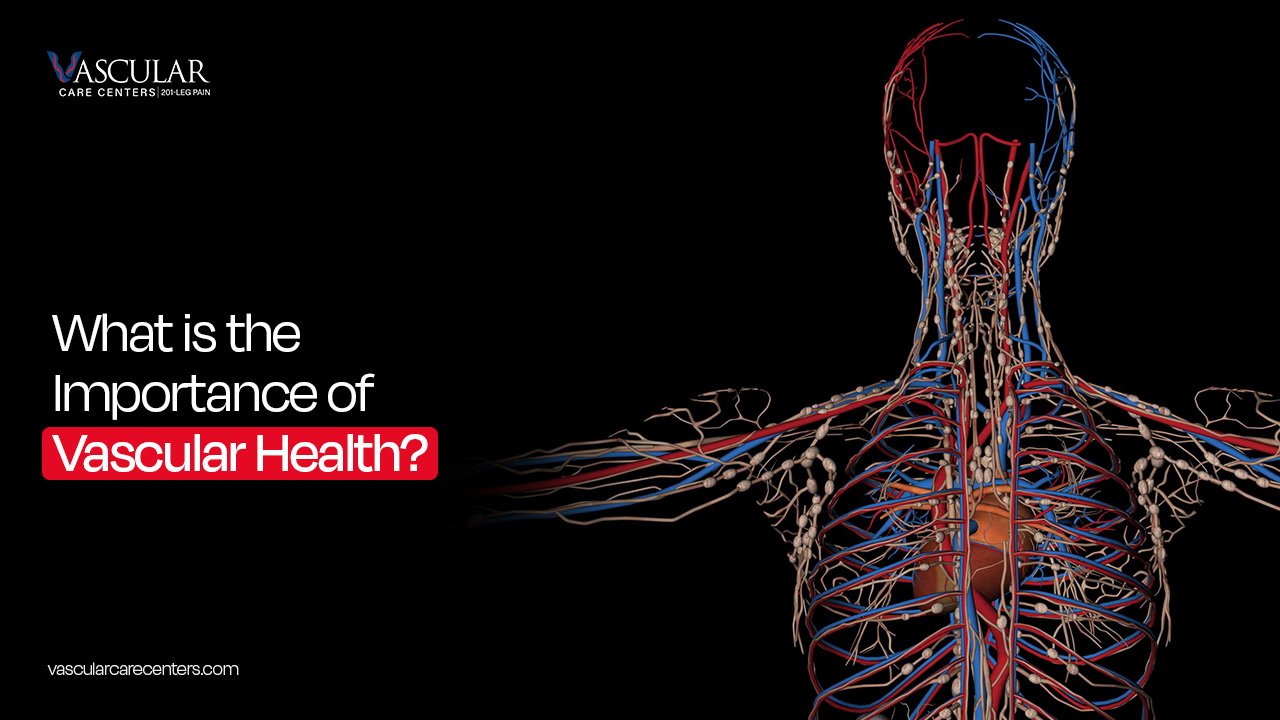
Vascular health refers to the condition of your blood vessels, arteries, veins, and capillaries, which carry blood throughout your body. These vessels are responsible for delivering oxygen and nutrients to tissues and removing waste products. When your vascular system functions properly, your entire body benefits. When it doesn’t, the consequences can affect everything from your heart to your limbs. What is the importance of vascular health? The answer is simple; it is of utmost importance.
Why Is Vascular Health So Important?
Your vascular system is like a highway network for your body. If there are blockages or damage, circulation becomes inefficient, leading to serious health issues. Hence, vascular health is very important. It ensures that the blood flow to your key body parts is sufficient for them to work properly.
1. Supports Heart and Brain Function
Healthy blood vessels ensure proper blood flow to vital organs like the heart and brain. Poor vascular health increases the risk of heart attacks and strokes, two of the leading causes of death worldwide.
2. Prevents Chronic Conditions
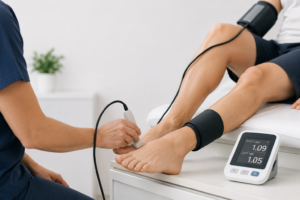
Many vascular diseases develop silently over time. Conditions such as peripheral artery disease (PAD), varicose veins, and deep vein thrombosis (DVT) can worsen without early detection.
3. Enhances Mobility and Quality of Life
Good circulation keeps your muscles and tissues functioning properly. Poor vascular health can lead to leg pain, swelling, fatigue, and even difficulty walking.
Common Vascular Diseases to Look For
Understanding the most common vascular diseases can help you identify symptoms early and seek timely care. Some of these vascular diseases are commonly found and easily identifiable; others are not. Here are some of the common vascular diseases to look for.
Peripheral Artery Disease (PAD)
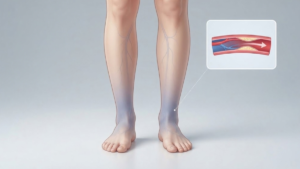
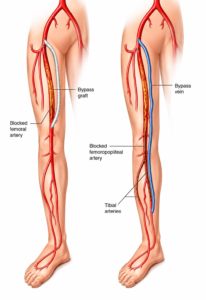
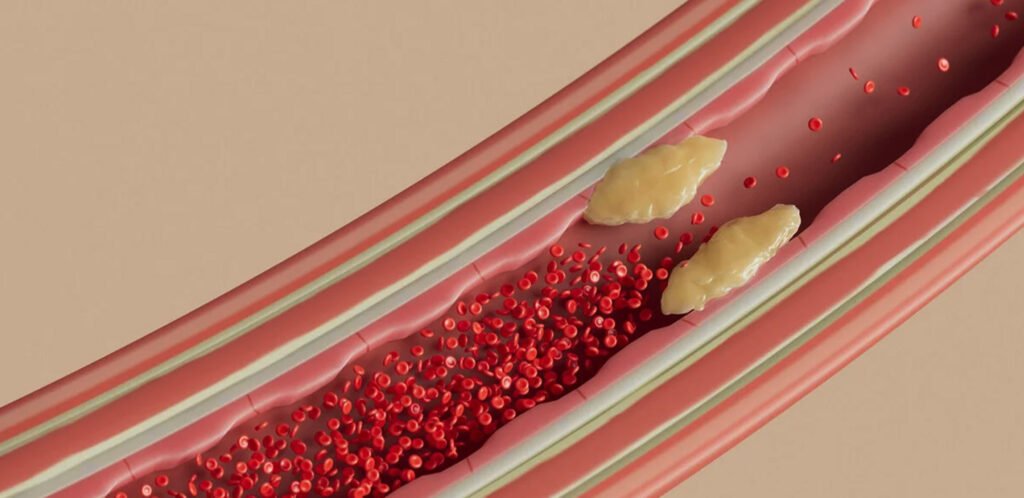
A condition where arteries narrow due to plaque buildup, reducing blood flow to the limbs. Symptoms often include leg pain while walking.
Chronic Venous Insufficiency (CVI)
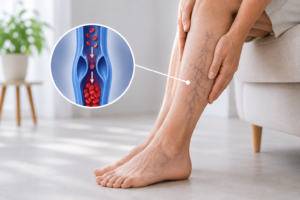
Occurs when veins struggle to send blood back to the heart, leading to swelling, skin changes, and varicose veins.
Deep Vein Thrombosis (DVT)
A serious condition involving blood clots in deep veins, typically in the legs. If untreated, it can lead to life-threatening complications like pulmonary embolism.
Risk Factors That Affect Vascular Health
Several lifestyle and medical factors can negatively impact your vascular system:
- Smoking
- High blood pressure
- Diabetes
- High cholesterol
- Obesity
- Sedentary lifestyle
The good news? Many of these are preventable or manageable with the right habits.