
Hearing that you may lose a toe, foot, or leg is frightening. It can feel as if someone has already made the decision for you. Yet in many cases, you still have time to ask an important question: has anyone explored every option to save the limb?
A vascular second opinion can answer that question. For many people with poor circulation, modern treatments can restore blood flow and help wounds heal. This guide explains why a vascular second opinion matters, what a specialist will look for, and how to get one quickly.
Why Amputations Happen
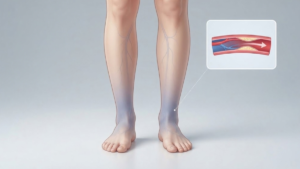
Most leg amputations in the United States relate to poor blood flow, diabetes, or both. The most common blood flow problem is peripheral artery disease (PAD). PAD narrows the arteries that carry blood to the legs and feet.
In its most severe form, PAD becomes chronic limb threatening ischemia (CLTI). With CLTI, the foot does not get enough blood to stay healthy. Signs include:
- Burning foot pain at rest, often worse at night
- Sores or wounds that do not heal
- Black or dark tissue, known as gangrene
- Serious foot infections
Smoking, kidney disease, and older age raise the risk as well. Diabetes adds to the risk. It can damage nerves, so small injuries go unnoticed. It also slows healing and raises the chance of infection.
Why a Vascular Second Opinion Matters
A wound cannot heal without good blood flow. Antibiotics, dressings, and even minor surgery may fail if the foot lacks enough circulation. For this reason, checking blood flow is a key step before any major amputation.
A study of Medicare patients from 2000 to 2010 looked at amputations not caused by injury. About one in three of these patients had no artery testing of any kind in the year before surgery. Without these tests, a doctor cannot know whether blood flow could improve.
A vascular specialist focuses on the arteries and veins. This expert can judge whether a blocked artery is fit to open or bypass. Guidelines from vascular and cardiology groups advise that people with CLTI see a vascular specialist for this review. In many cases, restoring blood flow gives the foot a real chance to heal.
The Stakes Are High
A major amputation changes daily life in lasting ways. Many people lose some independence and need help with walking and self care. Studies also show high death rates in the years after a major amputation, especially among older adults with PAD. Saving the limb, when possible, can protect both mobility and long life.
What a Vascular Specialist Will Check
A second opinion visit should include a full review of your blood flow, wound, and overall health. Bring all your records, imaging, and a list of medicines. The visit may take an hour or more. Plan your day with that in mind. Your specialist may order the following tests.
Blood Flow Tests
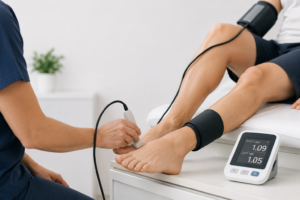
- Ankle brachial index (ABI): This test compares blood pressure in your ankle and arm.
- Toe pressures: These give a more accurate reading in people with diabetes or kidney disease, whose ankle arteries may be stiff.
- Duplex ultrasound: This scan shows blood flow and blockages in the leg arteries.
- Angiography: CT, MR, or catheter imaging creates a detailed map of your arteries.
Wound and Infection Review
The specialist will examine the wound closely. They will look at its size and depth and check for exposed bone. They will also check for spreading infection. An MRI or other imaging may help find infection in the bone.
Limb Salvage Options to Ask About
Limb salvage means using every reasonable treatment to save as much of the leg and foot as possible. A strong limb salvage plan often combines several treatments.
Opening Blocked Arteries
Your specialist may suggest a minimally invasive catheter treatment. Options include a balloon, a stent, or a device that shaves away plaque. These tools work from inside the artery through a tiny puncture. Many patients go home the same day or the next day.
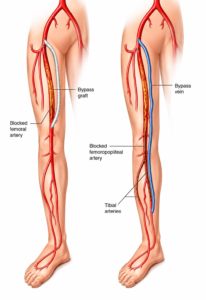
For some patients, open bypass surgery offers the best result. The surgeon creates a new path for blood around the blockage. A bypass using your own vein can deliver strong, lasting blood flow to the foot.
Advanced Wound Care
Once blood flow improves, wound care helps the tissue heal. This may include removal of dead tissue, special dressings, and treatment of infection. Taking pressure off the wound also matters. Special shoes, boots, or casts help the wound close. In selected cases, doctors may add treatments such as hyperbaric oxygen therapy.
A Team Approach
The best results often come from a team. This team may include a vascular surgeon, podiatrist, infectious disease doctor, wound care nurse, and diabetes specialist. Each expert handles one piece of the healing process. Regular team meetings help everyone share updates and adjust the plan quickly.
When Amputation May Still Be the Right Choice
A second opinion does not always lead to a different answer. Sometimes, amputation is the safest choice. This may be true when:
- A severe infection threatens your life
- Too much tissue has died to save the foot
- Doctors cannot open or bypass the blocked arteries
- Your overall health makes other treatments unsafe
- Pain remains severe, and other treatments have failed
Even then, a vascular review has value. Improving blood flow before surgery may allow a smaller amputation, such as a toe instead of a foot. It can also help the surgical wound heal better. People with a smaller amputation often walk better afterward.
Life After Limb Salvage Treatment
Healing takes time. A foot wound may need several weeks or even months to close. During this time, you will likely visit your care team often. Your team will check the wound, your blood flow, and any signs of infection.
Most patients need ongoing care to protect the limb:
- Take your medicines, such as statins and antiplatelet drugs, every day.
- Stop smoking and avoid all tobacco.
- Keep your blood sugar in your target range.
- Wear the shoes or boots your team recommends.
- Check your feet daily and report any new sore right away.
- Keep your ultrasound checkups. Treated arteries can narrow again.
How to Get a Vascular Second Opinion Quickly
Time matters with CLTI. Wounds and infections can worsen within days. Take these steps as soon as possible:
- Ask your doctor for a referral to a vascular specialist or limb salvage center.
- Request copies of your records, test results, and imaging.
- Call the specialist’s office and explain that you face a possible amputation.
- Ask whether the office can review your images before the visit.
- Write down your questions before the visit.
- Bring a family member or friend for support.
Medicare Part B covers a second opinion before surgery that is not an emergency. Most private plans do too. Check your plan for any referral rules.
Questions to Ask
- Has anyone tested the blood flow in my leg?
- Can you open or bypass my blocked arteries?
- What are the chances my wound will heal with treatment?
- If I need an amputation, can it be smaller?
- What will my recovery look like?
When You Should Not Wait
Some situations need emergency care right away. Go to the nearest emergency room if you have a high fever, chills, confusion, or rapidly spreading redness. The same applies to a foot that suddenly turns cold, pale, and numb. A serious infection can become life threatening within hours. In these cases, doctors must act fast to protect your life.
Frequently Asked Questions
Will getting a second opinion delay my care?
A good vascular team can often see urgent patients within days. Tell the office about your situation so they can schedule you promptly.
Is it rude to ask for a second opinion?
No. Most doctors welcome a second opinion for a big decision. Your health and your limb deserve a careful review.
What is a limb salvage center?
A limb salvage center brings several specialists together to prevent amputation. The team often includes vascular surgeons, podiatrists, and wound care experts. Many centers can test blood flow and treat blockages in the same place.
Does insurance cover limb salvage treatment?
Medicare and most private plans cover tests and treatments to save a limb when they are medically necessary. Ask your care team to confirm your coverage before treatment.
Can a vascular second opinion help if I have diabetes?
Yes. People with diabetes often have blockages in the smaller arteries below the knee. Vascular specialists can treat many of these blockages.
The Bottom Line
An amputation is a big decision that you cannot undo. Before you agree to one, make sure a vascular specialist has checked your blood flow. A vascular second opinion can reveal limb saving options you may not know exist. Even when amputation remains necessary, a vascular review can lead to a better outcome. Act quickly, ask questions, and seek the care your legs deserve.
This article is for general education only. It does not replace advice from your own doctor. If you have signs of a serious infection or a sudden cold, painful foot, seek emergency care right away.
Sources
- Conte MS, Bradbury AW, Kolh P, et al. Global Vascular Guidelines on the Management of Chronic Limb Threatening Ischemia. Journal of Vascular Surgery. 2019.
- Gornik HL, Aronow HD, Goodney PP, et al. 2024 ACC/AHA Guideline for the Management of Lower Extremity Peripheral Artery Disease. Circulation. 2024.
- Vemulapalli S, Greiner MA, Jones WS, et al. Peripheral Arterial Testing Before Lower Extremity Amputation Among Medicare Beneficiaries, 2000 to 2010. Circulation: Cardiovascular Quality and Outcomes. 2014.
- Jones WS, Patel MR, Dai D, et al. High Mortality Risks After Major Lower Extremity Amputation in Medicare Patients With Peripheral Artery Disease. American Heart Journal. 2013.
- Medicare.gov. Your Medicare Coverage: Second Surgical Opinions.