Varicose veins and spider veins affect millions of adults. For some people, they are mainly a cosmetic concern. For others, they cause aching, heavy legs, swelling, and skin changes. Most modern vein treatments take place in a doctor’s office and take little time.
Two of the most common options are vein ablation and sclerotherapy. Both close problem veins so blood can reroute through healthy ones. However, they work in different ways and treat different types of veins. This guide compares ablation vs sclerotherapy so you can have an informed talk with your vein specialist.
Understanding Vein Disease
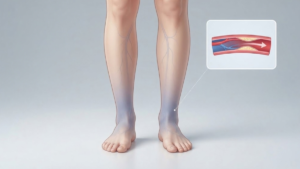
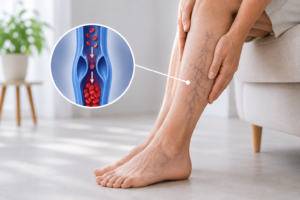
Healthy leg veins have small one way valves. These valves keep blood moving up toward the heart. When the valves weaken, blood flows backward and pools in the legs. Doctors call this problem venous reflux or chronic venous insufficiency.
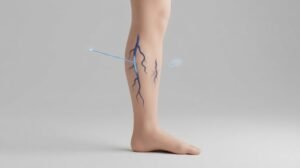
Over time, pooled blood stretches the veins. This leads to varicose veins, which look twisted and bulging. Spider veins are smaller, thin red or purple lines close to the skin surface. Common symptoms of vein disease include:
- Aching, heavy, or tired legs
- Swelling in the ankles, often worse at night
- Leg cramps or restless legs
- Itching or burning over the veins
- Skin darkening or thickening near the ankles
- Open sores, called venous ulcers, in advanced cases
What Is Vein Ablation?
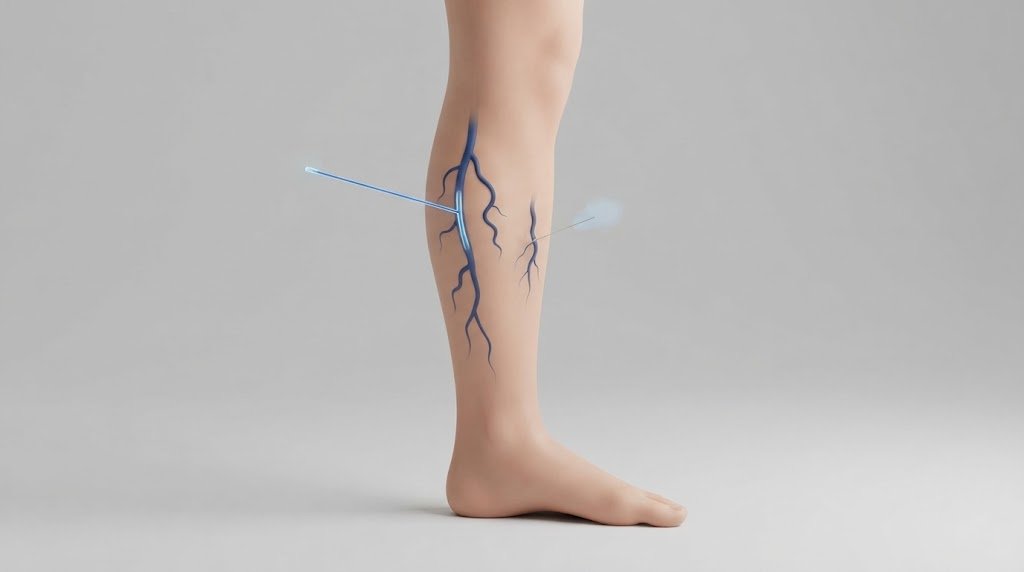
Vein ablation closes a large, faulty vein from the inside. Doctors use it mainly for the great and small saphenous veins. These large surface veins run along the inner leg and the back of the calf. Reflux in these veins often drives the varicose veins you can see.
How Ablation Works
Your doctor first numbs a small spot on your leg. Guided by ultrasound, they place a thin catheter into the faulty vein. After that, they inject numbing fluid around the vein. The doctor then closes the vein using one of these methods:
- Radiofrequency ablation: Heat from radio waves seals the vein wall.
- Laser ablation: Laser energy heats and closes the vein.
- Medical adhesive: A special glue seals the vein without heat.
- Mechanochemical ablation: A rotating wire plus a medicine closes the vein without heat.
The procedure usually takes under an hour. Most people walk out of the office right after and return to normal activities within a day or two.
Benefits and Risks of Ablation
Thermal ablation has high success rates for closing diseased saphenous veins. It treats the root cause of many varicose veins. It also leaves only a tiny puncture mark.
Side effects are usually mild. These include bruising, soreness, and a pulling feeling along the treated vein. Less common risks include skin burns, nerve irritation, and blood clots. Your doctor will usually check your leg with ultrasound after the procedure to rule out a clot.
Who Is a Good Candidate for Ablation?
Ablation often suits people who have leg symptoms and a duplex ultrasound that shows reflux in a saphenous vein. Your doctor may delay treatment if you are pregnant or have an active blood clot. People who cannot walk well may also need a careful review, since walking after the procedure helps prevent clots.
What Is Sclerotherapy?
Sclerotherapy treats smaller veins with injections. The doctor uses a very fine needle to inject a medicine called a sclerosant into the vein. This medicine irritates the vein lining and causes it to close. Over the next few weeks, your body absorbs the closed vein.
Liquid and Foam Sclerotherapy
Liquid sclerotherapy works best for spider veins and small reticular veins. These are the thin blue veins just under the skin.
Foam sclerotherapy mixes the medicine with air or gas to create a foam. The foam pushes blood aside and stays in contact with the vein wall longer. For this reason, doctors can use foam for larger varicose veins. Ultrasound guided foam can even treat some deeper or twisting veins that a catheter cannot reach.
Benefits and Risks of Sclerotherapy
Sclerotherapy needs no anesthesia and takes about 15 to 30 minutes. You can usually walk and return to your routine the same day. In addition, many people need two or more sessions for the best results.
Common side effects include itching, bruising, and small red bumps at the injection sites. Some people develop brown skin staining or a network of tiny new veins called matting. However, these often fade over months. Rare risks include skin injury, allergic reaction, and blood clots.
Who Is a Good Candidate for Sclerotherapy?
Sclerotherapy works well for people with spider veins, small varicose veins, or veins left after ablation. Doctors usually wait until after pregnancy and breastfeeding to treat. You may not be a good fit if you have an active blood clot or an allergy to the medicine.
Ablation vs Sclerotherapy: Key Differences
Both treatments close unhealthy veins, but each fits a different job. The list below sums up the main contrasts in plain terms.
- Best for: Ablation suits large saphenous veins with reflux. Sclerotherapy suits spider veins, reticular veins, and many smaller varicose veins.
- Method: Ablation uses a catheter with heat, glue, or a special wire. Sclerotherapy uses injections of liquid or foam.
- Numbing: Ablation needs local numbing medicine. Sclerotherapy usually needs none.
- Sessions: Ablation often treats one vein in a single visit. Sclerotherapy often needs several visits.
- Main goal: Ablation corrects the source of reflux. Sclerotherapy clears the visible veins that remain.
- Insurance: Plans often cover ablation for veins that cause symptoms. They rarely cover sclerotherapy for spider veins alone, since plans view it as cosmetic.
Why Many Patients Need Both
The debate over ablation vs sclerotherapy often misses one point. For many people, the two treatments work best as a team.
Suppose your great saphenous vein leaks. That leak feeds the bulging varicose veins lower in your leg. If you only inject those surface veins, they are likely to return because the source remains. A better plan starts with ablation to close the leaking vein. After that, sclerotherapy can clear the smaller branches that remain.
Your doctor may also suggest a minor surgery called ambulatory phlebectomy. In this procedure, the doctor removes bulging veins through tiny nicks in the skin.
How Your Specialist Chooses a Treatment
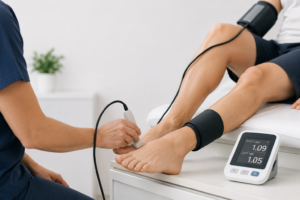
A proper vein exam always starts with a duplex ultrasound. This painless scan shows how blood flows in your veins. It also reveals whether your valves leak and by how much.
Your specialist will then look at several factors:
- The size and location of the problem veins
- Whether reflux affects your saphenous veins
- Your symptoms and how they affect daily life
- Past blood clots or other health problems
- Your goals, whether medical relief or cosmetic change
- Insurance rules and costs
Many insurance plans ask patients to try compression stockings for a set period before they approve ablation. Your vein clinic can explain your plan’s rules.
How to Prepare for Your Vein Treatment
A little preparation can make your visit go smoothly. Your vein team will give you specific instructions. In general, you can expect the following:
- Wear loose, comfortable clothing to your appointment.
- Bring your compression stockings if your doctor prescribed them.
- Skip lotion on your legs on the day of treatment.
- Share a full list of your medicines, including blood thinners.
- Ask whether you should eat normally before the visit.
Most people can drive themselves home after sclerotherapy. After ablation, some clinics prefer that you bring a driver, especially if you receive a sedative.
What Recovery Looks Like
In general, recovery is quick for both procedures. Most doctors ask you to walk right away, since walking keeps blood moving and lowers clot risk. You will likely wear compression stockings for a period after treatment.
Avoid heavy lifting, hot baths, and long flights for a short time afterward, unless your doctor gives other advice. Report any calf swelling, chest pain, or shortness of breath at once.
Frequently Asked Questions
Which is more painful, ablation or sclerotherapy?
Both cause only mild discomfort for most people. Ablation involves a few numbing injections. Sclerotherapy involves several tiny needle sticks with little or no numbing.
How soon will I see results?
Spider veins often fade over three to six weeks after sclerotherapy. Larger veins may take three to four months. After ablation, many people notice less aching and heaviness within a few weeks.
Can varicose veins come back after treatment?
Treated veins rarely reopen, but new veins can form over time. Healthy habits and regular checkups help control new problems.
Is sclerotherapy enough for large varicose veins?
Sometimes, especially with foam. Still, if a large saphenous vein leaks, ablation usually gives a more lasting result.
The Bottom Line
When you compare ablation vs sclerotherapy, remember that each has a clear role. Ablation treats large leaking veins at the source. Sclerotherapy clears smaller varicose and spider veins. Many patients get the best results from a mix of both. A duplex ultrasound and a visit with a vein specialist will show which vein treatment fits your legs and your goals.
This article is for general education only. It does not replace advice from your own doctor or vein specialist.
Sources
- Gloviczki P, Lawrence PF, Wasan SM, et al. The 2022 Society for Vascular Surgery, American Venous Forum, and American Vein and Lymphatic Society Clinical Practice Guidelines for the Management of Varicose Veins of the Lower Extremities. Part I. Journal of Vascular Surgery: Venous and Lymphatic Disorders. 2023.
- Gloviczki P, Lawrence PF, Wasan SM, et al. The 2023 Society for Vascular Surgery, American Venous Forum, and American Vein and Lymphatic Society Clinical Practice Guidelines for the Management of Varicose Veins of the Lower Extremities. Part II. Journal of Vascular Surgery: Venous and Lymphatic Disorders. 2024.
- De Maeseneer MG, Kakkos SK, Aherne T, et al. European Society for Vascular Surgery 2022 Clinical Practice Guidelines on the Management of Chronic Venous Disease of the Lower Limbs. European Journal of Vascular and Endovascular Surgery. 2022.