Peripheral artery disease (PAD) often develops quietly. Plaque slowly narrows the arteries in the legs, and many people feel no symptoms at first. Others dismiss leg pain as a normal part of aging. As a result, PAD often goes undiagnosed until it causes serious problems.
PAD screening can find the disease early, often with a simple and painless test. Early detection matters because people with PAD face a higher risk of heart attack, stroke, and limb loss. This guide explains who may benefit from PAD screening, how the test works, and what your results mean.
What Is Peripheral Artery Disease?
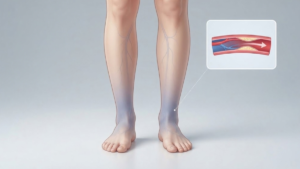
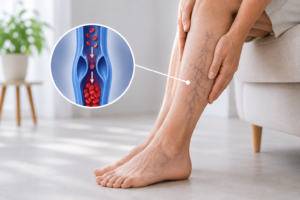
PAD happens when fatty plaque builds up in the arteries outside the heart, most often in the legs. This buildup, called atherosclerosis, limits blood flow to the leg muscles and feet.
The same process that affects leg arteries often affects the heart and brain arteries too. For this reason, doctors view PAD as a warning sign for the whole body. Millions of Americans live with PAD, and many do not know they have it.
Common Symptoms
When PAD causes symptoms, they may include:
- Cramping, aching, or tiredness in the calves, thighs, or hips during walking
- Leg pain that goes away with rest
- Cold feet or a change in skin color
- Slow growing toenails and hair loss on the legs
- Sores on the toes or feet that heal slowly
- Weak or missing pulses in the feet
Many people with PAD have no leg symptoms at all. Some have symptoms that do not match the classic pattern. This is why PAD screening for people at higher risk makes sense.
Why Early PAD Screening Matters
PAD is more than a leg problem. People with PAD are more likely to have blocked arteries in the heart and neck. Finding PAD gives your doctor a reason to treat these risks more closely.
Early care helps in several ways. Statins, blood pressure control, and quitting smoking can lower the chance of a heart attack or stroke. A daily foot check can catch small sores before they turn into serious wounds. A structured walking program can also help you stay active and independent.
Many people with PAD never get a diagnosis. A simple test can change that.
Who Should Get PAD Screening?
Major medical groups agree that some people face a higher risk of PAD than others. The 2024 guideline from the American College of Cardiology and American Heart Association lists groups at increased risk. For these people, doctors consider an ankle brachial index (ABI) test a reasonable step.
Adults 65 and Older
Age is one of the strongest risk factors for PAD. The guideline includes all adults age 65 and older in the increased risk group, even without other risk factors. Your chance of PAD keeps rising with each decade of life.
Adults 50 to 64 With Risk Factors
People in this age range face a higher risk if they have one or more of these conditions:
- Diabetes
- A current or past smoking habit
- High cholesterol
- High blood pressure
- Chronic kidney disease
- A family history of PAD
Adults Under 50 With Diabetes
Diabetes speeds up damage to blood vessels. Adults under 50 who have diabetes plus at least one other risk factor for atherosclerosis also fall into the increased risk group.
People With Artery Disease Elsewhere
PAD often travels with plaque in other arteries. You face a higher risk if you have known disease in another artery bed. Examples include coronary artery disease, narrowing of a neck artery, or an abdominal aortic aneurysm.
What Other Groups Say
The American Diabetes Association supports PAD screening for many adults with diabetes as well. This includes people with diabetes who are older, who smoke, or who have had diabetes for many years. The same advice covers people with nerve damage, foot problems, or kidney or eye damage from diabetes.
What the Evidence Says About Routine Screening
Not every group recommends screening all adults. In 2018, the US Preventive Services Task Force (USPSTF) reviewed PAD screening for adults with no symptoms. The task force found too little evidence to judge the balance of benefits and harms. It did not recommend for or against routine screening.
These views do not fully conflict. The USPSTF looked at the general public with no symptoms. By contrast, the cardiology guideline focuses on people with known risk factors. For them, finding PAD can change treatment in helpful ways. Talk with your doctor about your personal risk.
How PAD Screening Works
The main PAD screening test is the ankle brachial index. It is quick, painless, and noninvasive. Most ABI tests take about 15 to 30 minutes.
Preparing for Your ABI Test
The ABI needs little preparation. Wear loose clothing so the technician can reach your arms and ankles. Many centers ask you to avoid tobacco and caffeine for a few hours before the test, since both can affect blood pressure. Tell the staff if you have a wound, a blood clot, or recent surgery on an arm or leg.
During the Test
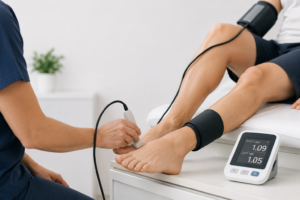
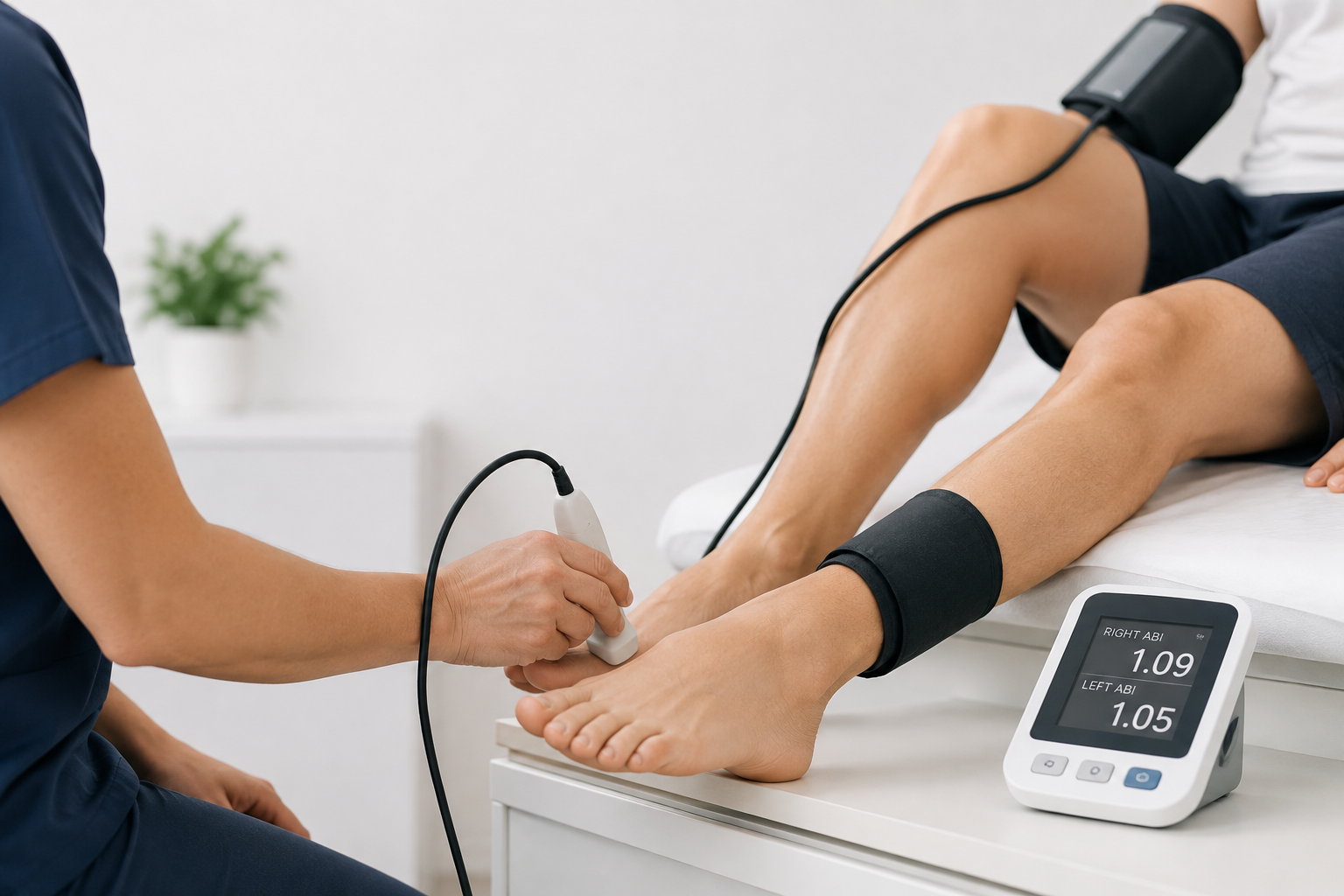
You lie on your back and rest for a few minutes. A technician places blood pressure cuffs on your arms and ankles. Next, the technician uses a small handheld ultrasound device, called a Doppler, to listen to blood flow. The technician then measures the pressure in each arm and ankle.
The ABI equals your ankle pressure divided by your arm pressure. A lower number means less blood reaches your legs.
Other Tests Your Doctor May Order
Some people need more testing. People with diabetes or kidney disease can have stiff arteries that give a falsely high ABI. In these cases, a toe pressure test gives a more accurate reading.
If your resting ABI looks normal but you have leg pain with walking, your doctor may order an exercise ABI. This test repeats the measurement after you walk on a treadmill. A duplex ultrasound can also show the exact location of blockages.
Understanding Your ABI Results
Doctors generally read ABI results as follows:
- 1.00 to 1.40: Normal
- 0.91 to 0.99: Borderline
- 0.90 or lower: Abnormal, which points to PAD
- Above 1.40: Stiff arteries that the cuff cannot fully squeeze, so you need more testing
Your doctor will explain what your number means for you. A lower ABI generally means more severe disease.
What Happens If You Have PAD
A PAD diagnosis may sound scary. However, finding it early gives you a chance to protect your heart, brain, and legs. Treatment often includes:
- Quitting smoking: This is one of the most helpful steps you can take.
- Medicines: Statins lower cholesterol. Antiplatelet drugs lower the risk of heart attack and stroke. Some people also benefit from other medicines.
- Exercise: A structured walking program can help you walk farther with less pain.
- Health management: Good control of blood pressure and blood sugar protects your arteries.
- Foot care: Daily foot checks help catch small problems early.
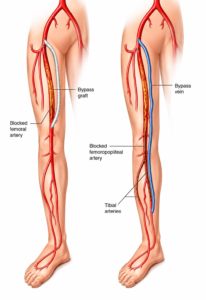
Your doctor may refer you to a vascular specialist for a full review. Some people with severe PAD need a procedure to restore blood flow. Options include angioplasty, stenting, atherectomy, and bypass surgery.
Questions to Ask Your Doctor
Bring these questions to your next visit:
- Am I at increased risk for PAD?
- Should I have an ABI test?
- Could my leg pain come from my arteries?
- Does my insurance cover PAD testing?
- What do my results mean for my heart health?
- What can I do now to lower my risk?
Frequently Asked Questions
Does Medicare cover PAD screening?
Medicare does not list PAD screening as a separate preventive benefit. However, Medicare usually covers ABI testing when you have symptoms or signs of PAD. Check with your plan for details.
Is the ABI test painful?
No. The test feels like a normal blood pressure check. The cuff may squeeze tightly for a few seconds on each limb.
Do women need PAD screening?
Yes. PAD affects both women and men. Women with PAD often have mild or unusual leg symptoms, so doctors may miss the disease. The same risk groups apply to women.
Where can I get an ABI test?
Many primary care offices, heart clinics, and vascular labs offer ABI testing. Ask your doctor for a referral if your office does not have the equipment.
How often should I repeat the test?
There is no fixed schedule for everyone. Your doctor will decide based on your results, symptoms, and risk factors.
Can I prevent PAD?
You can lower your risk by not smoking, staying active, eating a healthy diet, and controlling blood pressure, cholesterol, and blood sugar.
The Bottom Line
PAD screening is simple, quick, and painless. Adults 65 and older, adults 50 to 64 with risk factors, and younger adults with diabetes and another risk factor may benefit most. People with artery disease in other parts of the body should also ask about testing. If you fall into one of these groups, ask your doctor whether PAD screening is right for you.
This article is for general education only. It does not replace advice from your own doctor or vascular specialist.
Sources
- Gornik HL, Aronow HD, Goodney PP, et al. 2024 ACC/AHA Guideline for the Management of Lower Extremity Peripheral Artery Disease. Circulation. 2024.
- US Preventive Services Task Force. Screening for Peripheral Artery Disease and Cardiovascular Disease Risk Assessment With the Ankle Brachial Index: Recommendation Statement. JAMA. 2018.
- American Diabetes Association Professional Practice Committee. Standards of Care in Diabetes: Retinopathy, Neuropathy, and Foot Care. Diabetes Care. 2025.