As fall turns to winter, daily routines shift. Evenings get dark early, outdoor walks lose their appeal, and more hours pass on the couch or at a desk. For many people, step counts quietly drop for months at a time. Your veins notice that change, even when you do not.
Movement plays a direct role in how blood travels through your legs. A sedentary season can increase swelling, heaviness, and aching, and it can raise the risk of blood clots. Fortunately, small and simple habits can protect your vein health, even when the weather keeps you indoors.
How Your Leg Veins Move Blood
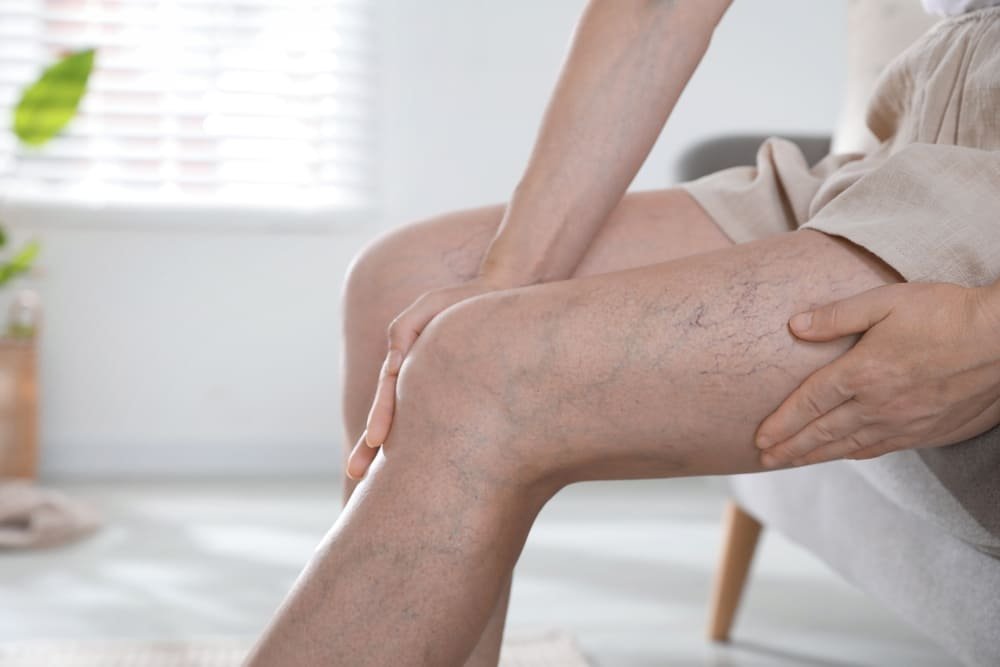
Your heart pushes blood down to your legs through the arteries. Getting that blood back up is harder. Leg veins must move blood upward against gravity, and they need help to do it.
Two systems make this work. First, small valves inside the veins act like one way doors. They open to let blood move toward the heart and close to stop it from flowing backward. Second, the calf muscles act as a pump. Each time you walk or flex your ankle, the calf muscles squeeze the deep veins and push blood upward. For this reason, many experts call the calf muscle the second heart.
When you sit still for long periods, that pump barely works. Blood moves more slowly, and pressure builds in the lower legs.
What Happens When You Move Less
Short periods of rest cause no harm. Long stretches of sitting, day after day, are a different story.
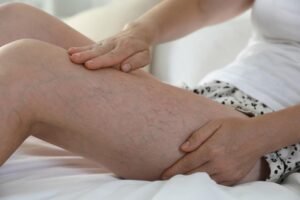
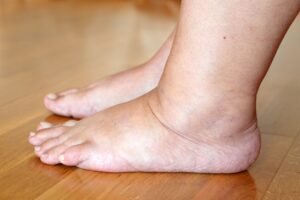
Without regular calf muscle action, blood tends to pool in the lower legs. Higher pressure inside the veins stretches their walls and strains the valves. Fluid can then leak into nearby tissue and cause swelling around the ankles. Many people notice their socks leave deep marks by evening, or their shoes feel tight after a long day of sitting.
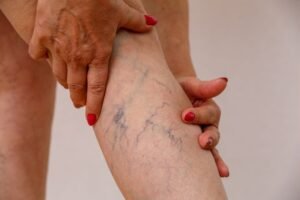
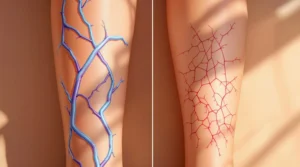
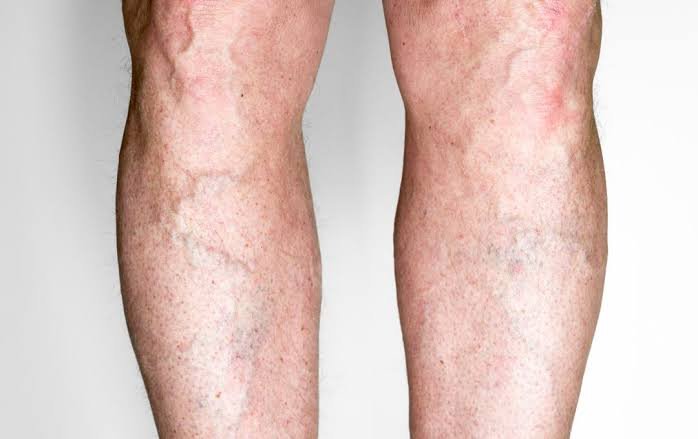
Over time, this steady pressure can worsen existing vein problems. People who already have varicose veins or chronic venous insufficiency often feel more aching, heaviness, and leg cramps during inactive months. Skin around the ankles may also become dry, itchy, or discolored.
Why Fall and Winter Change Our Habits
Several seasonal factors push people toward a less active lifestyle:
- Shorter days leave less daylight for walks after work
- Cold, rain, and icy sidewalks discourage outdoor exercise
- Holiday travel often means long hours in cars and planes
- Football games, movies, and family gatherings encourage long sitting sessions
- Heavier comfort foods and seasonal weight gain add pressure on leg veins
Studies also show that physical activity tends to drop in colder months. Even a modest decline, sustained over a whole season, can affect how your legs feel.
Sitting Too Long and the Risk of Blood Clots
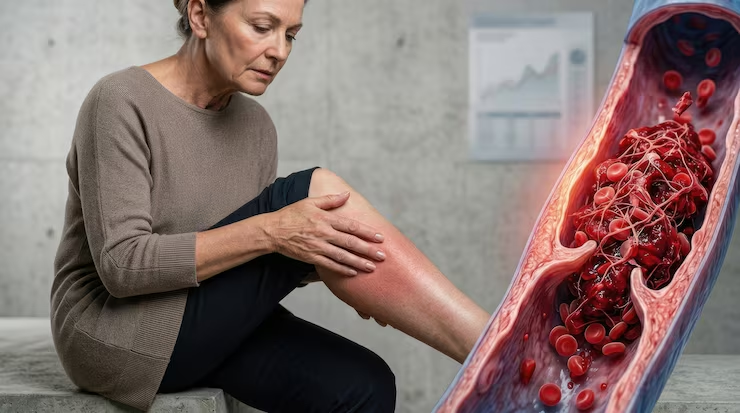
The biggest concern with prolonged sitting is deep vein thrombosis, or DVT. This is a blood clot that forms in a deep vein, usually in the calf or thigh. Slow blood flow is one of the main factors that allow clots to form.
DVT risk rises with long periods of immobility, such as car trips or flights lasting several hours. Other risk factors include recent surgery, cancer, pregnancy, hormone therapy, obesity, older age, and a personal or family history of clots. A clot can break loose and travel to the lungs. This is called a pulmonary embolism, and it is a medical emergency.
Watch for warning signs in one leg, including swelling, pain or tenderness, warmth, and redness. Seek emergency care right away for sudden shortness of breath, chest pain, or coughing up blood.
Simple Ways to Keep Your Veins Healthy Indoors
You do not need a gym membership to protect your veins. Frequent, light movement matters more than occasional intense workouts.
Break up sitting time. Stand up and walk for a few minutes every 30 to 60 minutes. Set a phone reminder if needed.
Work your calves while seated. Point and flex your feet, or rise up on your toes and lower your heels. Repeat ten to fifteen times, several times a day.
Walk indoors. Use a treadmill, walk laps at a mall, or take the stairs at home. Short walks spread through the day add up.
Elevate your legs. Raise your legs above heart level for 15 to 20 minutes in the evening to help drain pooled blood.
Stay hydrated. Drink water regularly, since dry indoor air and weaker thirst in cool weather can leave you low on fluids.
Tips for Long Holiday Car Rides and Flights
Holiday travel often means sitting still for hours. A few simple steps can help keep blood moving during the trip.
On a road trip, plan a stop every one to two hours. Get out of the car and walk for a few minutes. Stretch your calves and roll your ankles before you get back in. If you are a passenger, flex your feet and tighten your calf muscles often while you ride.
On a flight, choose an aisle seat when you can. It makes standing up and walking much easier. Do ankle circles and foot pumps while seated, and stand in the aisle when the seat belt sign is off. Avoid crossing your legs for long periods.
Drink water during the trip, and limit alcohol, which can leave you dehydrated. Wear loose, comfortable clothing. If you have a higher risk of blood clots, talk with your doctor before you travel. They may recommend compression stockings or other steps based on your health.
Small Goals That Keep You Moving All Winter
Big fitness plans often fade by January. Small, steady goals tend to last longer. Start with something you can do almost every day, even on busy or cold days.
For example, aim to add 1,000 steps to your daily average. Take a short walk after dinner, even if it is just around your home. Park farther from store entrances. Use the stairs instead of the elevator when you can.
Tracking your progress can help. A simple step counter or phone app shows how much you move each day. Many people find that seeing the numbers keeps them motivated. Pairing movement with something you enjoy also helps. Listen to music, a podcast, or call a friend while you walk.
Remember that any movement counts. Ten minutes of walking three times a day gives your calf muscles regular work and keeps blood flowing. Over a full season, those small sessions add up to a real difference for your veins.
Compression Stockings Can Help
Graduated compression stockings apply gentle pressure that is strongest at the ankle. This support helps veins move blood upward and reduces swelling. They can be useful during long workdays, holiday travel, or any time you expect to sit for hours.
Compression is not right for everyone. People with poor arterial circulation, such as those with peripheral artery disease, may need a different approach. Ask a vascular specialist which type and pressure level fit your needs.
Habits That Help All Season Long
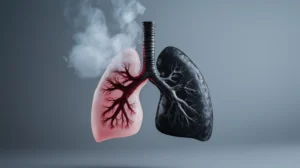
A few broader habits support your veins well beyond winter. Maintaining a healthy weight reduces pressure on leg veins. Eating plenty of fiber helps prevent constipation and straining, which can raise pressure in the abdomen and legs. Avoiding smoking supports the health of your entire circulatory system.
Choose clothing that does not squeeze your waist or thighs, and avoid sitting with your legs crossed for long periods. Even small posture changes help blood move more freely.
When to See a Vein Specialist
Talk with a doctor if your legs often feel heavy, achy, or swollen, especially if symptoms ease when you raise your legs. Other signs worth checking include visible varicose veins, night cramps, itchy skin near the ankles, and brown discoloration on the lower legs.
A duplex ultrasound can show whether your vein valves are working properly. If they are not, minimally invasive treatments can close faulty veins and relieve symptoms, often with little downtime.
Keep Moving Through the Colder Months
A less active season does not have to mean worse vein health. Short walks, regular calf exercises, and smart breaks from sitting keep blood flowing even on the darkest winter days. Pay attention to how your legs feel, and seek help early if swelling or aching becomes part of your routine. Your veins work hard all year, and a little movement goes a long way toward keeping them healthy.
If you already live with varicose veins or chronic venous insufficiency, winter is a good time for a checkup. A vein specialist can review your symptoms, check your valves with ultrasound, and suggest a plan that fits your routine. Start the season with a clear picture of your vein health, and you can reach spring feeling lighter on your feet.