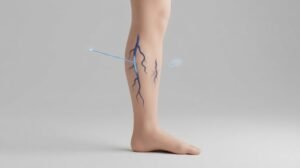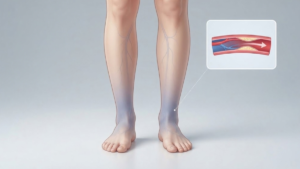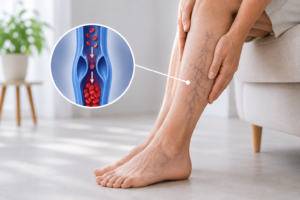
September puts a useful health question on the calendar: are your legs getting the blood flow they need? PAD Awareness Month draws attention to Peripheral Arterial Disease, often shortened to PAD. The condition develops when arteries outside the heart become narrow because plaque builds up inside them. The legs are affected most often. One person may notice calf pain during a walk.
Another may have a colder foot, a change in skin color, or a sore that takes too long to heal. Some people notice nothing at all. That quiet pattern is one reason PAD Awareness matters. PAD can limit walking, but it can also point to a higher risk of heart attack, stroke, and serious limb problems.
Why PAD Can Be Easy to Miss?
Many people expect PAD to cause obvious leg pain. However, symptoms can be mild, unusual, or absent. The best known pattern is aching, cramping, heaviness, or fatigue that starts with activity and improves with rest. Doctors call this claudication. The discomfort may occur in the calf, thigh, hip, buttock, or foot.
Other clues deserve attention. A foot may feel cooler than the other one. Pulses in the feet may feel weak. Skin may look pale or change color. Toenails may grow more slowly, and wounds on the toes or feet may take longer to close. Because joint, nerve, and vein problems can cause similar symptoms, a proper medical assessment matters.
What Raises the Risk of Peripheral Arterial Disease?
Age raises the chance of PAD. The condition can still occur earlier in life. Smoking has a strong link with the disease and can make outcomes worse. Diabetes, high blood pressure, high cholesterol, chronic kidney disease, and known atherosclerosis increase risk.
These risk factors occur in every part of the world. Access to diagnosis and treatment varies widely. For this reason, PAD Awareness has value far beyond a single country or health system. People with limited access to routine care may live with symptoms for longer before they receive a vascular assessment.
How Doctors Check for PAD
A PAD evaluation often starts with a conversation. A clinician may ask about walking symptoms, tobacco use, diabetes, kidney disease, and past heart or blood vessel problems. The physical exam can include checking pulses and looking at the skin, feet, and any wounds.
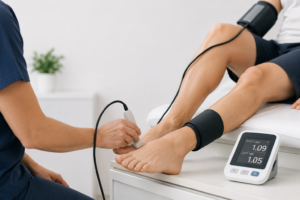
The ankle brachial index, known as the ABI, is a common first test when PAD is suspected. It compares blood pressure at the ankle with blood pressure in the arm. The test does not require surgery or an injection. Depending on the findings, a clinician may use exercise testing, ultrasound, or other imaging to learn more about blood flow.
Treatment Is About More Than Leg Pain
PAD care aims to protect mobility and lower the chance of cardiovascular events. Stopping tobacco use is especially important for people who smoke. Physical activity plays a central role as well. Structured exercise can help many people with symptomatic PAD walk farther and function better.
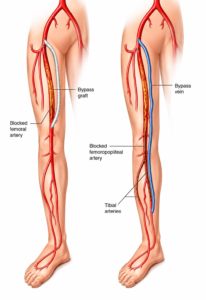
Medicines may be used to manage cholesterol, blood pressure, diabetes, and the risk of blood clots. The exact plan depends on a person’s symptoms and medical history. Some people need a procedure to improve blood flow when symptoms stay severe or when tissue is at risk. In addition, good foot care matters for anyone with diabetes or a wound.
Know When Symptoms Are Urgent
Some circulation problems cannot wait for a routine appointment. Sudden severe pain in a leg or foot, new numbness or weakness, or a limb that becomes cold or pale can mean blood flow has dropped sharply. This needs emergency medical care.
Severe pain in the foot while resting needs prompt review. Blackened tissue or a wound that does not heal needs medical attention too. As a result, people should not wait for these changes to improve on their own. Earlier assessment gives the care team more options to protect tissue and address the cause.
Make PAD Awareness Useful After September
PAD Awareness Month works best when it changes what people notice and what they discuss with their healthcare team. Someone with leg symptoms should describe when they start, what they feel like, and what makes them stop. People with diabetes, a smoking history, kidney disease, or other cardiovascular risks can ask whether their circulation needs further evaluation.
Peripheral Arterial Disease may stay quiet for years, yet its effects can reach well beyond the legs. Paying attention to risk factors, walking changes, and foot health can support earlier care. September is the reminder. PAD Awareness should continue all year.
References
- American Heart Association. 2024 Guideline for the Management of Lower Extremity Peripheral Artery Disease: Top Things to Know.
- Centers for Disease Control and Prevention. About Peripheral Arterial Disease.
- National Heart, Lung, and Blood Institute. Peripheral Artery Disease: Diagnosis.
- National Heart, Lung, and Blood Institute. Peripheral Artery Disease: Symptoms.
- American Heart Association. Health Fair Resources: National Peripheral Artery Disease Awareness Month.