A sudden cramp in the calf can wake anyone from a deep sleep. The muscle tightens hard, the pain feels sharp, and getting back to sleep afterward can take a while. Night leg cramps are common, and most people assume they simply happen without a clear cause. In many cases, however, they point to something specific, and circulation problems are one of the more overlooked reasons behind them.
What Happens During a Night Leg Cramp
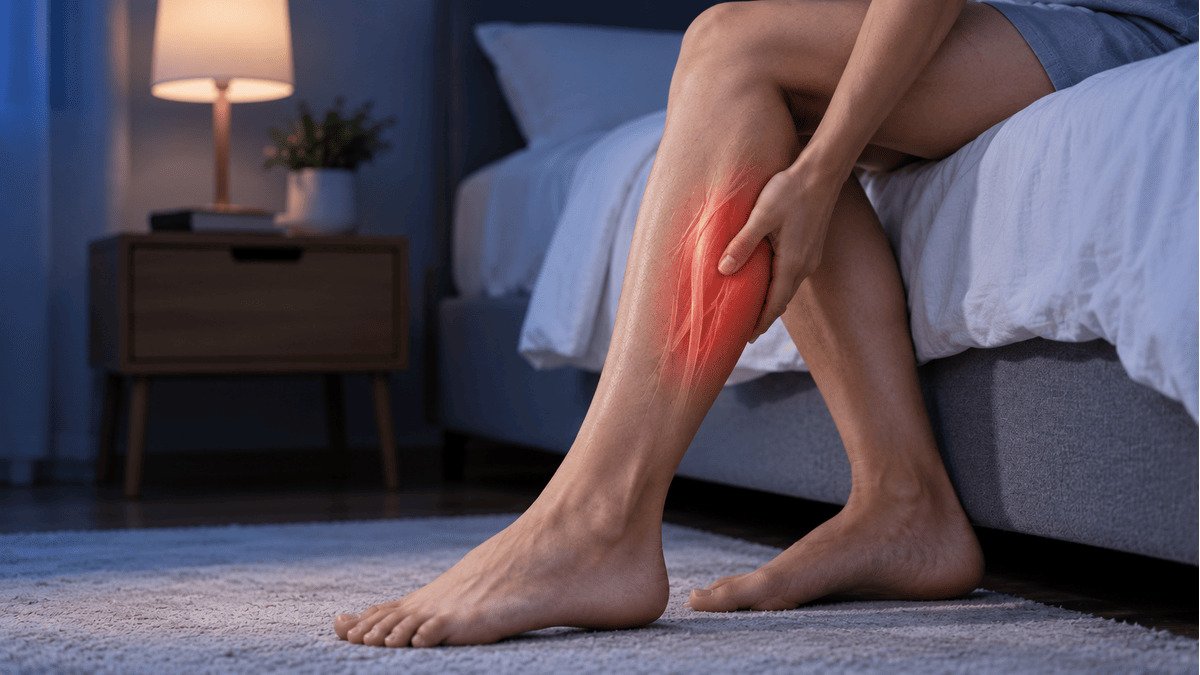
A leg cramp is an involuntary muscle contraction that does not release on its own right away. The calf muscle is the most common site, though cramps can also strike the thigh or foot. The muscle feels rock hard to the touch, and the pain often lasts anywhere from a few seconds to several minutes.
Cramps tend to strike during sleep because the body relaxes and blood flow patterns shift. Muscles that were active during the day suddenly go still for hours, and this stillness can trigger irregular nerve signals in some people. Dehydration, low levels of certain minerals, and prolonged sitting during the day all raise the likelihood of a cramp occurring once the body settles down for rest.
Most cramps resolve within minutes once the muscle is stretched or massaged. The soreness that follows, however, can last into the next day, and frequent episodes often push people to search for an underlying explanation rather than accept the cramps as random.
Common Symptoms of Cramps Linked to Circulation
Cramps caused by circulation problems tend to follow certain patterns that differ from an isolated dehydration related cramp. Recognizing these signs can help someone decide whether the issue deserves medical attention.
Cramps that occur almost nightly rather than occasionally
Cramping paired with leg heaviness or aching earlier in the day
Visible swelling in the ankles or lower legs
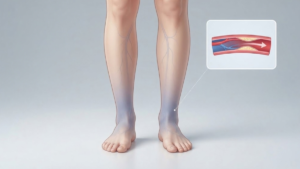
Skin discoloration or a bluish tint around the lower leg
Cramps that improve temporarily with leg elevation
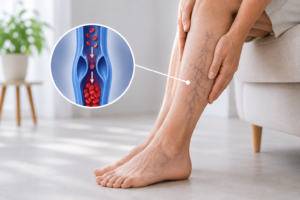
A history of varicose veins or known vein disease
When cramps show up alongside these symptoms, the pattern often points toward a vascular cause rather than a simple muscle spasm. A single symptom alone rarely confirms circulation trouble, but several appearing together is a stronger signal worth discussing with a doctor.
How a Circulation Problem Causes Night Cramps
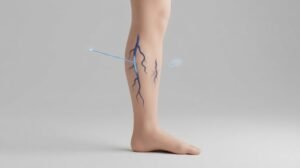
Blood needs to move efficiently in both directions through the legs, flowing down through arteries and back up through veins. When veins do not work properly, blood pools in the lower leg instead of returning to the heart. This pooling raises pressure inside the leg and can irritate nearby nerves and muscle tissue, which sets the stage for cramping once the body lies flat at night.
Lying down actually changes the pressure dynamics in the legs. During the day, gravity pulls blood downward, and standing or walking helps push it back up through calf muscle contractions. At night, that natural pump stops working, and blood already pooled in a vein with poor valve function has fewer options for movement. The result is often a cramp that strikes several hours after lying down.
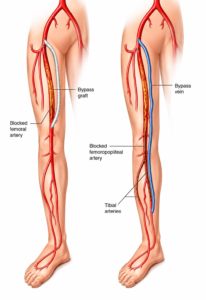
Arterial circulation problems can cause a different type of leg discomfort, sometimes called claudication, which usually appears during activity rather than at rest. True nighttime cramping tends to relate more often to venous return issues than to blocked arteries, though both deserve evaluation when symptoms persist.
Other Common Causes of Night Leg Cramps
Circulation is not the only reason cramps occur at night. Several unrelated factors can trigger the same painful contraction, and ruling these out helps clarify whether a vascular cause is truly at play.
Dehydration ranks among the most common triggers, since muscles depend on proper fluid balance to contract and relax normally. Low levels of magnesium, potassium, or calcium can also disrupt normal muscle signaling. Certain medications, including some blood pressure drugs and diuretics, list muscle cramps as a known side effect.
Pregnancy frequently causes cramps due to hormonal changes and added pressure on leg veins. Long periods of sitting or standing during the day, overexertion during exercise, and even certain nerve conditions can contribute as well. Older adults experience cramps more often overall, partly because muscle mass and circulation efficiency naturally decline with age.
Symptoms of Circulation Trouble Beyond Cramping
Circulation problems rarely announce themselves through cramping alone. Several other symptoms often appear alongside or before nighttime cramps begin, and noticing them early can lead to a faster diagnosis.
Legs that feel heavy or tired by the end of the day
Swelling that worsens with prolonged standing or sitting
Aching or throbbing along visible varicose veins
Skin that feels warm or itchy over certain veins
Slow healing wounds or sores near the ankle
A feeling of tightness in the calf even without a full cramp
These symptoms build gradually in most cases, which is part of why they get overlooked. A person might notice mild ankle swelling for months before connecting it to the cramps that started more recently. Paying attention to the full pattern rather than any single symptom gives a clearer picture of what is actually happening.
When Night Leg Cramps Need Medical Evaluation
Occasional cramps after a long day or an intense workout rarely require medical attention. Certain patterns, however, deserve a closer look from a doctor. Cramps that happen several nights a week, cramps that appear alongside visible vein changes, and cramps paired with swelling that does not improve by morning all fall into this category.
Sudden severe swelling in one leg, especially with redness or warmth, should prompt urgent evaluation, since this combination can indicate a blood clot rather than a routine circulation issue. Cramping that occurs alongside numbness, color changes in the foot, or pain that continues during rest also warrants a vascular workup rather than home remedies alone.
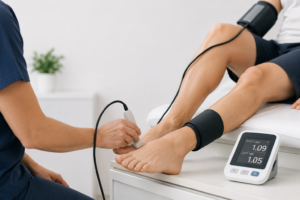
A doctor can use a physical exam along with a venous ultrasound to check how well blood moves through the leg veins. This painless test measures blood flow and reflux, giving a clear answer about whether a vein problem is contributing to the cramps.
Managing Cramps Linked to Circulation
Several practical steps can reduce the frequency of circulation related cramps while a full evaluation is pending or as part of ongoing management.
Elevate the legs above heart level for fifteen to twenty minutes before bed
Wear compression stockings during the day, especially with prolonged standing
Stay well hydrated throughout the day, not only in the evening
Stretch calf muscles gently before sleep
Move around every thirty minutes during long periods of sitting
Avoid crossing the legs for extended stretches while seated
These measures often reduce how often cramps occur, though they do not correct an underlying vein problem on their own. Patients whose cramps stem from valve dysfunction typically need a more direct treatment addressing the affected vein for lasting relief.
Everyday Habits That Reduce Circulation Related Cramps
Beyond compression and elevation, a few daily habits can lower how often cramps interrupt sleep. Regular movement during the day matters most, since calf muscles act as a natural pump that pushes blood upward through the veins. A short walk every hour, even for a few minutes, keeps that pump working rather than letting blood settle in the lower leg.
Footwear plays a role as well. Shoes that fit poorly or lack support can change how weight distributes through the foot and calf, adding strain that shows up later as nighttime cramping. Switching to supportive, well fitted shoes often reduces daytime leg fatigue, which in turn lowers the odds of a cramp striking at night.
Sleep position can matter too. Lying flat with legs completely level keeps blood at the same pressure it reached by evening. Propping the legs slightly with a pillow gives gravity a small assist overnight, which some patients find noticeably reduces how often cramps occur. None of these habits replace a proper diagnosis, but they often reduce discomfort while a full evaluation is arranged.
Tracking Symptoms Before an Appointment
Patients often struggle to describe cramping patterns accurately during a short office visit, which can slow down diagnosis. Keeping a simple log for a week or two before an appointment helps a doctor spot patterns faster. Useful details include the time cramps occur, which leg is affected, how long the pain lasts, and whether swelling or aching was present earlier that day.
Noting daily activity levels, fluid intake, and any medication changes can also help rule out simple causes before moving toward vascular testing. This kind of preparation often shortens the path to an accurate diagnosis and avoids unnecessary testing for causes that a detailed history can already rule out.
Getting to the Root Cause
Night leg cramps deserve more attention than most people give them. A cramp that shows up once in a while after a hard workout rarely signals anything serious. A pattern of frequent cramps, especially alongside swelling, aching, or visible vein changes, points toward a circulation problem that benefits from proper evaluation rather than repeated home remedies.
Identifying the actual cause matters because treatment differs significantly depending on the source. A magnesium deficiency responds to dietary changes, while a faulty vein valve requires a different approach entirely. The team at Vascular Care Centers evaluates recurring night cramps as part of a full circulation assessment, helping patients understand whether their symptoms trace back to a vein problem or another explanation altogether.