Summer heat changes the way legs feel for many people, and those with varicose veins often notice it first. Bulging veins that seemed manageable in spring can suddenly look more prominent by July. Swelling, aching, and a heavy sensation in the calves tend to show up more often once the temperature climbs. This pattern is real, and it follows a clear medical explanation rather than simple coincidence.
Why Warm Weather Makes Varicose Veins More Noticeable
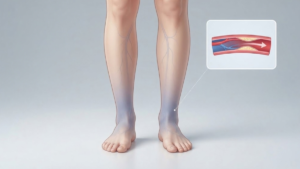
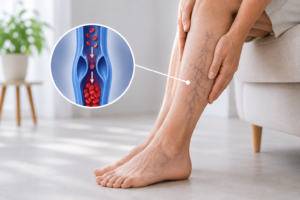
Heat causes blood vessels near the skin to widen. This is the body’s way of releasing extra warmth, and it happens automatically whenever the temperature rises. Widened vessels allow more blood to sit closer to the surface, which is part of why varicose veins appear larger and more visible in summer.
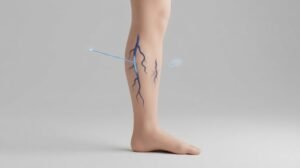
Varicose veins already carry weakened valves that struggle to move blood back toward the heart. When the veins widen further because of heat, blood has an even harder time moving upward against gravity. It pools instead, and that pooling is what produces the classic bulging, twisted appearance most people associate with varicose veins.
Cooler weather tends to reverse this pattern somewhat. Vessels narrow slightly, blood moves a bit more efficiently, and many patients report that their legs feel calmer once fall arrives. The seasonal shift is common enough that vein specialists expect a rise in patient visits every summer.
Common Symptoms of Varicose Veins That Worsen in Heat
Several symptoms tend to intensify once warm weather sets in. Recognizing these changes early helps patients decide when it is time to see a specialist rather than waiting out the season.
- Increased swelling around the ankles and lower legs
- A heavier or more tired feeling in the legs by evening
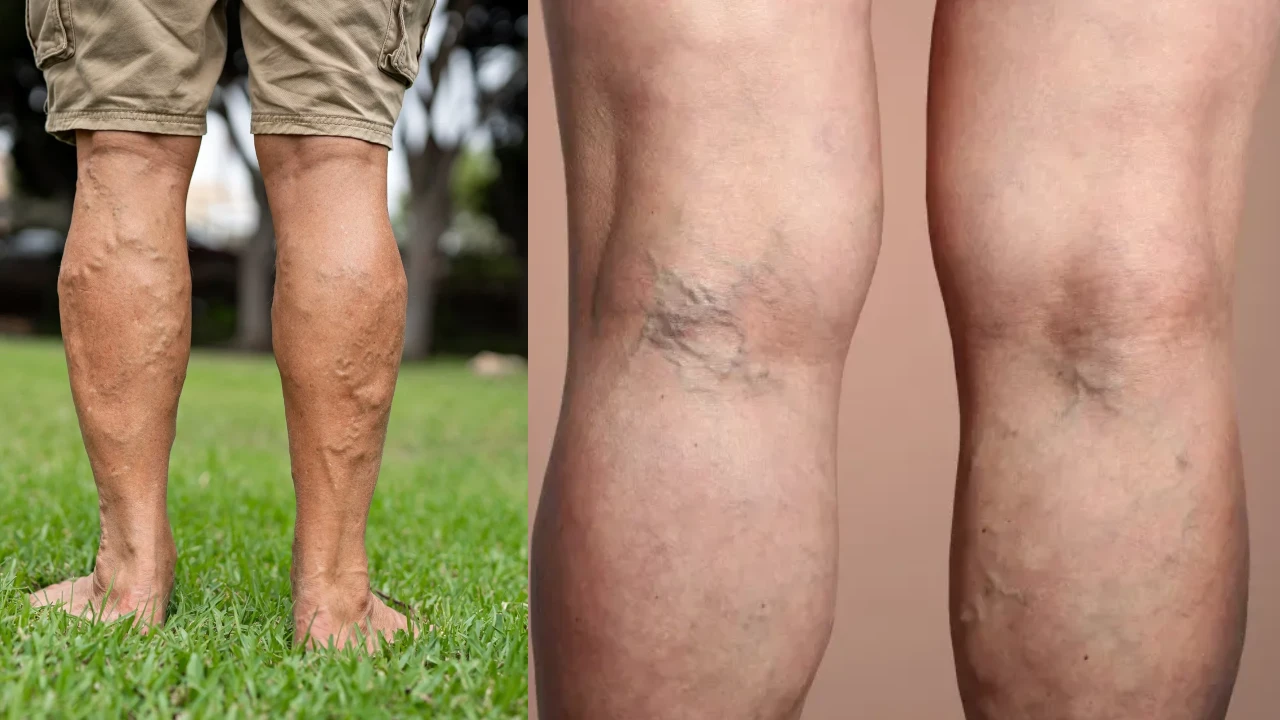
- More visible bulging or twisting of surface veins
- Mild itching or warmth over affected veins
- Throbbing or aching after standing for long periods
- Nighttime leg cramps that feel stronger after a hot day
These symptoms usually reflect a condition that was already present before summer began. The heat does not create varicose veins out of nowhere. It simply makes an existing problem harder to ignore, which is often what finally prompts someone to schedule an appointment.
Spider Veins Versus Varicose Veins in Summer
Many patients use the terms spider veins and varicose veins interchangeably, but they describe different things. Spider veins are small, thin, and often red or blue in color. They sit close to the skin surface and rarely cause physical discomfort. Varicose veins are larger, raised, and frequently linked to aching, swelling, and a feeling of heaviness.
Summer affects both, though not equally. Spider veins may simply become more visible because sun exposure can make surrounding skin tone changes more noticeable, and shorts or skirts reveal them more often. Varicose veins, on the other hand, tend to become physically worse, not just more visible, because heat directly affects blood flow and vein wall behavior.
This distinction matters for treatment. Spider veins are often addressed for cosmetic reasons, while varicose veins usually point to an underlying circulation problem that benefits from a medical evaluation, especially if symptoms increase every summer.
Activities That Make Summer Symptoms Worse
Certain common summer habits can intensify varicose vein symptoms without anyone realizing it. Long stretches of standing at outdoor events, barbecues, or amusement parks keep blood pooling in the lower legs for hours at a time. Hot tubs, saunas, and long baths add to vessel widening on top of the heat already present outdoors.
Air travel during peak summer vacation season introduces another factor, since sitting for extended periods slows circulation regardless of outside temperature. Alcohol, which tends to appear more often at summer gatherings, also causes blood vessels to relax and widen. None of these activities need to be avoided completely, but people with varicose veins benefit from noticing how their legs respond afterward.
How to Manage Varicose Vein Symptoms During Summer
A few practical adjustments can ease discomfort without requiring major changes to daily routine.
- Wear compression stockings during outdoor activities or long periods of standing
- Elevate the legs above heart level for fifteen to twenty minutes each evening
- Spend peak afternoon heat in air conditioned spaces when possible
- Take short walking breaks every thirty minutes during long periods of standing
- Choose cool showers instead of hot baths when legs feel heavy
- Stay hydrated, since dehydration can thicken blood and slow circulation
These steps will not remove varicose veins, since the underlying vein damage stays in place. Still, many patients find real relief in symptoms once they adjust a few daily habits during the hottest months.
When Summer Symptoms Point to Something More Serious
Mild swelling after a hot day is common and usually nothing urgent. Certain symptoms, however, deserve prompt attention no matter the season. Sudden swelling in only one leg, skin that turns warm and red along a vein, or pain that does not ease with rest can signal a blood clot rather than typical varicose vein discomfort.
Patients should also pay attention if symptoms that once responded to compression stockings and leg elevation stop improving. This often means the underlying vein problem has progressed. Skin discoloration near the ankle, a sore that will not heal, or a vein that becomes tender to the touch are additional signs that call for a visit to a vascular specialist instead of waiting for cooler weather.
Who Notices Summer Changes Most
Not every patient with varicose veins experiences the same seasonal shift. People who stand for most of the workday, including retail employees, teachers, and healthcare staff, often report the sharpest difference between winter and summer symptoms. Standing in heat for many hours gives blood more time to pool in the lower legs.
Pregnant patients frequently notice stronger seasonal changes as well, since hormonal shifts already relax vein walls during pregnancy and heat adds to that effect. Older adults, especially those with a family history of vein problems, sometimes notice varicose veins becoming bothersome for the first time once summer temperatures climb.
Extra body weight can also play a role, since added pressure on leg veins becomes more noticeable when heat is already working against normal blood flow. Anyone in these groups benefits from tracking their symptoms closely each summer, since early attention often leads to simpler and less invasive treatment.
Long-Term Care for Varicose Veins
Because varicose veins result from a chronic issue with vein valves, seasonal changes are likely to continue year after year unless the underlying problem is treated directly. Compression therapy, regular movement, and a healthy body weight all help manage symptoms, but they work best once a proper diagnosis has been made.
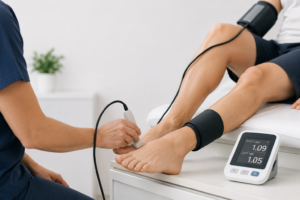
An ultrasound exam can confirm which veins are affected and how significant the damage has become. From there, treatment ranges from simple conservative measures to minimally invasive procedures that close the problem vein for good. Many patients find that once the affected vein receives proper treatment, summer no longer brings the same spike in discomfort it once did.
Everyday Habits That Support Healthier Legs in Summer
Beyond compression and elevation, a few daily habits make a noticeable difference for people managing varicose veins through warm months. Regular movement matters most. Walking for even ten minutes every hour keeps calf muscles active, and those muscles act as a natural pump that pushes blood back toward the heart.
Loose, breathable clothing also helps. Tight shorts or waistbands can restrict blood flow at the hip and thigh, adding to pressure that already builds in the lower legs during hot weather. Choosing lightweight, looser fabric allows normal circulation to continue without added resistance.
Diet plays a smaller but real role as well. A diet high in salt encourages the body to retain fluid, which can worsen visible swelling in legs already struggling with varicose veins. Reducing salt intake during summer months, when swelling tends to peak anyway, gives the legs one less factor working against them. Small changes like these rarely solve the underlying vein problem alone, but they often reduce daily discomfort enough to make the season more comfortable while a proper treatment plan is considered.
When to Schedule a Vein Evaluation
Many patients wait until symptoms become severe before scheduling an appointment, but earlier evaluation typically leads to simpler treatment. A vein specialist can determine within a single visit whether varicose veins stem from surface-level issues or from deeper venous insufficiency that requires more direct attention.
Summer is often the season when symptoms peak, which makes it a practical time to seek evaluation rather than wait through months of discomfort. Patients do not need to wait for symptoms to become unbearable, since even mild aching or visible changes are worth discussing with a specialist familiar with vein disease.
Varicose veins are not just a summer inconvenience that fades once the weather cools. They reflect an ongoing vein condition that responds to both heat and long term neglect. Patients who notice their symptoms rising every summer should view that pattern as useful medical information. The team at Vascular Care Centers evaluates seasonal changes in varicose veins regularly and can determine whether simple measures are enough or whether the affected vein needs direct treatment.