Most people with diabetes know to watch their blood sugar closely. Fewer realize that their feet deserve the same level of attention. Diabetes and PAD, short for peripheral artery disease, often develop together, and the connection between them explains why a simple yearly foot check carries far more weight than it seems. A quick exam that takes only a few minutes can catch a problem long before it becomes a medical emergency.
Understanding the Link Between Diabetes and PAD
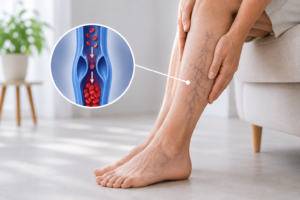
Diabetes damages blood vessels over time, and this damage extends well beyond the pancreas or blood sugar levels alone. High glucose levels gradually harm the lining of arteries throughout the body, including the smaller arteries that supply blood to the legs and feet. This process speeds up plaque buildup inside artery walls, which is the underlying mechanism behind PAD.
People with diabetes develop PAD earlier and more often than the general population. Studies consistently show that diabetes roughly doubles the risk of developing significant artery blockages in the legs. The combination becomes especially dangerous because diabetes also damages nerves in the feet, a condition called neuropathy, which reduces the ability to feel pain from a wound or injury.
This pairing creates a difficult situation. Reduced blood flow slows healing, while reduced sensation means injuries often go unnoticed until they become serious. A small cut that would heal quickly in someone without diabetes can turn into a chronic wound or infection when both PAD and neuropathy are present.
Common Symptoms of Diabetes That Signal Vascular Risk
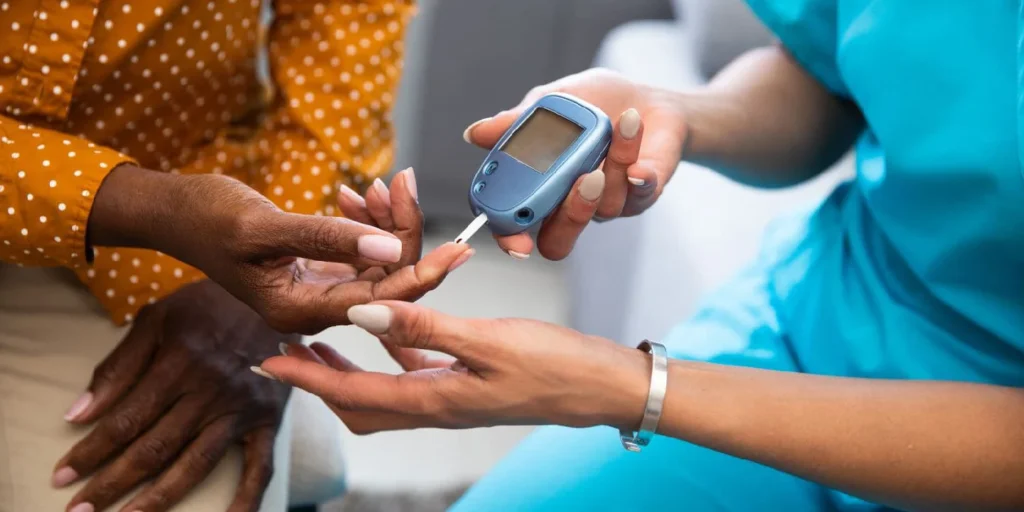
Certain symptoms of diabetes point directly toward a higher risk of developing circulation problems in the legs and feet. Recognizing these signs early helps patients understand why routine screening matters so much.
- Blood sugar levels that remain poorly controlled over months or years
- Numbness or tingling in the feet and toes
- Slow healing cuts, blisters, or sores on the lower legs
- Frequent skin infections around the feet
- A long duration of diabetes, generally over ten years
- Additional risk factors such as smoking or high blood pressure
None of these symptoms guarantee that PAD will develop, but each one raises the likelihood significantly. Patients who recognize several of these factors in their own health history benefit from discussing vascular screening with their doctor rather than waiting for foot symptoms to appear on their own.
Symptoms of PAD Specific to Diabetic Patients
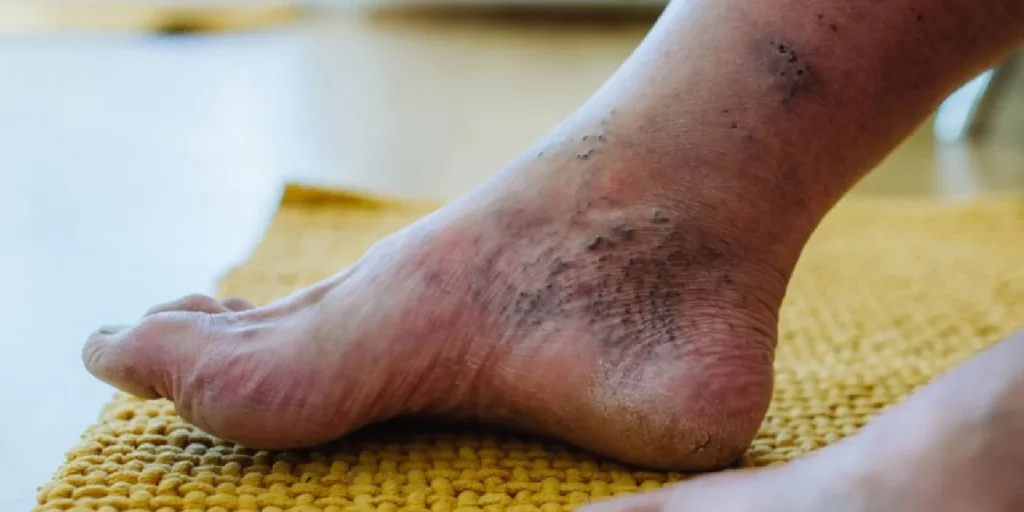
PAD in diabetic patients often looks different than PAD in people without diabetes. Classic PAD symptoms include cramping pain in the calf during walking, known as claudication, that eases with rest. Diabetic patients, however, frequently do not feel this warning sign because nerve damage blunts normal pain signals.
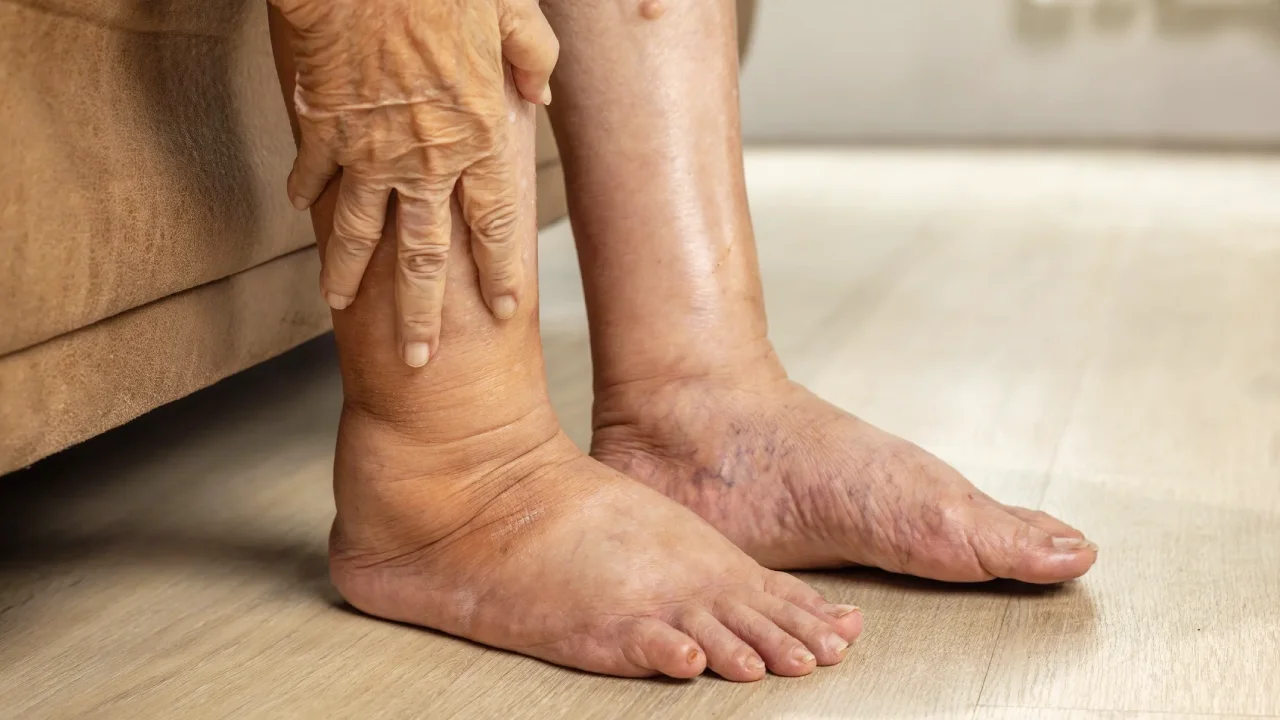
Instead, PAD may show up through changes that are easier to miss without a careful exam. Skin on the lower leg can appear shiny or unusually smooth. Hair growth on the toes and lower leg often slows or stops entirely. Toenails may grow more slowly and appear thickened. A foot that feels cooler than the other, or pulses that feel weak or absent at the ankle, are additional signs a trained examiner looks for during a foot check.
Because pain often fails to appear, these physical signs become the primary way PAD gets identified in diabetic patients before a wound develops. This is precisely why a scheduled, thorough exam matters more than waiting for symptoms that may never announce themselves clearly.
Why Neuropathy Makes PAD More Dangerous
Neuropathy and PAD frequently occur in the same patient, and together they create a much higher risk than either condition alone. Neuropathy reduces sensation, so a diabetic patient may not notice a rock in their shoe, a blister forming, or the early stages of an infection. PAD then slows the blood flow needed to heal that same injury once it does occur.
This combination explains why diabetic foot ulcers can progress quickly if left unaddressed. A wound that goes unnoticed for even a week or two, combined with reduced blood flow, gives infection more time to spread before treatment begins. Left untreated, this progression is a leading cause of diabetes related amputation, an outcome that a routine foot check is specifically designed to help prevent.

Understanding this relationship helps explain why doctors ask diabetic patients to remove their shoes and socks at every visit, not only during a designated annual foot exam. Regular visual checks catch problems between formal appointments as well.
What Happens During a Yearly Foot Check
A yearly foot check involves more than a quick glance. A trained provider examines the skin for cuts, calluses, or color changes, checks pulses at the ankle and top of the foot, and tests sensation using a simple filament tool that measures whether nerve damage has affected feeling in different areas.
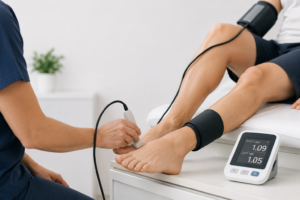
Providers also assess skin temperature, check for hair loss patterns, and look closely at toenails for thickening or fungal changes that can indicate reduced circulation. An ankle-brachial index test may be performed as well, comparing blood pressure in the ankle to blood pressure in the arm. A lower-than-normal reading suggests reduced blood flow consistent with PAD.
This exam takes only a few minutes but provides a clear picture of vascular and nerve health that a patient cannot always assess on their own, especially when neuropathy is already present and pain signals cannot be trusted.
What Diabetes and PAD Patients Can Do Between Appointments
Waiting a full year between checks is not the only line of defense. Diabetic patients benefit from inspecting their own feet daily, looking closely for cuts, redness, swelling, or areas of unusual warmth. A small hand mirror helps with checking the bottom of the foot, an area that is easy to overlook.
- Check feet daily for cuts, blisters, or color changes
- Keep blood sugar levels within the target range set by a doctor
- Avoid walking barefoot, even indoors
- Choose well-fitted shoes and check them for debris before wearing
- Moisturize dry skin, but avoid the space between the toes
- Report any wound that has not improved within a few days
These habits do not replace professional screening, but they add an extra layer of protection between formal exams. Patients managing both diabetes and known PAD risk factors benefit most from combining daily self-checks with a consistent yearly visit.
Taking the Yearly Foot Check Seriously
A yearly foot check can feel routine, almost easy to skip when nothing seems wrong. For patients with diabetes, however, this exam often catches the earliest signs of PAD long before pain or visible wounds appear. Given how often nerve damage masks the classic warning signs of reduced circulation, a scheduled professional exam becomes one of the few reliable ways to catch trouble early.
The relationship between diabetes and PAD is well understood in vascular medicine, and the tools to screen for it are simple, painless, and quick. The team at Vascular Care Centers works closely with diabetic patients to assess circulation risk during these exams, helping catch PAD early enough that treatment stays straightforward rather than urgent.