Most people expect a vein problem to look like a bulging vein. Chronic venous insufficiency does not always work that way. CVI Symptoms are often things you feel rather than things you see, and many patients live with them for years before anyone connects the dots.
CVI develops when the valves inside your leg veins stop closing properly. Blood pools in the lower leg, and pressure builds inside the vein. That pressure produces a predictable set of symptoms. This guide walks through the ten most common ones, shows how they change as the condition advances, and explains which signs need care right away.
What CVI Feels Like Day to Day
Ask patients to describe CVI and most use the same words. The legs feel heavy. They feel tired in a way that rest does not quite fix. Socks leave a deep mark by dinner time.
The pattern matters as much as the symptom itself. Vein problems follow gravity, so discomfort builds through the day and settles overnight. Standing still makes everything worse. Walking, elevation, and cool weather bring relief.
Symptoms also come and go early on. A busy week on your feet triggers swelling, then a quiet weekend clears it. That flicker fools people into thinking nothing is wrong. In reality, the pressure inside the vein stays high the whole time.
The 10 Most Common Symptoms of Chronic Venous Insufficiency
These symptoms appear in a rough order, though not everyone follows the same path. Some patients skip stages, and others show skin damage with almost no pain.
1. Heavy, Aching Legs
Heaviness is usually the first complaint. Patients describe a dull ache in the calf, a dragging feeling, or legs that seem full. The sensation comes from blood pooling below the failed valves and from inflammation in the vein wall. Timing is the clue. The ache builds after long periods of standing or sitting, and it eases once you raise your legs.
2. Swelling in the Ankles and Lower Legs
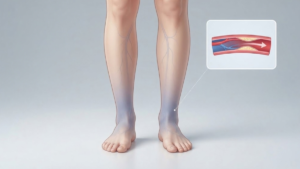
Swelling starts at the inner ankle, where vein pressure peaks. Press a thumb into the skin and it often leaves a dent that fills back slowly. Doctors call that pitting edema. At first the swelling clears overnight. As the condition advances, it lingers into the morning and creeps up the calf. Shoes and socks that once fit begin to feel tight.
3. Leg Pain That Improves When You Elevate
This single detail separates vein pain from artery pain. Raising the legs above heart level drains the pooled blood and lowers the pressure, so relief arrives within minutes. Artery problems behave the opposite way. Patients with poor arterial flow feel worse when the leg is raised and better when it hangs down. Tell your physician which direction helps you.
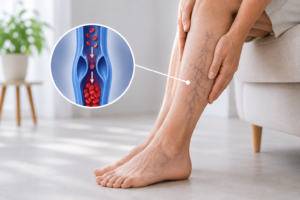
4. Visible Varicose or Spider Veins
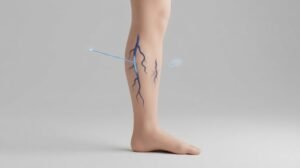
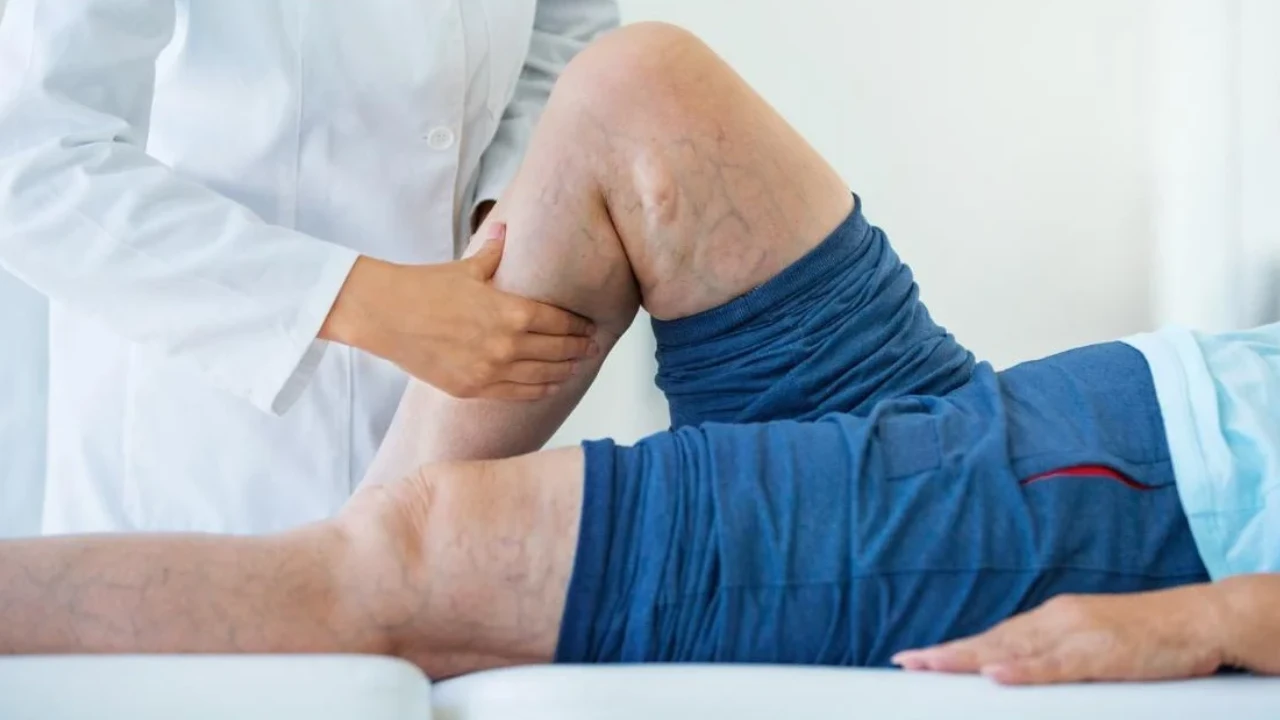
Spider veins are fine red or blue lines just under the surface. Reticular veins sit a little deeper and look flat and bluish. Varicose veins are the thick, ropey vessels that bulge above the skin when you stand. Visible veins confirm that pressure is high, yet their size does not predict severity. Plenty of patients have serious reflux with almost nothing showing on the surface.
5. Itching and Dry, Flaking Skin
High pressure pushes fluid and inflammatory cells into the skin around the ankle. The skin turns dry, scaly, and intensely itchy, a pattern known as venous eczema or stasis dermatitis. Scratching is the real danger here. Broken skin over a congested leg heals poorly and opens the door to infection, so treat itching as a warning rather than a nuisance.
6. Brown or Reddish Skin Discoloration
Red blood cells leak through stretched capillary walls and break down in the tissue. The iron they release stains the skin a rusty brown, usually in a band above the ankle. Doctors call this hemosiderin staining. It marks a shift from reversible congestion to lasting tissue damage. The color rarely fades completely, even after successful treatment.
7. Night Cramps and Restless Legs
Many patients wake to a sharp calf cramp or a strong urge to move their legs. Fluid shifts out of the legs once you lie flat, and the change in pressure appears to irritate nerves and muscle. Restless legs have several possible causes, including iron deficiency and medication effects. When the symptom sits alongside swelling and heaviness, vein disease deserves a look.
8. Tightening or Hardening of the Skin
Long standing inflammation replaces soft tissue with fibrous scar. The skin above the ankle feels firm, thick, and bound down, and the ankle itself narrows while the calf stays full. Clinicians describe that shape as an inverted champagne bottle. The medical term is lipodermatosclerosis. It often aches, and it signals that an ulcer may not be far behind.
9. Slow-Healing Sores Near the Ankle
A venous ulcer is the most advanced sign. It typically forms just above the inner ankle, looks shallow with irregular edges, and weeps clear fluid. Pain is often milder than the wound appears. Any sore on the lower leg that fails to close within two weeks needs professional assessment. Venous ulcers heal slowly, and they return unless the underlying reflux is corrected.
10. Numbness or Tingling in the Lower Leg
Persistent swelling raises pressure around the small nerves in the calf and ankle, which can cause tingling, burning, or patchy numbness across the lower leg. This symptom is less specific than the others. Diabetes, spinal problems, and nerve compression all produce similar sensations, so numbness always deserves a broader evaluation rather than a vein diagnosis alone.
Early vs. Advanced CVI Symptoms
Early CVI is mostly a matter of sensation. Heaviness, aching, evening swelling, night cramps, and visible veins all fall into this group. The skin still looks normal, and rest reverses the symptoms overnight.
Advanced CVI shows on the skin. Brown staining, eczema, hardening, and open sores mean the tissue has already been damaged by years of high pressure. Swelling no longer clears with rest.
The dividing line matters clinically. Early symptoms respond well to compression, movement, and simple procedures. Advanced changes improve with treatment, yet they rarely disappear, so the goal shifts toward stopping further damage.
Why Symptoms Get Worse Later in the Day
Gravity explains the pattern. When you stand, the column of blood between your heart and your ankle presses down on the vein walls. Healthy valves break that column into short segments. Failed valves let it act as one long weight.
Pressure therefore climbs the longer you stay upright. Fluid seeps into the tissue hour by hour, so the leg measures largest in the evening.
Lying down removes gravity from the equation. Overnight, the excess fluid returns to the circulation and leaves through the kidneys, which is why many patients wake needing the bathroom and find their legs slimmer by morning.
Symptoms That Overlap With Other Conditions
Leg swelling has many causes, and several look similar at first glance. These comparisons help narrow the field.
CVI vs. Peripheral Artery Disease
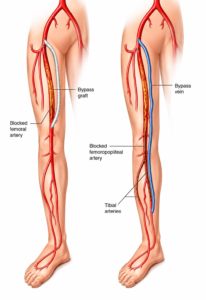
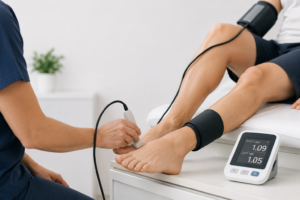
Artery disease starves the leg of blood rather than trapping it. Pain comes on during walking and stops with rest, the foot feels cool, pulses are weak, and the skin looks shiny with less hair. Ulcers form on the toes or pressure points and hurt a great deal. A simple ankle pressure test tells the two apart.
CVI vs. Lymphedema
Lymphedema involves the lymph system, not the veins. Swelling includes the foot and the toes, while vein swelling usually spares them. The tissue feels firm rather than soft, and you cannot pinch a fold of skin at the base of the second toe. Lymphedema also fails to clear overnight.
CVI vs. Heart-Related Swelling
Heart, kidney, and liver problems cause swelling on both sides at once, and the two legs look nearly identical. Watch for extra clues such as breathlessness, trouble lying flat, or rapid weight gain over a few days. Those signs point to a systemic cause and need prompt medical review.
CVI vs. Deep Vein Thrombosis
A deep vein clot arrives suddenly. One leg swells over hours or days, feels warm and tender, and may look red. CVI builds across years and improves with elevation. Sudden painful swelling in one leg is a medical emergency, since a clot can travel to the lungs.
CVI Symptoms in One Leg vs. Both Legs
CVI usually affects both legs, though rarely to the same degree. One side often runs ahead of the other, and patients notice the difference in shoe fit before anything else.
Symptoms confined to a single leg change the picture. That pattern suggests an obstruction rather than simple valve failure. Common causes include a previous deep vein clot and compression of the pelvic vein where an artery crosses over it.
Left sided swelling is especially suggestive, since the left pelvic vein sits in the tightest spot. If only one leg swells, or if varicose veins keep returning on one side after treatment, ask whether imaging should extend above the groin.
Which CVI Symptoms Need Urgent Care
Most vein symptoms can wait for a scheduled appointment. A few cannot. Seek emergency care for sudden painful swelling in one leg, especially with warmth or redness, since this may be a deep vein clot. Chest pain or shortness of breath alongside leg swelling needs immediate attention, because a clot may have reached the lungs.
Bleeding from a varicose vein also counts as urgent. Lie down, raise the leg, and press firmly on the spot until help arrives. Finally, spreading redness, fever, or pus around an ankle sore suggests infection and needs same day treatment.
What to Do If You Recognize These Symptoms
Start by tracking what you feel. Note when symptoms peak, measure both calves at the same point, and photograph any skin changes. This record speeds up your first appointment considerably.
Simple measures help while you wait. Wear graduated compression stockings, walk daily to activate the calf pump, raise your legs above heart level for fifteen minutes a few times a day, and moisturize dry skin to prevent cracking.
Then get the veins assessed properly. A venous duplex ultrasound measures blood flow and shows exactly which valves are failing, and the exam takes place while you stand so nothing hides. The team at Vascular Care Centers evaluates these symptoms in a single visit, and early treatment protects your skin long before an ulcer becomes a risk.