If your legs ache, swell, or feel heavy by the end of the day, your veins may be the cause. Vein disease is very common, especially as people age. One of the simplest and most trusted treatments is also one of the oldest: compression stockings.
Doctors have recommended compression stockings for vein disease for many decades. These snug, stretchy garments help blood move up and out of the legs. This guide explains how they work, who benefits, how to choose the right pair, and how to wear them safely.
How Vein Disease Affects Your Legs
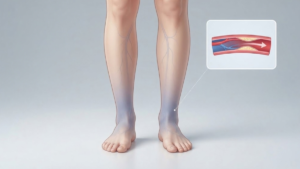
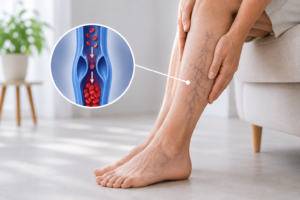
Your leg veins carry blood back up to your heart. Tiny one way valves inside the veins keep blood from flowing backward. When these valves weaken, blood pools in the lower legs. Doctors call this chronic venous insufficiency.
Pooled blood raises pressure inside the veins. Over time, this pressure can lead to:
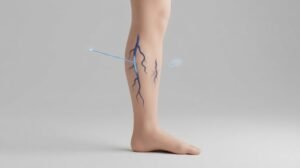
- Varicose veins that look twisted or bulging
- Spider veins close to the skin surface
- Swelling in the ankles and lower legs
- Aching, heaviness, cramping, or itching
- Dark, thick, or hard skin near the ankles
- Open sores, called venous leg ulcers
Risk factors include age, family history, pregnancy, obesity, and jobs that require long periods of standing or sitting. A past blood clot in a leg vein also raises your risk.
How Compression Stockings Work
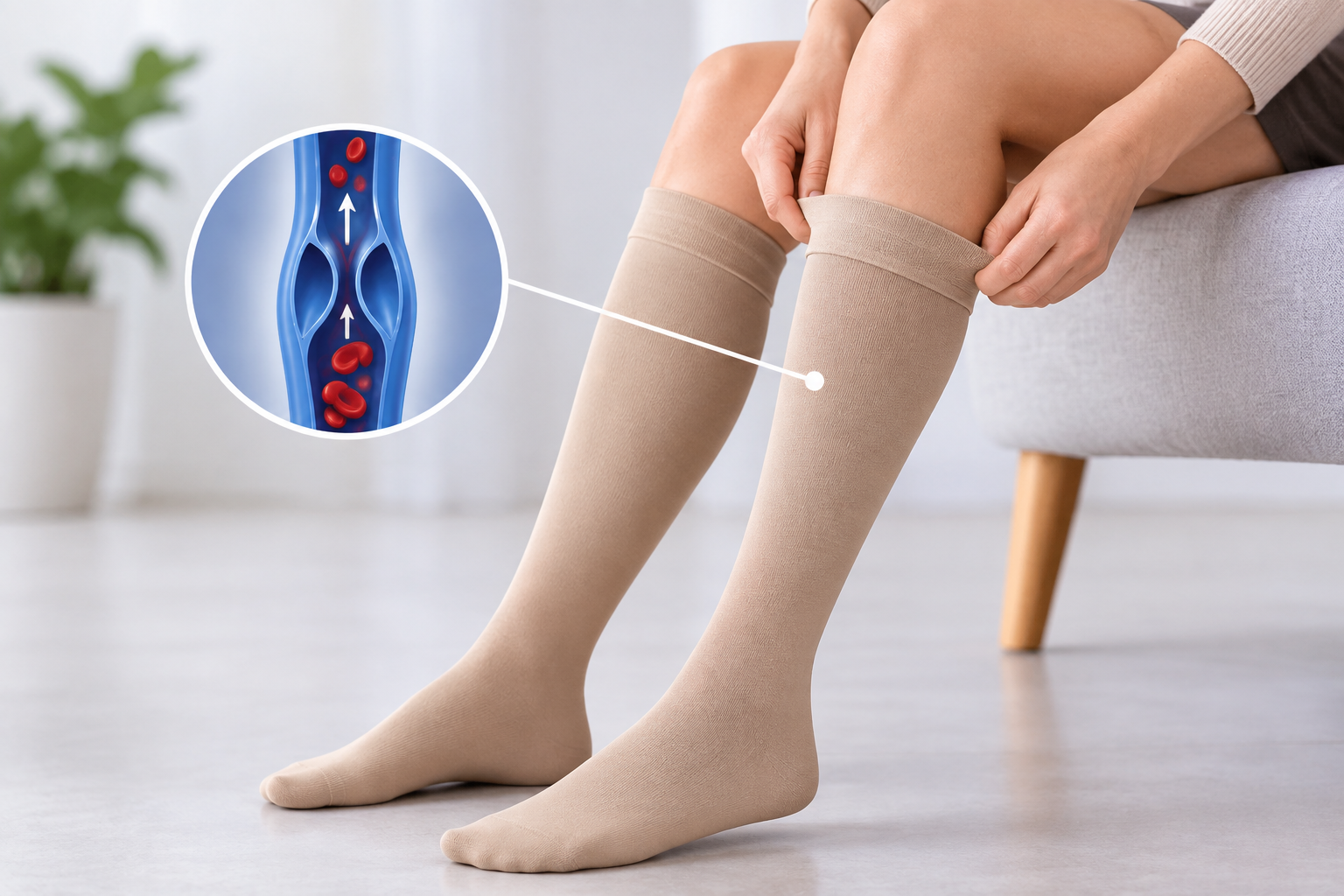
Compression stockings apply steady pressure to your legs. Most medical stockings use graduated compression. This means the pressure is strongest at the ankle and gradually lighter toward the knee or thigh.
This design helps in several ways. First, it squeezes the surface veins and helps the valves close better. Second, it supports your calf muscles as they pump blood upward. Third, it reduces fluid leaking into the tissues, which lowers swelling. Together, these effects improve blood flow and ease many common symptoms.
Keep in mind that compression stockings manage symptoms. They do not repair damaged valves or remove varicose veins. Leg elevation and regular walking add to the benefit.
Who Benefits From Compression Stockings for Vein Disease
Your doctor may recommend compression stockings for vein disease if you have:
- Leg swelling from chronic venous insufficiency
- Aching or heavy legs from varicose veins
- A healed or active venous leg ulcer
- Symptoms after a past deep vein thrombosis (DVT)
- Recent vein treatment, such as ablation or sclerotherapy
- Long hours of standing or sitting at work
Strong evidence supports compression for venous leg ulcers. It helps ulcers heal faster and lowers the chance that they return. People who travel on long flights may also benefit, especially if they have extra risk factors for blood clots.
Compression Levels Explained
Doctors measure compression in millimeters of mercury (mmHg). A higher number means firmer pressure. Common levels in the United States include:
- 15 to 20 mmHg: Mild compression. It helps with tired legs, mild swelling, and travel. You can usually buy these stockings without a prescription.
- 20 to 30 mmHg: Moderate compression. Doctors often suggest this level for varicose veins, moderate swelling, and after vein procedures.
- 30 to 40 mmHg: Firm compression. This level treats more severe swelling, skin changes, and venous ulcers.
- 40 to 50 mmHg: Extra firm compression. Doctors reserve this level for severe cases and fit it with care.
Always ask your doctor which level you need. Stronger is not always better, and the wrong level may cause discomfort or harm.
Choosing the Right Style and Fit
Style Options
Compression stockings come in several lengths:
- Knee high: The most common style. Many people find it the easiest to wear and put on.
- Thigh high: Helpful when swelling or veins extend above the knee.
- Pantyhose style: Covers both legs and the waist, which some people find more comfortable.
You can also choose open or closed toes, different fabrics, and many colors. Some brands offer styles that look like everyday socks or sheer hosiery.
Getting the Right Size
Fit matters a great deal. Stockings that are too loose will not help. Stockings that are too tight can cut into the skin or limit blood flow.
A trained fitter or clinic staff member should measure your legs. Ideally, this happens in the morning, before swelling builds. Your fitter will usually measure your ankle, calf, and leg length. People with very unusual leg shapes may need custom stockings.
Compression After Vein Procedures
Many vein specialists recommend compression stockings after ablation or sclerotherapy. The stockings press on the treated vein and may reduce bruising and soreness. Your doctor will tell you how long to wear them. Some people need them for a few days, and others need them for a few weeks. Research on the best length of time varies, so follow the plan your own doctor gives you.
Who Should Not Wear Compression Stockings
Compression stockings are safe for most people. However, some people need a doctor’s review first. Use caution or avoid them if you have:
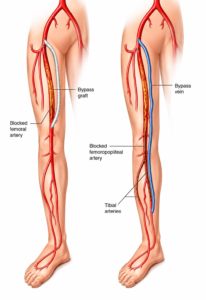
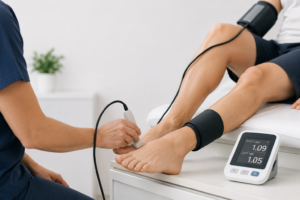
- Peripheral artery disease (PAD): Firm compression can further reduce blood flow in narrow arteries. Your doctor may check your ankle brachial index (ABI) before prescribing them.
- Severe nerve damage in the feet: You may not feel pressure injuries.
- Fragile skin or skin infections: Pressure can damage weak or broken skin.
- Severe heart failure: Moving extra fluid toward the heart can strain it.
- Allergy to the fabric: Some people react to certain materials.
This check matters most for people with diabetes, smokers, and older adults, since they have a higher chance of PAD.
How to Wear Compression Stockings Correctly
Putting Them On
Put your stockings on in the morning, soon after you get up. Your legs usually have the least swelling at that time. Try these tips:
- Turn the stocking inside out down to the heel.
- Slide your foot in and pull the heel into place.
- Roll or ease the fabric up your leg a little at a time.
- Smooth out wrinkles, since they can create pressure points.
- Never fold or roll down the top band.
Rubber gloves can give you a better grip. A stocking donning aid can also help if you have arthritis or trouble bending.
Daily Care
Wear the stockings during the day and take them off at bedtime, unless your doctor says otherwise. Wash them by hand or on a gentle cycle, then let them air dry. Heat from a dryer can damage the elastic.
Stockings lose their strength over time. Most need replacement about every three to six months. Keeping two pairs lets you rotate them while one pair dries.
Tips for Travel and Warm Weather
Long car rides and flights can make leg swelling worse. Wear your stockings for the whole trip. Stand up, stretch, and walk every hour or two if you can. Drink plenty of water.
Warm weather can make stockings feel hot. Look for thin, breathable fabrics made for summer wear. Put them on in a cool room. A donning aid can help on humid days when fabric sticks to the skin.
When to Call Your Doctor
Take off your stockings and call your doctor if you notice numbness, tingling, pain, skin color changes, or new sores. These signs may mean the fit or level is wrong.
Insurance and Cost
Coverage for compression stockings varies widely. Many insurance plans do not pay for stockings used only for varicose veins. Medicare covers compression garments for lymphedema. It also covers certain compression supplies as part of treatment for open venous ulcers.
Many insurers ask patients to try compression stockings for a period before they approve vein procedures such as ablation. Keep a record of how long you wear them and how your symptoms respond.
Frequently Asked Questions
How long should I wear compression stockings each day?
Most people wear them from morning until bedtime. Your doctor may suggest a different schedule based on your condition.
Can I sleep in compression stockings?
Most people should remove them at night. Ask your doctor before wearing them to bed.
Are store bought compression socks the same as medical stockings?
Not always. Many store brands offer mild pressure, which can help tired legs. Medical grade stockings deliver more exact, graduated pressure. For vein disease, a proper fitting and a doctor’s advice give the best results.
Can I exercise in compression stockings?
Yes, most people can. Many athletes wear compression garments for sports. Walking in your stockings is a great way to help your calf muscles pump blood.
Will compression stockings make my varicose veins go away?
No. They ease symptoms and slow skin damage, but they do not remove veins. Vein procedures can treat the veins themselves.
The Bottom Line
Compression stockings for vein disease offer a simple, low cost way to ease swelling, aching, and heaviness. They also help venous ulcers heal and support recovery after vein treatment. The right pressure level and a proper fit give you the most benefit. Talk with a vein specialist to find out whether compression stockings suit your legs and whether other treatments could help too.
This article is for general education only. It does not replace advice from your own doctor or vein specialist.
Sources
- Gloviczki P, Lawrence PF, Wasan SM, et al. The 2022 Society for Vascular Surgery, American Venous Forum, and American Vein and Lymphatic Society Clinical Practice Guidelines for the Management of Varicose Veins of the Lower Extremities. Part I. Journal of Vascular Surgery: Venous and Lymphatic Disorders. 2023.
- De Maeseneer MG, Kakkos SK, Aherne T, et al. European Society for Vascular Surgery 2022 Clinical Practice Guidelines on the Management of Chronic Venous Disease of the Lower Limbs. European Journal of Vascular and Endovascular Surgery. 2022.
- O’Donnell TF, Passman MA, Marston WA, et al. Management of Venous Leg Ulcers: Clinical Practice Guidelines of the Society for Vascular Surgery and the American Venous Forum. Journal of Vascular Surgery. 2014.
- Centers for Medicare and Medicaid Services. Lymphedema Compression Treatment Items.