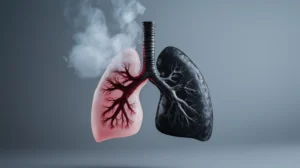
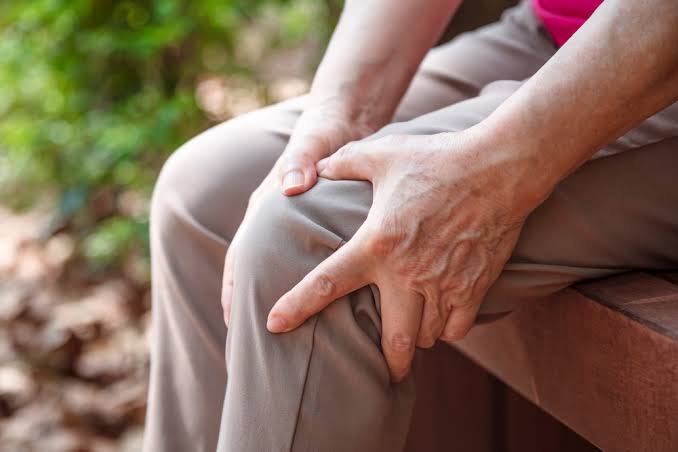
Many people notice a change in their legs once the air turns crisp. Calves feel tight on morning walks. Feet stay cold long after you come inside. Old aches seem louder in November than they did in July. These complaints are common, and sometimes they are just part of adjusting to the season. In other cases, though, cold weather leg pain points to a circulation problem that deserves a closer look.
Your blood vessels respond to temperature in predictable ways. Understanding that response can help you tell normal stiffness from a warning sign. It can also show you simple ways to keep your legs comfortable all winter.
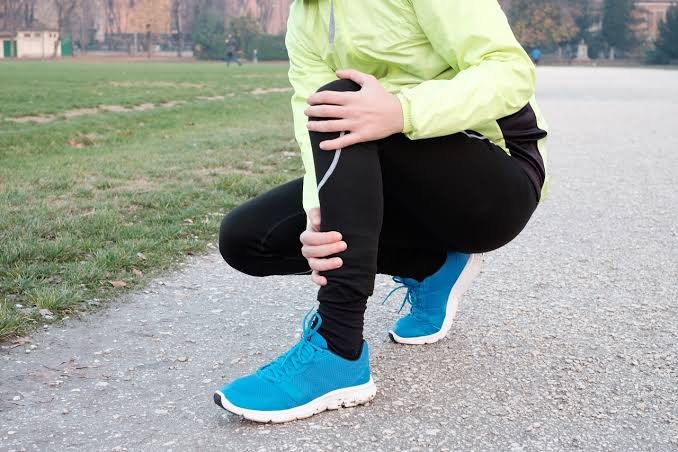
How Cold Temperatures Affect Blood Flow
When your body senses cold, it works to protect your core organs. Small arteries in the skin, hands, and feet tighten to limit heat loss. Doctors call this vasoconstriction. Less warm blood reaches the surface, so your core stays warm while your toes and fingers cool down.
For healthy arteries, this response is harmless. Blood flow returns quickly once you warm up. However, cold also makes the heart work a little harder, because it must push blood through narrower vessels. Blood pressure often rises slightly in cold weather for the same reason.
Muscles and joints react too. Cold muscles feel stiffer and less flexible, and many people move less in winter. Together, these changes can make your legs feel heavy, tight, or sore. The real question is whether the discomfort fades with warmth and movement, or whether it follows a pattern linked to blood flow.
Cold Weather and Peripheral Artery Disease
Peripheral artery disease, or PAD, develops when plaque narrows the arteries that carry blood to the legs. Narrowed arteries already limit how much oxygen reaches your muscles. When cold tightens those same vessels further, symptoms can become more noticeable.
The classic PAD symptom is claudication. This is cramping, aching, or fatigue in the calf, thigh, or buttock that starts with walking and eases with a few minutes of rest. Many people with PAD find they can walk a shorter distance before pain starts on cold days. Walking uphill or against a cold wind can make it even worse.
Cold may also make PAD signs easier to spot. One foot may feel much colder than the other. Skin on the feet may look pale or bluish. Toes may take longer to warm up after you come inside. These clues deserve attention, especially if you smoke, have diabetes, or are over 65.
What Cold Means for Vein Problems
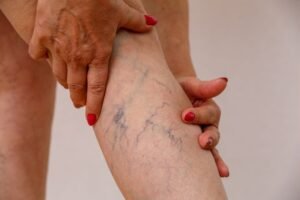
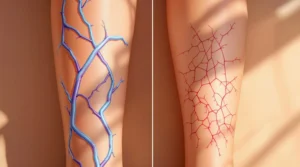
Veins respond differently from arteries. Heat tends to relax veins, which is why many people with varicose veins feel worse in summer. Cooler temperatures often ease that swelling a bit. Still, fall and winter bring their own challenges for vein health.
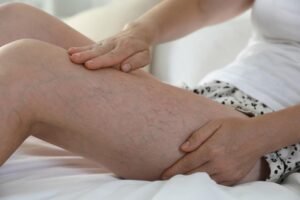
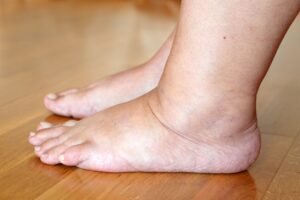
People tend to sit more when the weather turns. Long hours on the couch or at a desk weaken the calf muscle pump, which normally squeezes blood upward from the legs. When that pump slows down, blood pools in the lower legs. Aching, heaviness, and ankle swelling can follow, even in cold weather.
Hot showers, heating pads, and sitting close to a fireplace can also relax veins and increase swelling. In addition, dry winter air may irritate skin that is already sensitive from chronic venous insufficiency. So while cold itself is rarely the main issue for veins, winter habits often are.
Other Common Reasons for Cold Weather Leg Pain
Not every winter ache comes from blood vessels. Several other conditions tend to flare as temperatures drop:
- Arthritis, which can make knees and hips stiffer in cold, damp weather
- Muscle tightness, especially when you skip a warm up before exercise
- Nerve problems, such as diabetic neuropathy, which can cause burning or tingling
- Raynaud’s phenomenon, which causes toes or fingers to turn white or blue in the cold
- Spinal stenosis, which can cause leg pain with walking that eases when you sit or lean forward
Because these conditions can look alike, the pattern of your symptoms matters. Pain tied closely to walking distance points toward circulation. On the other hand, joint pain that eases as you move points more toward arthritis.
Why Cold Weather Is Harder for People With Diabetes
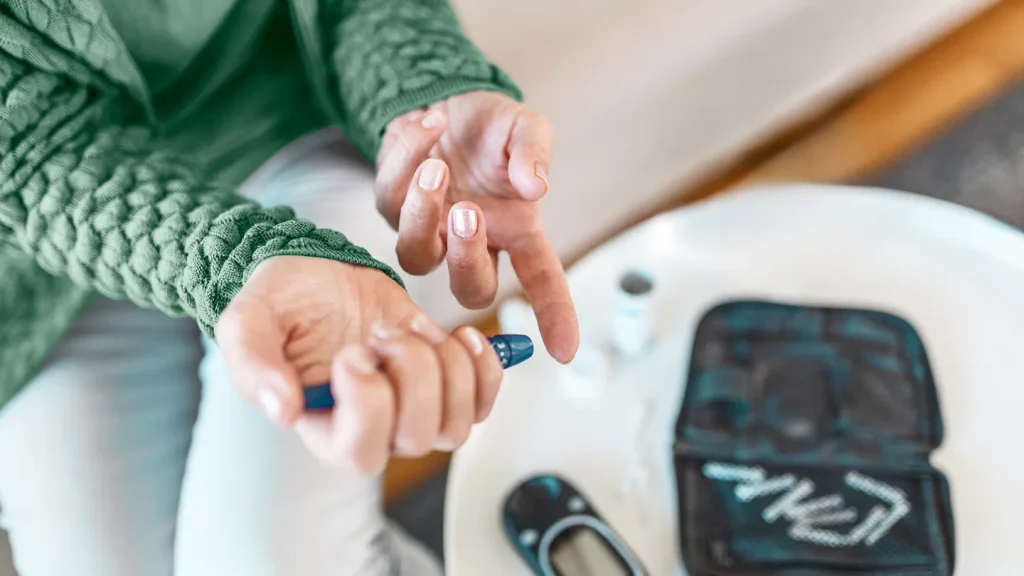
Diabetes adds another layer of risk in winter. High blood sugar can damage both nerves and blood vessels over time. Many people with diabetes have some loss of feeling in their feet. As a result, they may not notice when their feet get too cold, too hot, or injured.
Cold, dry air also cracks the skin on the heels and between the toes. A small crack can become an open sore if blood flow is poor. Because PAD is more common in people with diabetes, these sores may heal slowly. Some turn into serious wounds that need specialist care.
Daily foot checks matter most in winter. Look at the tops, bottoms, and sides of both feet each night. Use a mirror or ask a family member for help if needed. Report any redness, blister, crack, or color change to your doctor promptly. Keep your skin moisturized, but avoid lotion between the toes, where extra moisture can lead to infection.
Simple Ways to Protect Your Legs This Season
Small daily habits can keep blood moving well through the colder months.
Dress in layers. Warm socks, insulated boots, and long underwear help your body keep blood flowing to your feet. Avoid tight socks or garters that leave deep marks on your skin.
Keep moving. Take short walking breaks every hour if you sit for long periods. Indoor options like mall walking or a treadmill work well on icy days.
Warm up before exercise. A few minutes of gentle movement prepares muscles and vessels for activity.
Avoid smoking. Nicotine tightens blood vessels and speeds artery damage, which adds to the effect of cold.
Care for your feet. Check them daily if you have diabetes or PAD. Never warm numb feet with a heating pad or hot water, since reduced feeling can lead to burns.
Easy Indoor Exercise When It Is Too Cold to Walk Outside
Regular walking is one of the best things you can do for your circulation. In fact, a structured walking program is a proven treatment for PAD symptoms. Cold weather should not stop that habit. It just means moving your routine indoors.
Try these simple options on cold or icy days:
- Walk laps in a shopping mall, a large store, or a school track that opens to the public
- Use a treadmill at home or at a local gym
- March in place during television commercials
- Do heel raises while holding the back of a sturdy chair
- Climb a single flight of stairs a few times each hour
If you have PAD, walk until the leg pain becomes moderate, then rest until it fades. After that, start again. Repeating this cycle for about 30 minutes most days can slowly increase how far you walk without pain. Ask your doctor before starting a new exercise plan, especially if you have heart disease.
When Cold Weather Leg Pain Needs a Doctor
Mild stiffness that fades as you warm up is usually nothing serious. However, some symptoms suggest a circulation problem that needs a professional evaluation:
- Leg pain that starts with walking and stops with rest
- One foot that is noticeably colder or paler than the other
- Sores on the toes or feet that heal slowly
- Foot pain at night that improves when you hang your leg over the bed
- Swelling, heaviness, or skin darkening around the ankles
Seek emergency care for a leg that suddenly turns cold, pale, numb, and painful. This can signal a sudden blockage. Likewise, a leg that becomes swollen, red, and warm may point to a blood clot and also needs prompt care.
How a Vascular Specialist Finds the Cause
A vascular specialist can usually find the cause of leg pain with simple, painless tests. The ankle brachial index, or ABI, compares blood pressure in your ankle and arm to check for PAD. A duplex ultrasound shows blood flow in your arteries and veins and can reveal blockages or leaky valves.
These tests take little time and require no needles. Once the cause is clear, treatment can begin. Options range from supervised walking programs and medication to minimally invasive procedures that restore blood flow or close faulty veins.
Listen to What Your Legs Are Telling You
Cold weather leg pain is common, but it is not always harmless. If your legs ache more when the temperature drops, notice when the pain starts, what relieves it, and whether one leg feels different from the other. Those details help your doctor reach the right answer quickly.
Do not wait until winter ends to get answers. A short visit with a vascular specialist can confirm whether your symptoms come from the cold or from a circulation problem that needs care. Early action protects your mobility and keeps you active all season long.