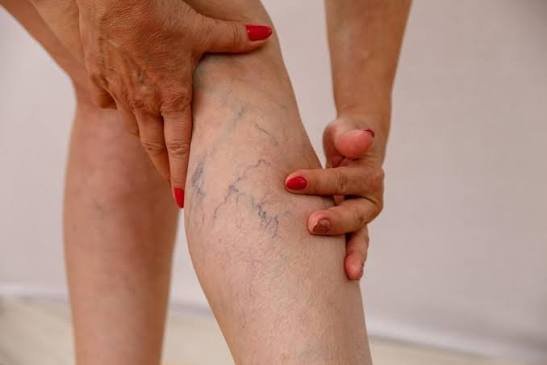
Many people put off vein care all summer. Shorts season makes it feel like the wrong time for bandages and compression stockings. Once the weather cools, though, the calendar shifts in your favor. Fall is often the best time to treat varicose veins, both for comfort during recovery and for the timing of your results. If bulging, aching veins have bothered you for months, the next few weeks offer a practical window to address them.
Varicose veins are more than a cosmetic concern for many patients. They often signal chronic venous insufficiency, a condition in which vein valves no longer keep blood moving toward the heart. Treating the problem early can ease symptoms and lower the chance of skin changes later. Here is why autumn makes so much sense for scheduling care.
What Causes Varicose Veins in the First Place
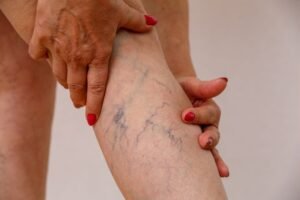
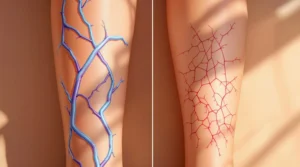
Your leg veins work against gravity all day. Small valves inside them open to let blood flow up toward the heart and close to stop it from falling back. When these valves weaken, blood pools in the lower leg. Pressure builds, and the vein walls stretch until they bulge and twist under the skin.
Doctors call this problem venous reflux. It often runs in families, and it becomes more common with age, pregnancy, extra body weight, and jobs that keep you standing or sitting for hours. Over time, the same pressure that enlarges veins can cause swelling, heaviness, itching, and night cramps.
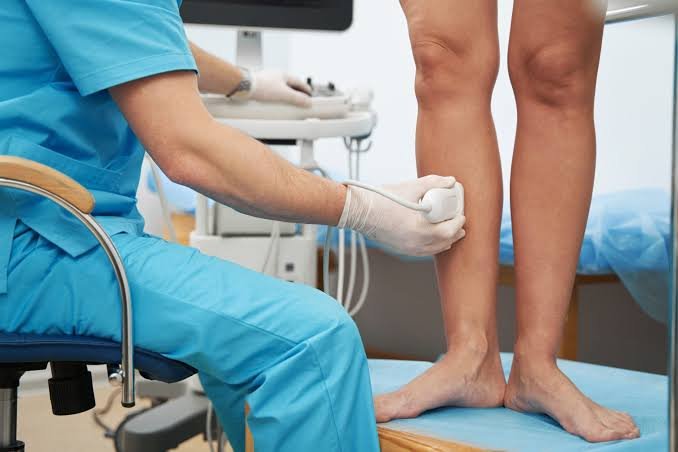
A vein specialist confirms the problem with a duplex ultrasound. This painless scan shows which veins leak and how far the reflux extends. Treatment then targets the faulty vein instead of just the visible ones on the surface.
Compression Stockings Feel Better in Cool Weather
Most vein procedures come with a short period of compression afterward. Your doctor may ask you to wear medical stockings for about one to two weeks, depending on the procedure. In July heat, that can feel sticky and miserable. In October and November, it barely registers.
Cooler temperatures make compression far easier to tolerate. You sweat less, the fabric stays drier, and your skin is less likely to get irritated. Many patients also follow their wear schedule more closely when the stockings feel comfortable. That matters, because good compression supports healing and helps reduce bruising and swelling.
Long pants and boots also hide the stockings completely. You can go to work, run errands, or attend a fall event without anyone noticing.
Recovery Is Easy to Keep Private
Bruising and mild tenderness are normal after many vein treatments. Small marks may also appear where a catheter or needle entered the skin. These signs usually fade within a few weeks. Even so, few people want to show them off at the beach or pool.
Fall wardrobes give you natural cover. Jeans, slacks, and tights keep the healing process out of sight while your body clears the treated veins. By the time spring arrives, most of that recovery is long behind you.
Sun Exposure Matters After Sclerotherapy
Sclerotherapy treats spider veins and smaller varicose veins with a medication injected directly into the vessel. The vein then collapses and fades over the following weeks. Some patients develop temporary brown staining along the treated vein, a change called hyperpigmentation.
Strong sunlight can make this staining darker or slower to fade. For that reason, doctors usually advise patients to protect treated skin from the sun for a while after the procedure. Summer makes that difficult, especially if you spend time outdoors. In fall, shorter days and covered legs make sun protection almost automatic.
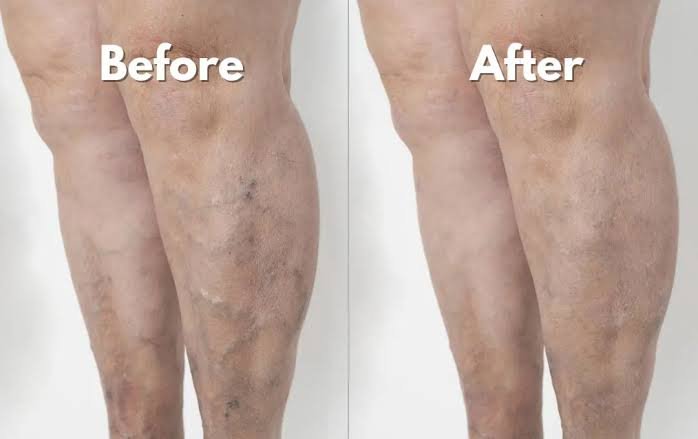
Results from sclerotherapy also take time to appear. Smaller veins may fade within several weeks, while larger ones can take a few months. Starting now gives your legs the whole winter to heal and clear.
Your Legs Will Be Ready by Summer
Timing your care around the seasons simply makes sense. Treatment in October or November gives you months for swelling to settle and veins to fade. Some people need more than one session to reach their goals, and fall leaves plenty of room for return visits.
Planning ahead also reduces stress. Waiting until May often means rushing appointments and wearing compression during the first warm weeks. Starting in fall lets you move through each step at a relaxed pace. By the time shorts season returns, your legs can look and feel noticeably better.
Year End Insurance Benefits Can Lower Your Costs
Insurance is another reason fall works well. Many patients have already met all or most of their annual deductible by October. In that case, a covered procedure may cost much less now than it would in January, when the deductible resets.
Insurance plans usually cover varicose vein treatment when it is medically necessary. That generally means you have symptoms such as pain, swelling, or skin changes, and an ultrasound confirms venous reflux. Some plans also ask you to try compression stockings for a set period first. On the other hand, purely cosmetic treatment of spider veins is usually not covered.
Because approval steps can take a few weeks, it helps to start early. Booking a consultation in October gives your care team time to complete the ultrasound, gather records, and request any approval your plan needs before December 31.
Modern Treatments Have Short Recovery Times
Today’s vein treatments are very different from the vein stripping surgeries of the past. Doctors perform most of them in an office under local anesthesia, and patients usually walk out the same day.
Common options include:
- Endovenous thermal ablation, which uses heat from a laser or radiofrequency catheter to close the faulty vein
- Medical adhesive closure, which seals the vein with a special glue
- Ultrasound guided foam sclerotherapy, which treats veins with a foam medication
- Ambulatory phlebectomy, which removes surface veins through tiny skin openings
After treatment, your blood reroutes through healthy veins. Most people return to normal activity within a day or two, although doctors often advise a short break from heavy lifting or intense exercise. Walking is encouraged, and fall weather makes daily walks far more pleasant.
Who Is a Good Fit for Fall Vein Treatment
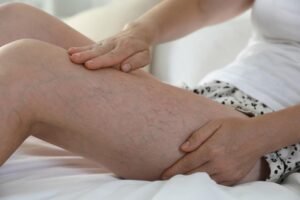
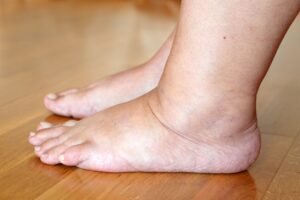
Many adults with vein symptoms can benefit from care this season. You may be a good fit if your legs ache or feel heavy at the end of the day. Ankle swelling that improves overnight is another common sign. So are veins that bulge, twist, or feel tender when you touch them.
People who have tried compression stockings without enough relief often move on to treatment next. The same is true for those whose symptoms limit work, exercise, or sleep. Skin changes near the ankles also deserve attention, since they suggest the problem has been present for a while.
Some people may need to wait. Doctors usually delay elective vein treatment during pregnancy and for a few months after delivery. A recent blood clot, an active infection, or poor circulation in the arteries may also change the plan. Your vein specialist will review your health history and choose the safest approach for you.
How to Prepare for Your Vein Consultation
A little planning makes your first visit more useful. Write down your symptoms and when they get worse. Note whether they ease when you raise your legs or wear compression. Bring a list of your medications, including blood thinners and supplements.
Your insurance card and any past ultrasound reports help too. If you have worn compression stockings, bring the details or the stockings themselves. Many insurance plans ask for proof of that trial before they approve treatment.
Wear loose, comfortable clothing so the doctor can examine your legs easily. Expect a duplex ultrasound during the visit or soon after. The scan is painless and usually takes less than an hour. Afterward, your doctor will explain what the images show and walk you through your options.
Signs It Is Time to See a Vein Specialist
Not every visible vein needs treatment. However, certain symptoms suggest an underlying problem worth checking:
- Aching, heaviness, or tiredness in the legs that worsens by evening
- Swelling around the ankles
- Itching or burning over the veins
- Brown or reddish skin changes near the ankles
- Night cramps or restless legs
- A sore near the ankle that heals slowly
Seek urgent care if one leg suddenly becomes swollen, warm, red, and painful, since this may signal a blood clot.
Make This Fall the Season You Care for Your Veins
Fall offers a rare mix of comfort, privacy, and good timing. Compression is easier to wear, recovery stays hidden, and your legs have months to heal before summer. Many patients also get better value from their insurance before the year ends.
If varicose veins cause discomfort or worry, a simple ultrasound can show what is happening beneath the skin. Talk with a vascular specialist this season, and give your legs a fresh start before the new year.