
Uterine Fibroids
Fibroids are one of the most common abnormalities that originate from unknown spots in the reproductive tract of women. Females with improper functioning of the vascular system and suffering from hypertension or cardiovascular atherosclerosis are more often reported to have one or more uterine fibroids. Uterine Fibroid Treatment can be done through modern non-surgical, minimally invasive techniques such as Uterine Fibroid Embolization (UFE) or traditional surgical methods like hysterectomy.
Uterine Fibroid Treatment - UFE
Uterine fibroid treatment performed with UFE (Uterine Fibroid Embolization) has proven to be highly effective for women with fibroids in their uterus. Some patients can manage these benign tumors with simple medication, while others may require follow-up procedures. Studies show that about 3 in 4 women achieve relief from vascular fibroids through UFE. Similarly, approximately 1 in 5 women may require a second UFE procedure for complete removal of uterine fibroids.
The advantages of the UFE procedure in vascular surgeries include a short or overnight hospital stay with minimal blood transfusion. It is less painful than hysterectomy and avoids complications related to abdominal scars from prior uterus surgeries.
Symptoms of Uterine Fibroids
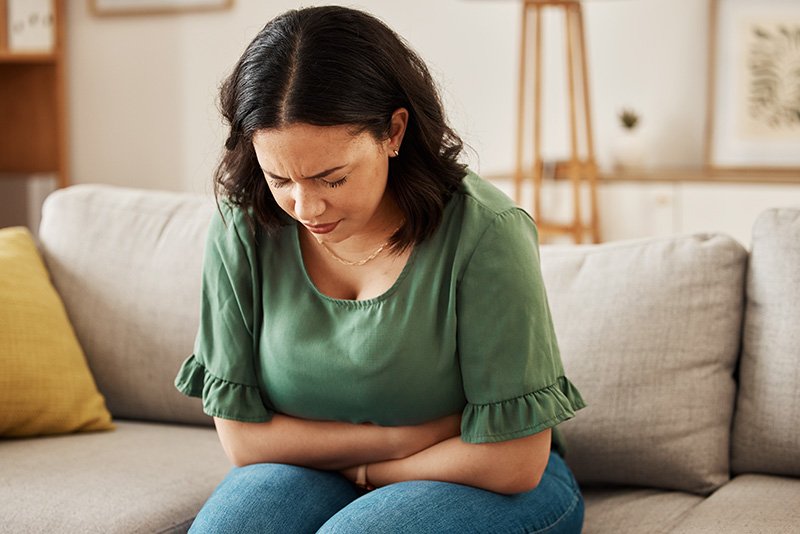
Uterine fibroids can cause a variety of symptoms depending on their size, number, and location. Many women with small fibroids may not notice any changes, but larger fibroids can lead to heavy or prolonged menstrual bleeding, pelvic pain or pressure, and a feeling of fullness or bloating in the lower abdomen. Some may also experience pain during intercourse or lower back discomfort.
Fibroids can affect nearby organs, causing frequent urination or difficulty emptying the bladder. In some cases, fibroids can contribute to fertility problems or complications during pregnancy. Early detection through regular gynecological check-ups is crucial for managing symptoms and preventing long-term complications.
Common Signs & Symptoms
- Heavy or prolonged menstrual bleeding
- Pelvic pain or pressure
- Frequent urination
- Bloating or a feeling of fullness
- Pain during intercourse
- Reproductive issues
- Lower back pain
- Fertility issues or complications during pregnancy
- Sometimes no noticeable symptoms in early stages
Uterine fibroids can cause a variety of symptoms depending on their size, number, and location. Common symptoms include heavy or prolonged menstrual bleeding, pelvic pain or pressure, bloating or a feeling of fullness in the lower abdomen, frequent urination, difficulty emptying the bladder, lower back pain, and discomfort during intercourse. In some cases, fibroids may lead to fertility problems or complications during pregnancy, while small fibroids may cause no noticeable symptoms at all.
Book a Consultation with our Vascular Surgeon in NJ
If you are experiencing symptoms or have risk factors for uterine fibroids, now is the time to take action. Our team provides comprehensive gynecological evaluation and personalized fibroid treatment plans tailored to your condition, helping manage symptoms and improve your overall reproductive health.
Types of Uterine Fibroids
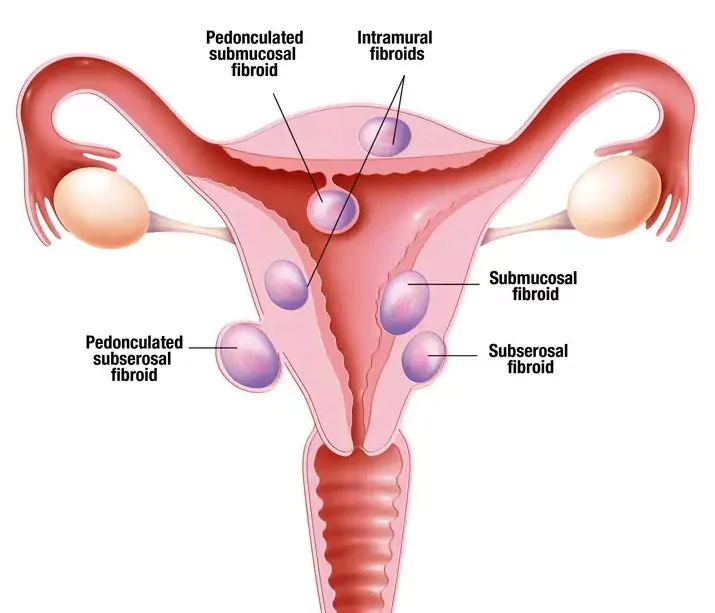
Uterine fibroids vary in size and location. They are divided into four main types:
Submucosal Fibroids
These fibroids develop in the muscle layer of the uterus, underneath the uterine inner lining, and grow into the uterine cavity.
Subserosal Fibroids
These fibroids are pedunculated, and the growths can cause uncomfortable symptoms while interfering with nearby organs.
Intramural Fibroids
The most common type of fibroids, these develop in the muscle wall. If asymptomatic, they may only require monitoring.
Pedunculated Fibroids
Unlike the other three types, these grow on stalk-like structures extending from the tissues, resembling mushrooms.
UFE - Uterine Fibroid Embolization
There are two major medical approaches for uterine fibroid treatment. One is medication, and the other is a non-pharmacological, minimally invasive procedure called uterine fibroid embolization (UFE) or uterine artery embolization (UAE).
UFE is performed by interventional radiologists experienced in treating vascular diseases. A micro-catheter is introduced into the uterine or femoral artery to inject small polyvinyl alcohol or tris-acyl gelatin particles, with the purpose of occluding blood flow to the fibroids. This minimally invasive technique effectively shrinks fibroids while preserving the uterus.
Anemia
Anemia can develop from heavy or prolonged menstrual bleeding caused by uterine fibroids. This can lead to fatigue, weakness, and shortness of breath, requiring medical evaluation and treatment to prevent further complications.
Why Vascular Care Centers?
We use advanced diagnostic imaging and minimally invasive procedures to improve blood flow whenever possible. Our focus is on preserving reproductive health, relieving pain, and ensuring long-term vascular stability.
Infertility
Infertility may occur when fibroids interfere with the uterine cavity or blood flow, making it difficult to conceive or maintain a pregnancy. Timely medical assessment is essential to manage fibroids and improve fertility outcomes.
Why Vascular Care Centers?
We employ state-of-the-art imaging and minimally invasive techniques to restore proper circulation. Our main goals are protecting reproductive health, reducing pain, and maintaining long-term vascular stability.
Insurance Coverage for Uterine Fibroid Treatment in NJ
Vascular Care Centers is dedicated to providing affordable and effective uterine fibroid treatment for women in NJ. Working with various insurance providers, our fibroid treatments are both low-cost and highly effective. Uterine fibroids can affect women’s quality of life and reproductive health, and almost all insurance providers cover treatment. We provide proper insurance guidance to ensure patients receive maximum benefits and the most effective uterine fibroid treatment in NJ.
How is Uterine Fibroids Diagnosed
Different genetic and hormonal changes in the body are believed to contribute to uterine fibroids. Potent factors that lead to the growth and development of vascular fibroids include:
Causes
Doctors may recommend simple treatments for mild symptoms, such as:
- Estrogen
- Progesterone
- Growth hormones
- Genetics
- Misplaced cells
- Early age periods
Treatment
For mild symptoms, doctors may advise:
- Regular exercise
- Maintain a Healthy Weight
- Stress Management
- Track Menstrual Cycle
- Heat Therapy
- Avoid Smoking and Limit Alcohol
Predispositions
Patients with the following risk factors may require closer monitoring:
- Age 30–50 years
- Family history of fibroids
- High estrogen or progesterone levels
- Obesity
- African-American race (higher prevalence)
- Early onset of menstruation
Uterine Fibroid Treatments
Treatments, Procedures & Testing
Managing uterine fibroids begins with a thorough gynecological evaluation and accurate diagnosis. Specialists use advanced imaging techniques, including ultrasound and MRI, to assess fibroid size, number, and location, enabling a personalized treatment plan.
Hormonal Therapy
Medications such as birth control pills or GnRH agonists help regulate menstrual cycles, reduce heavy bleeding, and shrink fibroids temporarily.
Pain Relief Medications
NSAIDs help relieve pelvic pain and cramping caused by fibroids, providing symptom control without affecting fibroid size.