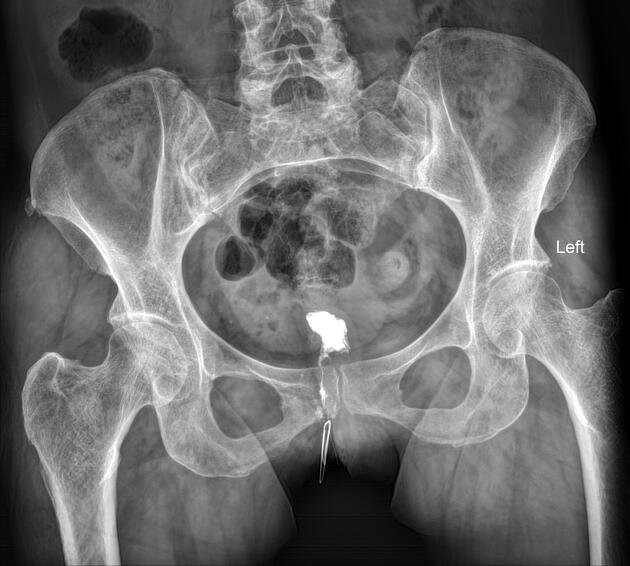
Fistulogram
A fistulogram is a diagnostic imaging procedure used to evaluate the size, shape, and pathway of a fistula. A fistula is an abnormal connection between two body parts or passageways. These commonly occur between hollow organs such as the vagina, bladder, colon, or rectum. A fistulogram helps physicians accurately identify the structure and extent of the abnormal connection for proper diagnosis and treatment planning.
How is Fistulogram taken?
A fistulogram is performed by inserting a small needle or catheter into the dialysis fistula or graft after the area is cleaned and numbed with a local anesthetic. A special contrast dye is then injected into the blood vessel, which allows the doctor to clearly see the blood flow using X-ray imaging. These images help identify any narrowing, blockage, or other issues in the dialysis access so the doctor can determine the best treatment if needed.
During the Procedure
- The medical team cleans and numbs the area around the dialysis access site to keep the procedure comfortable.
- A small needle or catheter is carefully inserted into the fistula or graft.
- A contrast dye is injected into the blood vessel so the veins and blood flow become visible on X-ray images.
- X-ray images are taken to examine the dialysis access and identify any narrowing, blockage, or other issues.
- Once the imaging is finished, the catheter is removed and gentle pressure is applied to the site to stop any bleeding.
How it feels during and after the procedure
Before a fistulogram, your doctor will review your medical history and examine your dialysis access site to check how well the blood is flowing. The area will be cleaned and numbed with a local anesthetic to keep you comfortable during the procedure. Your healthcare team will explain the process and make sure you are prepared before the imaging begins.
After the fistulogram, the catheter or needle is removed and gentle pressure is applied to the access site to prevent bleeding. Most patients can go home the same day and resume normal activities shortly after. Your healthcare team may give you simple care instructions and ask you to monitor the access site for any swelling, pain, or unusual changes.