Atherectomy
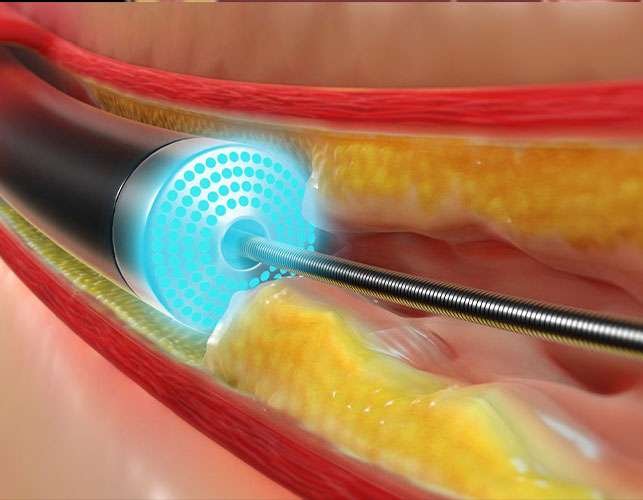
Atherectomy is a medical procedure designed to remove plaque buildup from blood vessels. Plaques are fatty deposits that can narrow arteries, increasing the risk of heart attack, stroke, and other serious complications. During atherectomy, a catheter equipped with a blade or laser is guided to the affected vessel to remove the plaque and restore healthy blood flow. This minimally invasive procedure is a highly effective option in modern vascular treatments for managing arterial blockages.
How is the Atherectomy Performed?
Atherectomy is performed under local anesthesia. Before the procedure, your physician will review your medications and advise on which anticoagulants or blood-thinning drugs may need to be stopped or adjusted. The procedure is not recommended during pregnancy, as radiation exposure can pose serious risks to the developing fetus.
During the Procedure:
- Local anesthesia is applied at the catheter insertion site (usually groin; arm or wrist can also be used).
- You remain awake during the atherectomy with proper pain management.
- The catheter is guided to the blocked artery using X-ray imaging.
- Contrast dye is injected to create angiograms and locate the plaque; mild metallic taste or headache may occur.
- Plaque is removed using a blade or laser at the catheter tip; material is collected for evaluation.
- Blood flow is restored as the plaque is cleared from the artery during the atherectomy.
- The catheter is withdrawn, and the insertion site is closed with sutures or manual pressure.
After the Procedure:
After atherectomy, rest for a few hours and avoid strenuous activities for up to seven days. Regularly monitor the insertion site. Mild bruising is common, but contact your physician immediately if you notice bleeding, swelling, or other complications.
Atherectomy is a minimally invasive technique to remove plaque and restore blood flow, usually not requiring a long hospital stay. It should be performed by a skilled vascular surgeon for optimal outcomes.
At Vascular Care Centers, we specialize in advanced atherectomy procedures to re-establish normal blood flow and provide comprehensive vascular care. If you have concerns about arterial blockages, schedule an atherectomy consultation with our experts today.