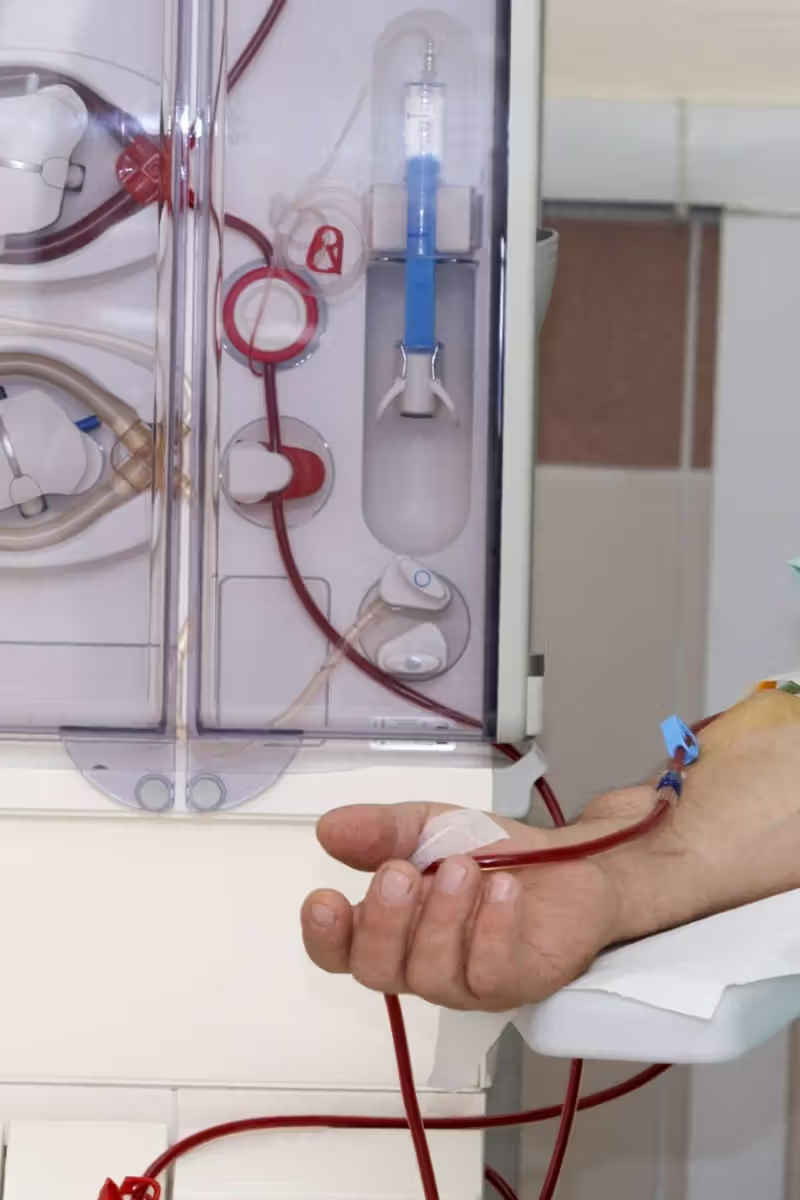
Dialysis Catheter Placement
Dialysis Catheter Placement is a specialized medical procedure where a catheter is inserted to allow blood to flow from the body to a dialysis machine, where it is filtered and cleaned of waste products. Dialysis is essential when the kidneys are no longer able to remove toxins and excess fluid effectively. A tunneled dialysis catheter provides reliable and immediate access to the bloodstream for ongoing treatment. When properly performed, dialysis catheter placement eliminates the need for repeated needle insertions during each dialysis session.
How is a Dialysis Catheter placed?
Before dialysis catheter placement, your physician will review your medical history, including any allergies and medications you are currently taking. You may be instructed to stop certain medications prior to the procedure. In some cases, an overnight fast may be required before dialysis catheter placement.
During the Procedure:
- You will lie comfortably on a procedure table.
- The area in the lower neck will be cleaned with an antiseptic solution and numbed using local anesthesia.
- A small incision is made to access the jugular vein.
- A needle is used to enter the vein, and a guidewire is advanced into a large vein called the vena cava.
- A second small incision is made in the upper chest after cleaning and applying local anesthesia.
- A tunnel is created beneath the skin between the two incisions.
- The flexible dialysis catheter is inserted through the chest incision and guided toward the neck incision.
- Using the guidewire, the catheter is positioned correctly within the vein.
- Once in place, the guidewire is removed.
- X-ray imaging is used to confirm proper catheter placement and blood flow.
- The catheter is secured with stitches, and both incision sites are carefully closed and dressed to reduce infection risk.
The entire dialysis catheter placement procedure typically takes less than one hour. Mild discomfort may occur afterward and can be managed with appropriate pain relief. It is important to keep the catheter site clean and dry. If you notice redness, swelling, or signs of infection, contact your physician promptly.
Our vascular specialists provide expert dialysis catheter placement and comprehensive vascular care. To speak with our team or schedule a consultation, contact us today for safe and effective catheter placement services.