Diseases We Treat
A Vascular Care Centers is a specialized facility that diagnoses and treats diseases of the blood vessels, including arteries and veins. It offers advanced procedures such as angioplasty, stent placement, venous ablation, and arterial duplex imaging to restore healthy blood flow and relieve symptoms.
Peripheral Artery Disease (PAD)
Peripheral Artery Disease (PAD) is a circulatory condition that reduces blood flow to the legs and lower extremities. Our clinic provides advanced and minimally invasive PAD treatment in New Jersey, focused on improving circulation, relieving pain, and preventing serious complications.
Early Signs of PAD
Peripheral Artery Disease (PAD) may begin with subtle symptoms that gradually affect daily activities. Early signs often include leg discomfort, cramping, or weakness during walking, climbing stairs, or light physical activity. Some individuals may notice that their feet or lower legs feel cooler than the rest of the body, which can be an indication of reduced blood circulation.
Peripheral Artery Disease occurs when arteries that supply blood to the limbs become narrowed or obstructed, limiting healthy blood flow. The legs are most commonly affected. When muscles do not receive enough oxygen-rich blood, they are unable to function efficiently, leading to fatigue, pain, and decreased endurance that typically improves with rest.

Venous Disease VD
Venous Disease develops when damaged vein walls and weakened valves disrupt normal blood circulation. The veins allow blood to flow backward and collect when muscles relax, which creates increased pressure inside the veins. This pressure buildup reduces proper blood return to the heart and leads to swelling, discomfort, and visible vein problems.
Early Signs of VD
Leg veins carry deoxygenated blood from the limbs back to the heart against gravity. Venous Disease can cause leg pain when superficial vein valves fail and allow blood to flow backward. Deep vein problems may also develop in the pelvis when increased pressure affects the iliac veins, slowing or blocking blood flow from the legs.
Pelvic or iliac vein compression can lead to leg pain, swelling, discoloration, ulcerations, cellulitis, infections, and blood clot formation. A blood clot may break loose and travel to the lungs, causing a pulmonary embolism (PE). Symptoms of pulmonary embolism include shortness of breath and an increased heart rate.

Uterine Fibroids
Fibroids are one of the most common abnormalities that originate from unknown spots in the reproductive tract of women. Females with improper functioning of the vascular system and suffering from hypertension or cardiovascular atherosclerosis are more often reported to have one or more uterine fibroids. Uterine Fibroid Treatment can be done through modern non-surgical, minimally invasive techniques such as Uterine Fibroid Embolization (UFE) or traditional surgical methods like hysterectomy.
Symptoms of VD
Uterine fibroids can cause a variety of symptoms depending on their size, number, and location. Many women with small fibroids may not notice any changes, but larger fibroids can lead to heavy or prolonged menstrual bleeding, pelvic pain or pressure, and a feeling of fullness or bloating in the lower abdomen. Some may also experience pain during intercourse or lower back discomfort.
Fibroids can affect nearby organs, causing frequent urination or difficulty emptying the bladder. In some cases, fibroids can contribute to fertility problems or complications during pregnancy. Early detection through regular gynecological check-ups is crucial for managing symptoms and preventing long-term complications.

Dialysis Access Procedures
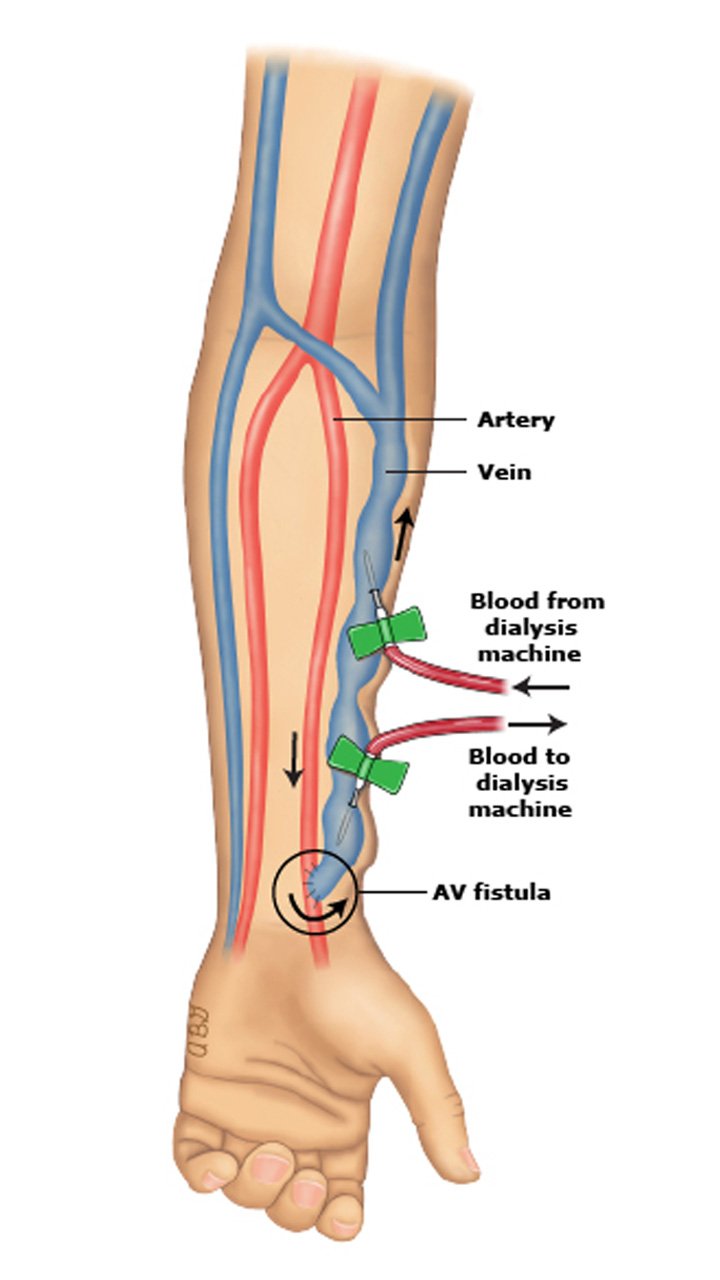
If you’ve been advised to begin hemodialysis, creating the right vascular access early can significantly improve your treatment outcomes. At our Vascular Care Centers, we provide specialized Dialysis Access Procedures, including AV fistulas, AV grafts, and tunneled dialysis catheters, to ensure safe and reliable blood flow during dialysis treatment. Early planning for dialysis access reduces complications and supports better long-term kidney care management.
Early Signs of VD
If you have advanced kidney disease, your doctor may recommend preparing for dialysis before treatment becomes urgent. Planning Dialysis Access Procedures early helps avoid emergency catheter placement and lowers the risk of serious complications.
- Muscle cramps
- Dry or itchy skin
- Trouble sleeping
- Shortness of breath
- Difficulty concentrating
- Nausea or loss of appetite
- Ongoing fatigue or weakness
- Changes in urination (too little or too much)
- Persistent swelling in your legs, ankles, or feet
These symptoms may indicate declining kidney function and the need to begin planning for hemodialysis access. Creating access early allows time for options like an AV fistula to mature properly, helping you avoid treatment delays and improving long-term dialysis outcomes.